Top 10 Benefits of Surface Mount Pick And Place Machines?
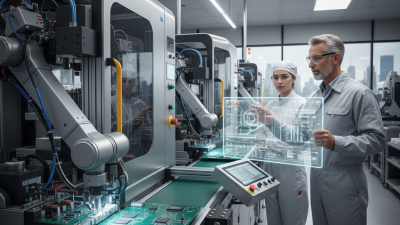
The evolution of electronics manufacturing has witnessed significant advancements, particularly with the emergence of Surface Mount Pick And Place machines. These machines have transformed production lines, offering unparalleled efficiency and precision. According to a 2022 industry report by IPC, the global market for Surface Mount Technology (SMT) equipment is projected to grow at a CAGR of 7.4% through 2026. This growth highlights the importance of adopting modern technologies in manufacturing.
Surface Mount Pick And Place machines automate the placement of components on PCBs, which dramatically reduces labor costs and minimizes human error. A report from Market Research Future indicates that automation in electronics will enhance productivity by up to 40%. However, while these machines deliver speed and accuracy, integrating them requires up-front investment and technical training, which some companies may overlook.
Moreover, companies must consider the long-term benefits against initial challenges. Reliability in production should not come at the cost of quality control. It’s vital to assess the balance between increasing output and maintaining high standards. Embracing Surface Mount Pick And Place technology offers substantial benefits, yet companies need to navigate these complexities carefully for success.
Advantages of Surface Mount Technology in PCB Assembly
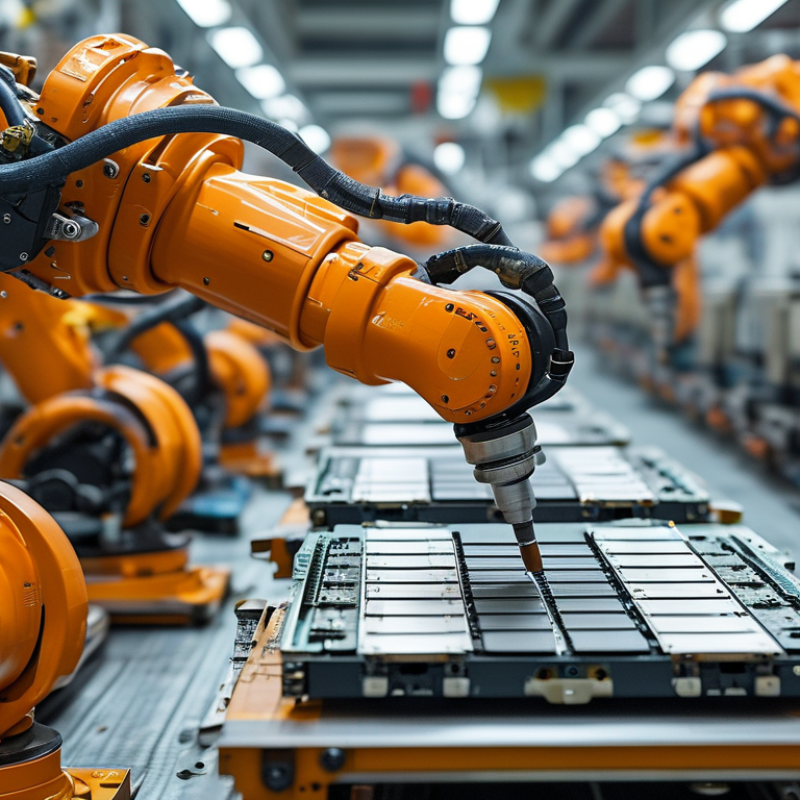
Surface mount technology (SMT) has transformed PCB assembly significantly. Its efficiency offers profound advantages for electronics manufacturing. A report by IPC shows that over 75% of new designs now utilize SMT. This highlights the technology's growing importance in various industries.
With SMT, components are mounted directly onto the PCB surface, allowing for smaller, lighter devices. This design flexibility is crucial as consumer electronics become more compact. In addition, the precision of surface mount pick and place machines maximizes placement accuracy. A study indicated that placement accuracy can reach 99.8%, reducing the chances of rework or defects.
However, SMT is not without its challenges. The complexity of the processes can lead to longer setup times. Additionally, maintaining high-quality standards requires skilled operators who understand the nuances of the technology. Despite these hurdles, the benefits often outweigh the drawbacks, pushing manufacturers to adapt and innovate continuously.
Increased Efficiency and Speed of Pick and Place Machines
The adoption of surface mount pick and place machines significantly enhances manufacturing efficiency. These machines can achieve speeds up to 20,000 components per hour, making them a vital asset in the electronics sector. A study by IPC estimated that implementing these machines can reduce assembly time by 25-50%. This remarkable speed allows companies to meet increasing demands while lowering labor costs.
Moreover, accuracy is another important aspect where these machines excel. With placement precision exceeding 0.1 mm, the risk of defects is significantly minimized. Data from the Institute of Circuit Technology shows that defects related to component placement can lead to a 30% increase in rework costs. By investing in advanced pick and place technology, manufacturers can realize significant long-term savings and improve product quality.
However, transitioning to these machines isn't without challenges. Initial setup and integration can require substantial investment and training. Reports indicate that companies may face a learning curve of up to three months before fully optimizing their new systems. This necessitates strategic planning to ensure a smooth transition and maximize return on investment over time.
Enhanced Precision and Accuracy in Component Placement
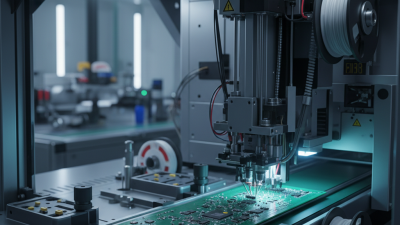
Surface mount pick and place machines have revolutionized the electronics assembly process. A key benefit is enhanced precision in component placement. These machines utilize high-resolution cameras and advanced algorithms. They can accurately position components as small as 0201. This level of precision reduces errors significantly, leading to fewer reworks. Over time, manufacturers notice improvements in yield rates.
However, it's essential to recognize the learning curve associated with these machines. Initial setup and calibration can be challenging. Staff training is crucial for maximizing accuracy. Without proper knowledge, the potential benefits may not be fully realized. Additionally, some users report occasional misalignment issues. Regular maintenance is necessary to avoid these pitfalls.
The market demands high-quality products, and precision is key. Manufacturers are increasingly relying on these machines to meet those standards. While occasional errors can occur, the overall accuracy remains impressive. Investing in surface mount pick and place technology proves beneficial for many organizations. As industry needs evolve, staying up-to-date with this technology is crucial for success.
Cost-Effectiveness of Using Surface Mount Pick and Place Machines
Surface mount pick and place machines offer substantial cost-effectiveness for manufacturers. By automating the assembly process, these machines significantly reduce labor costs. They enable faster production rates, which translates into higher output. With increased efficiency, the overall cost per unit declines. This advantage is critical for companies looking to maintain competitive pricing in the market.
In addition to labor savings, these machines minimize material waste. Precision placement of components leads to fewer errors in assembly. This accuracy decreases the likelihood of scrapping defective products, ultimately saving money. Companies can also expect reduced overhead costs due to the machine's compact design and lower energy consumption.
Tips: Consider regular training for staff to maximize machine use. Ensure maintenance is scheduled to prevent unexpected downtimes. Evaluate the setup times for different projects to streamline production further. Cost-effectiveness is not just about machinery but also about optimizing the entire process. Balancing efficiency with quality can often lead to reflections on best practices in manufacturing.
Top 10 Benefits of Surface Mount Pick and Place Machines
Versatility and Flexibility for Different PCB Designs
Surface mount pick and place machines offer remarkable versatility for various PCB designs. They adapt easily to different component sizes and shapes. This flexibility allows manufacturers to address diverse industry needs without significant equipment changes. The ability to handle both small and large components ensures a streamlined production process.
Tips: When selecting a machine, consider your specific production needs. A well-tailored system can boost both efficiency and quality. Balancing component variety with machine capabilities is vital.
These machines can also accommodate multi-layer PCBs, enhancing their adaptability. However, as they operate at high speeds, precision can be a challenge. Operators must consistently monitor settings to avoid errors. Incorrect placement may lead to costly rework and delays, highlighting the importance of regular training and maintenance.
Tips: Implement a routine check on your equipment. Small adjustments can prevent major issues later. Always remember that a reliable machine is only as effective as its operator.