Best BGA Rework Station for Global Buyers in 2026?
As the demand for reliable BGA rework stations continues to rise, the global market is projected to reach $5 billion by 2026. This growth is driven by advancements in electronics repair and assembly technology. A BGA rework station is essential for efficiently replacing or repairing Ball Grid Array components, which are widely used in modern electronics.
Recent studies highlight that approximately 40% of electronic repair technicians prioritize using high-quality rework stations. This figure underscores the importance of investing in equipment that meets industry standards. However, not all BGA rework stations deliver consistent results. It's crucial to evaluate various options, as some may lack durability or efficiency.
Choosing the right BGA rework station is complex. Factors such as temperature control, ease of use, and performance significantly impact repair outcomes. It's important for buyers to consider feedback from professionals in the field. The right choice can enhance productivity and reduce repair times, yet mistakes in selection can lead to costly setbacks.

Overview of BGA Rework Stations and Their Importance in Electronics
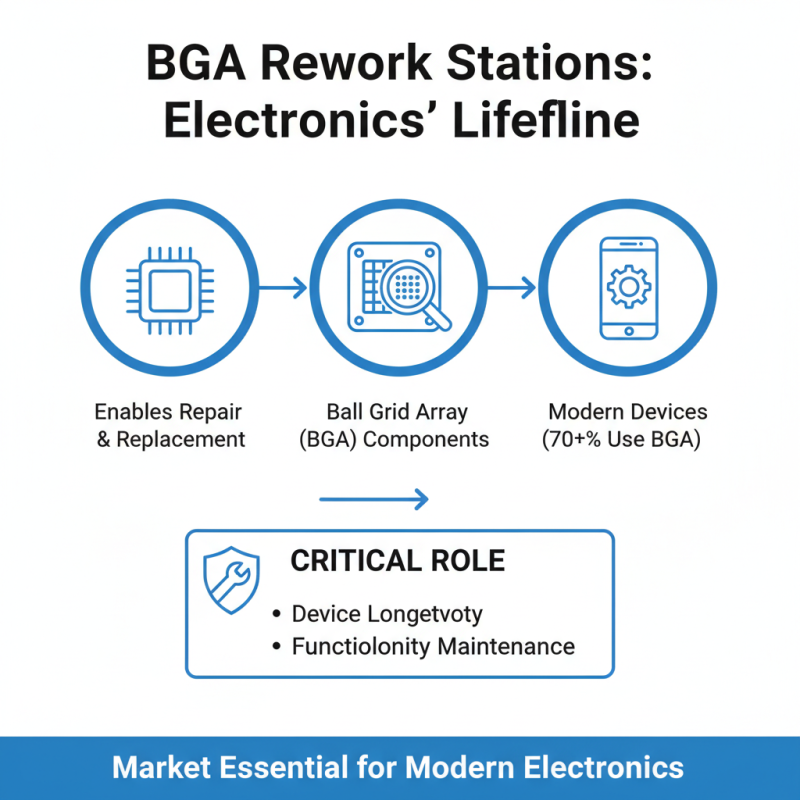
BGA rework stations play a critical role in the electronics industry. These stations enable the repair and replacement of Ball Grid Array (BGA) components, which are frequently used in modern devices. According to a recent market analysis, over 70% of electronic devices now utilize BGA packages due to their compactness and performance advantages. As such, their effective rework is vital for maintaining device longevity and functionality.
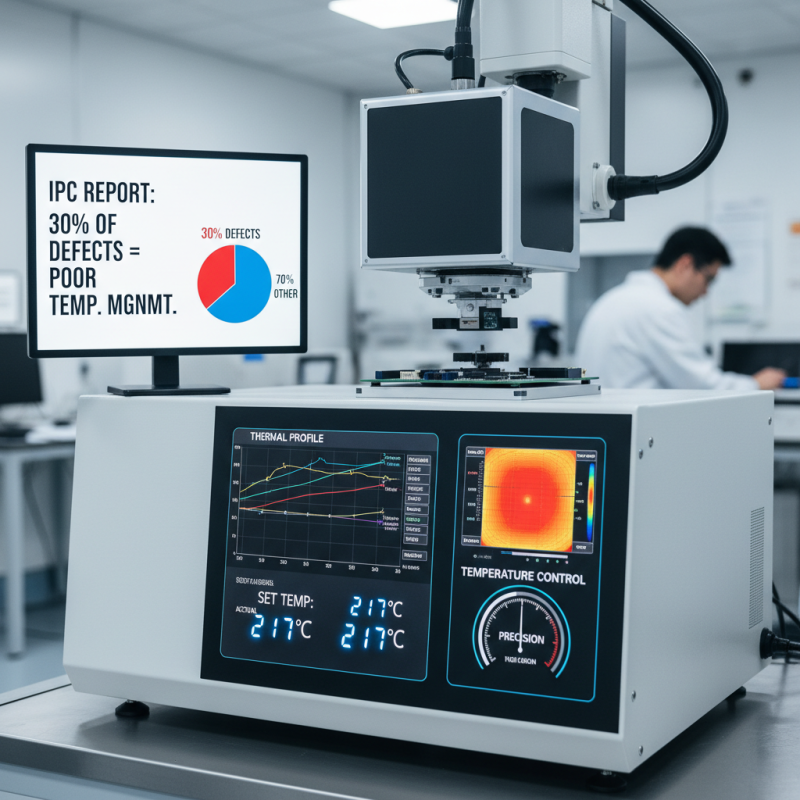
Challenges arise during BGA rework processes. Proper heating and cooling are required to avoid damaging the circuit board. A report from the Electronics Manufacturing Association highlights that incorrect rework can lead to a 30% increase in failure rates of reassembled components. This statistic underscores the need for reliable rework stations equipped with features such as precise temperature control and efficient soldering capabilities, ensuring high-quality repairs.
Moreover, technicians often face difficulties in achieving consistent results. Variability in solder paste application and environmental factors can cause inconsistency in the final product. In a survey, 58% of technicians reported dissatisfaction with their current equipment’s performance. This indicates an opportunity for improvement in rework station design, focusing on enhancing user experience while minimizing error rates.
Top BGA Rework Stations for Global Buyers in 2026: A Comparative Analysis
As we approach 2026, the demand for high-quality BGA rework stations continues to rise. These tools are crucial for efficient repairs in electronics manufacturing. Buyers should consider several important features when evaluating BGA rework stations. Precision in temperature control is key. A reliable temperature profile ensures components are not damaged during the reworking process. Additionally, a robust design can significantly extend the lifespan of the equipment.
Another important factor is the user interface. Stations with intuitive controls make the rework process smoother. Newer models may include advanced digital displays, enhancing visibility. Effective suction systems also contribute to a cleaner workspace, aiding in precise component placement. However, potential buyers should perform their own due diligence, as not all stations deliver on their promises.
Training is another element that shouldn't be overlooked. Even top-of-the-line equipment demands skilled operators. Adequate training programs may sometimes be lacking. This gap can lead to inefficiencies and mistakes during the rework process. Overall, while the market for BGA rework stations grows, buyers must remain vigilant and informed to choose tools that truly meet their needs.
Best BGA Rework Stations for Global Buyers in 2026
Factors Influencing the Market Trends for BGA Rework Stations in 2026
As the market for BGA rework stations evolves, several key factors will shape trends in 2026. Technological advancements play a pivotal role. As manufacturers innovate, the demand for sophisticated tools rises. The ability to handle complex BGAs affects the market greatly. Efficiency and precision are paramount for global buyers looking to invest.
Economic fluctuations will also influence purchasing decisions. Budget constraints may lead buyers to prioritize cost-effective solutions. Market research shows that companies often delay upgrades during economic downturns. This hesitation can create a backlog of older equipment, necessitating more frequent repairs.
Additionally, environmental considerations are becoming increasingly relevant. Many companies are now focusing on sustainable practices. This shift can shift brand loyalties. Buyers may seek stations that offer lower energy consumption and waste reduction. Addressing these factors will require ongoing education and adaptation from both producers and consumers.
Future Innovations and Technologies in BGA Rework Stations by 2026
As the demand for reliable electronics continues to rise, BGA rework stations are evolving rapidly. By 2026, we can expect to see significant innovations that directly impact efficiency and precision. Emerging technologies like advanced machine learning will enhance soldering techniques. This may result in more precise temperature control, minimizing damage during the rework process.
Manufacturers are also exploring automation. Robotic arms equipped with AI might streamline placement and soldering. This will reduce human error and improve consistency. However, the integration of such technology brings challenges. Training staff to operate new systems can be daunting. Not every technician will adapt to these changes easily.
Sustainability will shape future designs as well. Eco-friendly materials will likely become a priority. This can lead to challenges in sourcing components that meet environmental standards. The balance between innovation and sustainability is delicate. Achieving this will require collaboration among engineers, manufacturers, and environmental experts. The journey toward next-generation BGA rework stations is complex but essential.