inquiry
Leave Your Message

What is the Best Soldering Oven for Your Needs?

In the dynamic world of electronics manufacturing, selecting the right Soldering Oven is crucial for optimizing production quality. According to a report by the Electronics Industry Association, over 30% of defects in solder joints stem from improper soldering techniques. This highlights the importance of investing in a suitable soldering oven that meets specific operational needs.

Renowned soldering expert Dr. Emily Hartson once stated, “The performance of a soldering oven can make or break product reliability.” Her insights emphasize that understanding the features of various models can significantly impact results. Different ovens offer unique heating profiles and temperature controls, which are vital for different soldering tasks.

Many users overlook the need for precision when selecting a Soldering Oven, leading to inconsistent outcomes. Choosing a device that lacks essential features can lead to waste and rework. Therefore, evaluating the specifications and user requirements is essential for making an informed decision. In the end, the right machine will pay dividends in efficiency and quality.
What is the Best Soldering Oven for Your Needs?

Understanding the Basics of Soldering Ovens

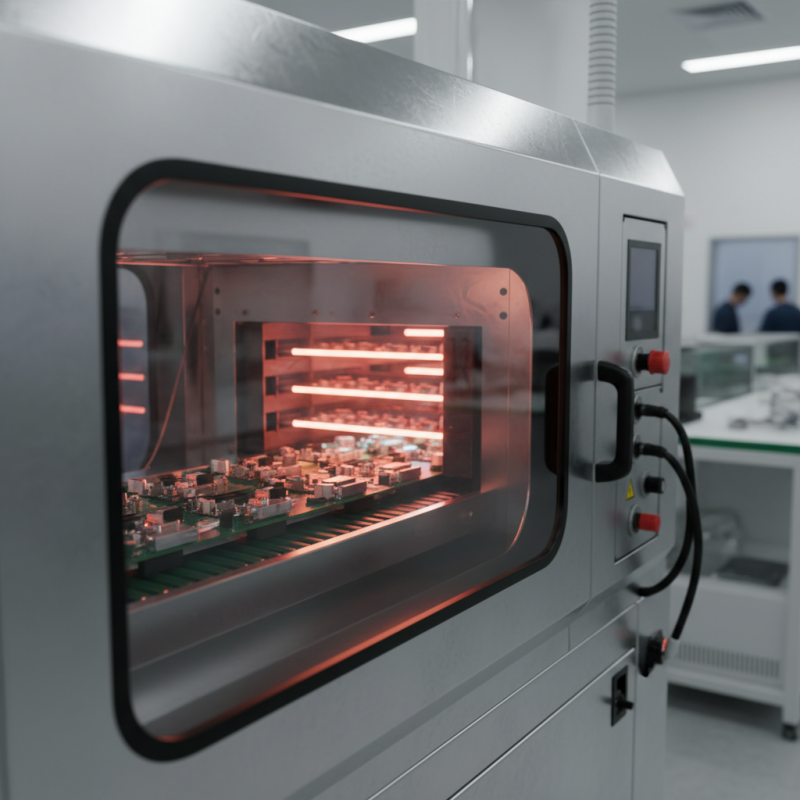
Soldering ovens play a crucial role in modern electronics manufacturing. These devices ensure precise temperature control for soldering components onto printed circuit boards (PCBs). According to industry reports, maintaining specific heat profiles is essential for optimal solder joint quality. A successful soldering process requires consistent thermal management.

Typically, soldering ovens operate by circulating hot air. This method offers uniform heating, which is vital for even solder flow. Research indicates that improper temperature control can lead to defects, such as cold solder joints or lifted pads. In fact, nearly 20% of production defects are attributed to thermal inconsistencies during soldering.

Understanding oven features is vital. Factors like temperature range, capacity, and airflow significantly impact performance. Most ovens can reach temperatures between 100°C to 250°C. Some models allow for programmable profiles, giving users more flexibility. However, not all models provide sufficient temperature accuracy. Inadequate calibration can lead to production setbacks. Balancing cost and functionality remains a challenge for many users.
Key Features to Consider When Choosing a Soldering Oven

When choosing a soldering oven, several key features stand out. Temperature accuracy is crucial. A reliable oven should maintain precise temperatures within ±2°C. This ensures uniform heating and prevents damage to components. Many industry reports suggest that consistent temperature control leads to better solder joint reliability.

Another important feature is the programmable settings. An oven with multiple profiles allows for specific heating cycles tailored to different boards. For example, a typical profile may include a ramp-up phase, soak phase, and cool-down phase. Users can save time and reduce errors with saved profiles.

Tips: Look for an oven with a clear digital display. It helps monitor settings easily. Also, consider the size. Ensure it fits your workspace and can accommodate your projects.

Lastly, airflow design matters. Proper airflow promotes even heating. Some ovens have adjustable fans for better control. However, not every design provides optimal results. While many ovens claim to offer efficiency, users may find that real-world performance varies.

Types of Soldering Ovens: A Comparative Analysis

When it comes to soldering ovens, understanding the types available is key. There are various models suited for different applications. For instance, reflow soldering ovens are quite popular in electronics. They heat the solder to create reliable connections. However, they may not be ideal for all types of components.

Another type is the pick-and-place soldering oven. This tool allows users to place components precisely before soldering. It can be more accurate, but it also takes time to master. Many users struggle with getting the right temperature settings. This can lead to uneven heat distribution. Thus, careful calibration is necessary for success.

Consideration of soldering oven size is also essential. Larger models offer more capacity but can be overwhelming for small projects. Conversely, smaller ovens save space but limit productivity. Users often find themselves torn between functionality and convenience. Identifying your specific needs before choosing a model is crucial. After all, the right oven can make a world of difference in your soldering projects.

Top Brands and Models of Soldering Ovens on the Market

What is the Best Soldering Oven for Your Needs?

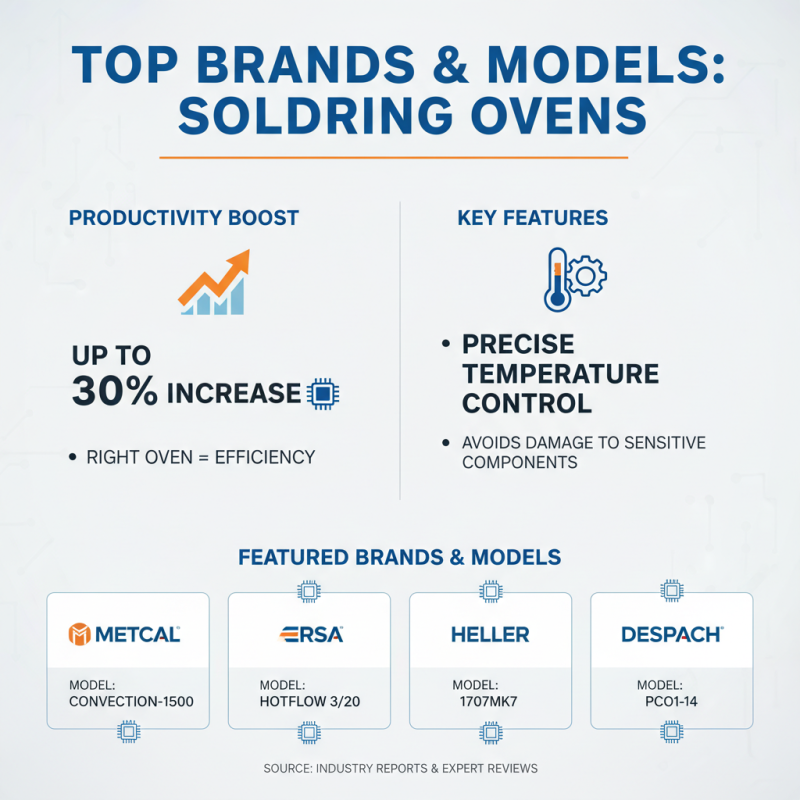
When choosing a soldering oven, it’s important to consider various models and their features. Various reports indicate that productivity can increase by up to 30% when using the right oven. Many hobbyists and professionals seek soldering ovens with precise temperature controls. This feature helps avoid damage to sensitive components.

Popular models have features like adjustable heating zones. This is essential for efficient soldering of different PCB sizes. Additionally, some ovens boast a user-friendly interface. Such designs make it easier for newcomers to achieve consistent results. Important specifications include maximum temperature limits and heating time. Some ovens heat up within minutes, saving valuable time in production.

Tips: Always check user reviews. Real experiences provide insight into performance. Ensure that you know the warranty terms. A quality warranty can save money in the long run. You might learn that not all high-priced options deliver superior results. It’s wise to compare various models extensively before deciding.

Maintenance Tips for Long-lasting Soldering Ovens

What is the Best Soldering Oven for Your Needs?

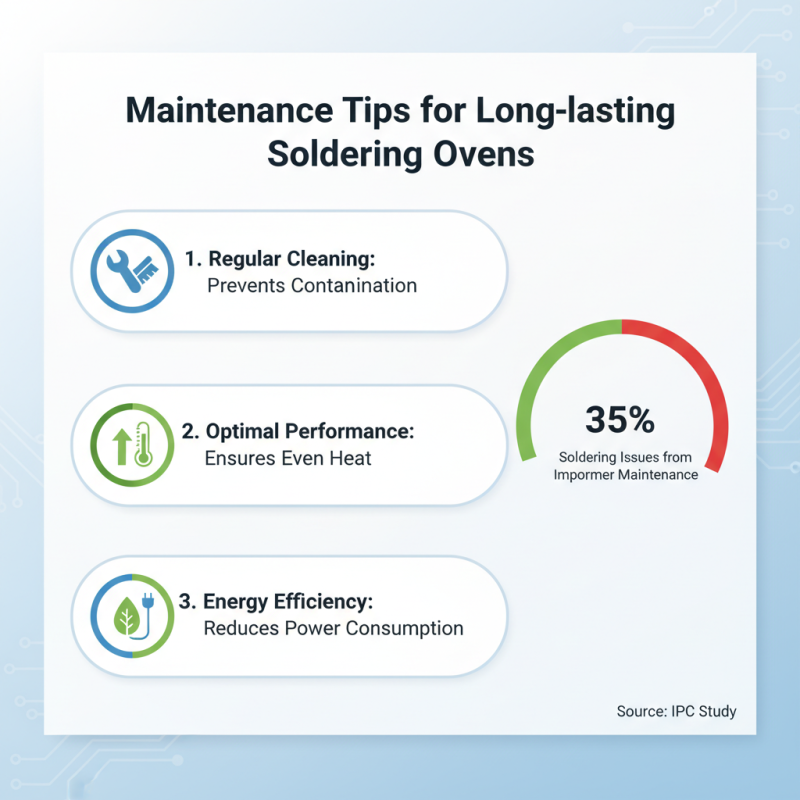
Maintaining a soldering oven is essential for optimal performance. Regular cleaning helps prevent contamination. A study by the IPC found that 35% of soldering issues stem from improper maintenance. Dust and residues can affect heat distribution. This leads to poor soldering results and increased energy consumption.

Check the temperature calibration frequently. An uncalibrated oven can fail to meet soldering standards. Data shows that up to 20% of ovens operate outside the recommended temperature range. This can cause defects in connections. Moreover, inspecting heating elements can reveal wear and tear. Replacing them promptly can extend the oven's lifespan.

Humidity control in the workspace is crucial. High humidity can impact solder quality. According to the IEEE, moisture can lead to defects in solder joints. Using desiccants and monitoring humidity levels can prevent these issues. Regular maintenance may require time. However, investing effort in upkeep ensures reliable performance and reduces costly repairs later on.