China Top Pcb Router Innovations and Industry Trends?
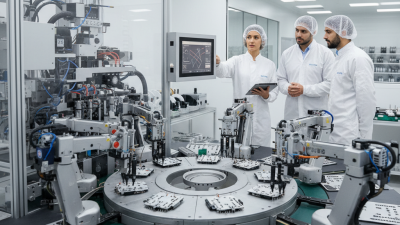
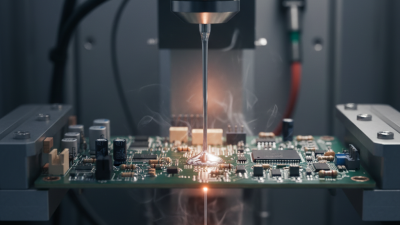
The world of PCB manufacturing is evolving rapidly. Key players are pushing boundaries with innovative PCB routers. These devices enhance precision and efficiency, reflecting the industry's need for speed. In recent years, technological advancements have transformed conventional practices.
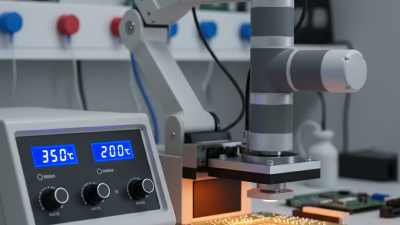
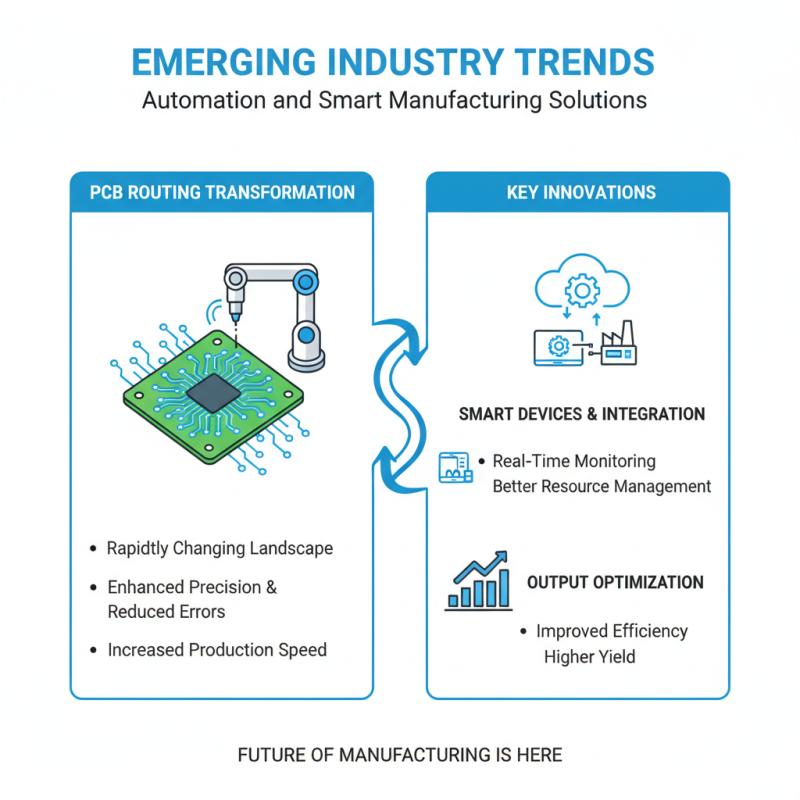
New PCB routers now offer features such as automated settings and real-time monitoring. These improvements empower manufacturers to reduce waste and optimize production cycles. However, some manufacturers struggle to keep pace. The challenge lies in adapting to new technologies while maintaining quality.
Innovation in PCB routers introduces exciting trends. Digitalization is reshaping how manufacturers approach their processes. Yet, it is essential to balance innovation with quality assurance. As the industry embraces change, reflection on existing practices becomes crucial. PCB routers are at the heart of this transformation, driving the future of PCB manufacturing.
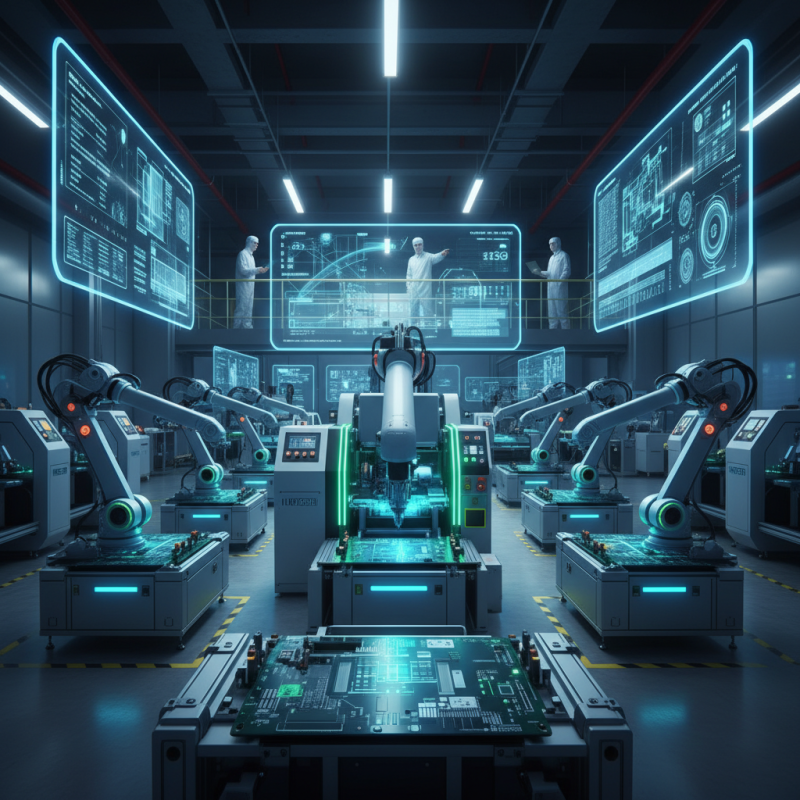
China's Pcb Router Market Overview: Size and Growth Trends
China's PCB router market has witnessed significant growth in recent years. The rising demand for electronics fuels this expansion. Innovations in technology are making routers faster and more efficient. These advancements cater to various industries, including automotive and consumer electronics. Still, challenges remain. Many routers struggle with precision and speed.
Coupled with this growth, manufacturers must focus on sustainability. The environmental impact of PCB production is a growing concern. Some companies are exploring eco-friendly materials and processes. These changes can lead to better industry practices. For now, a balance between innovation and sustainability is crucial.
Consumer expectations also play a role. People want advanced features but often at lower costs. This demand creates pressure on manufacturers. Many must rethink their strategies to remain competitive. As the market evolves, addressing these challenges will be critical for long-term success.
Key Innovations in Pcb Router Technology and Their Impact on Production
The PCB router industry in China is seeing significant innovations. New technologies are reshaping production lines. Automated systems are becoming more common. These advancements help in increasing efficiency and reducing costs.
One key innovation is the integration of AI in routing machines. AI systems can learn from past performance. They optimize cutting paths in real time, improving precision. This leads to fewer errors and waste. However, the reliance on AI also raises concerns. It needs constant monitoring to avoid mishaps.
Tip: Regular maintenance of router equipment is critical. This ensures that machines operate at peak performance. Delays in maintenance can lead to costly downtimes.
Another trend is the rise of eco-friendly materials. Many manufacturers are shifting towards sustainable options. This not only meets regulatory demands but also appeals to conscious consumers. Nonetheless, these materials can be more challenging to work with. They require proper handling and may add complexity to the design process.
Tip: Training staff on new materials is essential. This can help prevent mistakes and ensure safe production practices. Embracing innovation is important, but proper education is vital.
Environmental Sustainability in Pcb Router Operations in China
In recent years, environmental sustainability has become a crucial focus for PCB router operations in China. Many factories are adopting eco-friendly practices to minimize their ecological footprint. For instance, some are investing in advanced waste management systems. This reduces harmful waste and promotes recycling. There's a growing awareness of the environmental impacts among manufacturers and consumers alike.
However, not all efforts are perfect. Many companies struggle to balance profitability and sustainability. The initial investment in green technology can be high. Some businesses may prioritize lower costs over eco-friendly practices. This creates a dilemma that requires careful consideration. Regulations and marketplace pressures are pushing the industry, yet change is often slow.
Innovative solutions are emerging, aimed at reducing energy consumption. For example, using renewable energy sources in production is gaining traction. Additionally, implementing efficient machinery can lower emissions. Yet, there is still a long way to go. The challenge lies in encouraging widespread adoption of these improvements. Sustainability efforts must align with industry growth to be truly effective.
Challenges Facing China's Pcb Router Industry and Future Outlook
The PCB router industry in China faces numerous challenges. One pressing issue is the increasing demand for high-precision routing. Manufacturers struggle to meet these expectations with existing technology. As boards become smaller and more complex, the limitations of current machines are evident. Many companies find it challenging to upgrade their equipment while managing costs.
Another significant hurdle is workforce skill gaps. The rapid pace of technological advancement outstrips the training available. Skilled technicians are hard to find, affecting overall productivity. Companies must invest in ongoing training programs. A lack of skilled workers leads to slower production times and errors. Additionally, environmental regulations are tightening, imposing extra costs on manufacturers.
Looking ahead, the industry must prioritize innovation. Emphasizing research and development can drive progress. Automated systems show promise but are yet to be fully implemented. Sustainability is crucial; greener technologies should be explored. As challenges persist, opportunities for growth also emerge. Addressing these issues could position companies for future success.
China's PCB Router Innovations and Industry Trends