Why Choose the Best BGA Rework Station for Your Needs?
In today's fast-paced electronics industry, choosing the right BGA Rework Station is crucial. According to a recent industry report by Technavio, the global BGA rework station market is projected to grow by around 7% annually. This growth highlights the importance of investing in high-quality equipment to ensure precision and efficiency in reworking PCB components.
Expert Mark Johnson, a renowned technician in PCB assembly, once said, "The right BGA Rework Station can make or break your production efficiency." His insights underscore the serious implications of subpar tools. Without the best equipment, businesses risk costly errors and project delays.
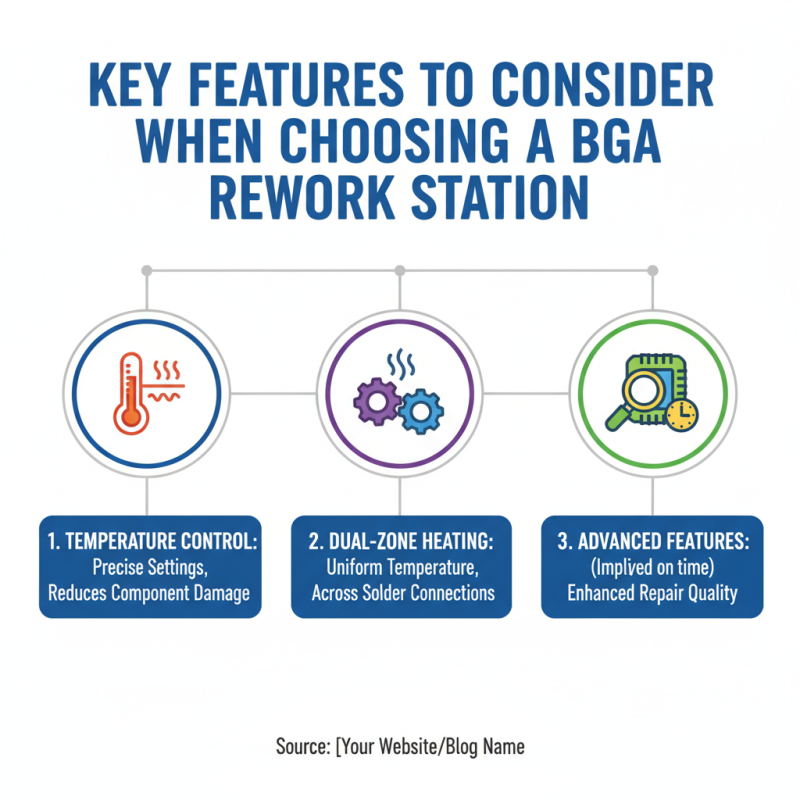
Selecting a BGA Rework Station involves evaluating various factors, from temperature control to reflow capabilities. While some may focus solely on cost, it's essential to balance price and performance. Investing in a reliable station saves time and reduces rework failures. Balancing these factors is often challenging, but the potential benefits are significant. Choose wisely, as this decision impacts the entire production cycle.

What is a BGA Rework Station and Its Importance in Electronics Repair?
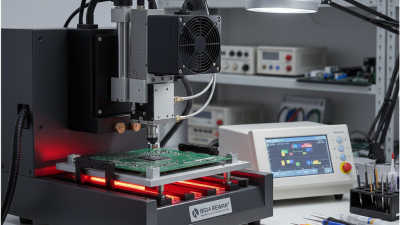
A BGA rework station is essential for electronics repair, specifically for Ball Grid Array (BGA) components. These components are widely used in modern devices due to their compact design. A specialized station helps in the precise removal and replacement of BGA chips. The quality of the tools used can directly impact the reliability of the repaired devices.
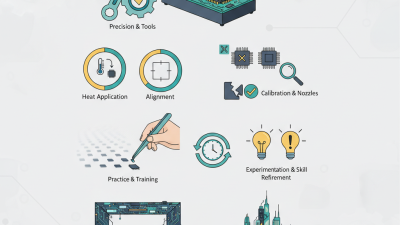
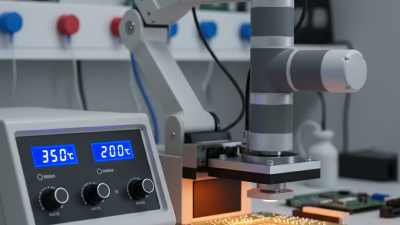
In practice, using a BGA rework station involves several critical steps. Temperature control is crucial during the soldering process. Too much heat can damage the components, while too little can lead to poor solder joints. Professionals often find it challenging to strike the right balance. It’s easy to overlook these details, leading to potential failures down the line.
Choosing the right station can greatly influence repair quality. A good station should have a hot air rework tool and a precise alignment system. These features enhance accuracy and make the rework process smoother. However, prices vary significantly, and not every expensive option guarantees excellence. Technicians must weigh their specific needs against budget constraints. Each choice might have unforeseen consequences, making careful decision-making essential in this field.
Industry Standards: What Makes a BGA Rework Station "Best"?
When selecting a BGA rework station, industry standards play a crucial role. A "best" station is often identified by its precision and reliability. According to a report by IPC, accurate temperature control is vital for effective soldering. It states that a tolerance of ±2°C is essential for optimal results. This precision helps in preventing component damage during rework, a common issue faced in many facilities.
In addition, an optimal rework station should include features like advanced imaging systems. These systems assist in aligning components accurately. The IPC study highlights that improper alignment can lead to a failure rate increase of up to 15%. Furthermore, the station's ergonomic design enhances workflow efficiency. Without addressing user comfort, even the best technology may result in operator fatigue and errors, reducing overall effectiveness.
Many users also overlook the importance of ease of use. Stations that are user-friendly reduce training time and mistakes. A report by TechConsult shows that 40% of rework failures are due to operator error, often stemming from complex interfaces. As operations advance, the station must adapt. Continuous improvements are necessary for maintaining relevance in an ever-evolving industry. Addressing these factors is not just beneficial but essential for meeting rigorous industry demands.
Comparative Analysis of Leading BGA Rework Stations in the Market
When selecting a BGA rework station, understanding the current market landscape is crucial. According to a recent industry report, the global demand for BGA rework stations is expected to grow by 7.2% annually through 2026. This figure highlights the importance of choosing equipment that meets specific needs rather than settling for generic options.
Leading BGA rework stations offer various features, including advanced temperature control and precision alignment. One study noted that stations with a built-in thermal profile feature can improve solder joint reliability by up to 15%. However, not all features may be necessary for every user. For instance, smaller facilities might not benefit from high-end stations with extensive automation. This underlines the need for careful assessment.
Moreover, many BGA rework stations claim to deliver unmatched quality. Yet, the actual performance can vary based on user experience and technical support. Some users report challenges with calibration and operation, emphasizing the significance of thorough training. As the market continues to evolve, finding a station that balances advanced technology with user-friendliness remains a pressing consideration for professionals in the field.
Cost-Benefit Considerations for Investing in Quality BGA Rework Equipment
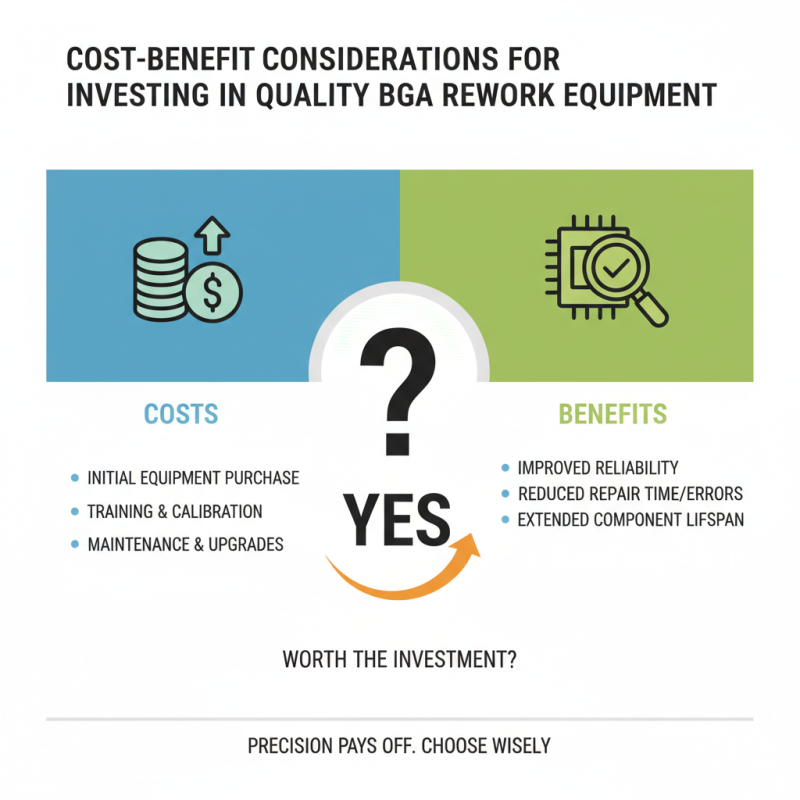
Investing in quality BGA rework equipment can be a game changer. It ensures precision and reliability in repairing electronic components. However, many companies struggle with the cost-benefit analysis. Is it worth the investment? The short answer is yes, but it requires careful consideration.
The upfront cost of a high-quality BGA rework station might seem daunting. Yet, the long-term savings are substantial. A reliable rework station reduces the chances of human error. It minimizes the risk of damage to components during repairs. This leads to fewer returns and higher customer satisfaction. Quality tools often last longer, providing better service over time.
Tips: Evaluate your production volume. Consider how often you perform rework. If frequent, a quality station pays for itself quickly. Assess the skills of your team. Proper training can maximize the benefits of investing in advanced equipment. Neglecting this aspect can lead to wasted resources, despite having the best machinery. Balancing cost and quality requires thoughtful reflection on your specific needs. Remember, the goal is to enhance efficiency while minimizing risk.