How to Choose the Best BGA Rework Station for Your Needs?
Selecting the right BGA Rework Station can greatly influence your production efficiency. These stations are vital for repairing and reworking Ball Grid Array solder connections. With technology evolving, the options available can be overwhelming.
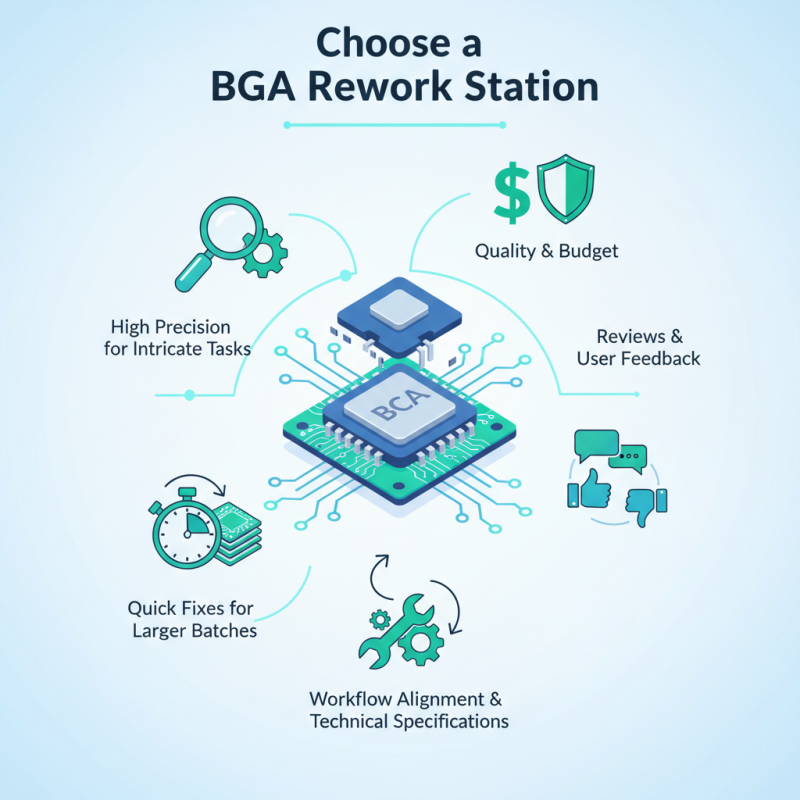
Consider your specific needs before making a decision. Different stations offer varied features and capabilities. Think about the type of projects you typically handle. Will you need high precision for intricate tasks or quick fixes for larger batches?
Quality is essential, but so is budget. Some stations may promise advanced features, yet may fall short in reliability. It's crucial to assess reviews and user feedback. Understanding your requirements will lead to a more informed choice. Look for a BGA Rework Station that not only meets technical specifications but also aligns with your workflow.
Understanding BGA Rework Stations: Key Features to Consider
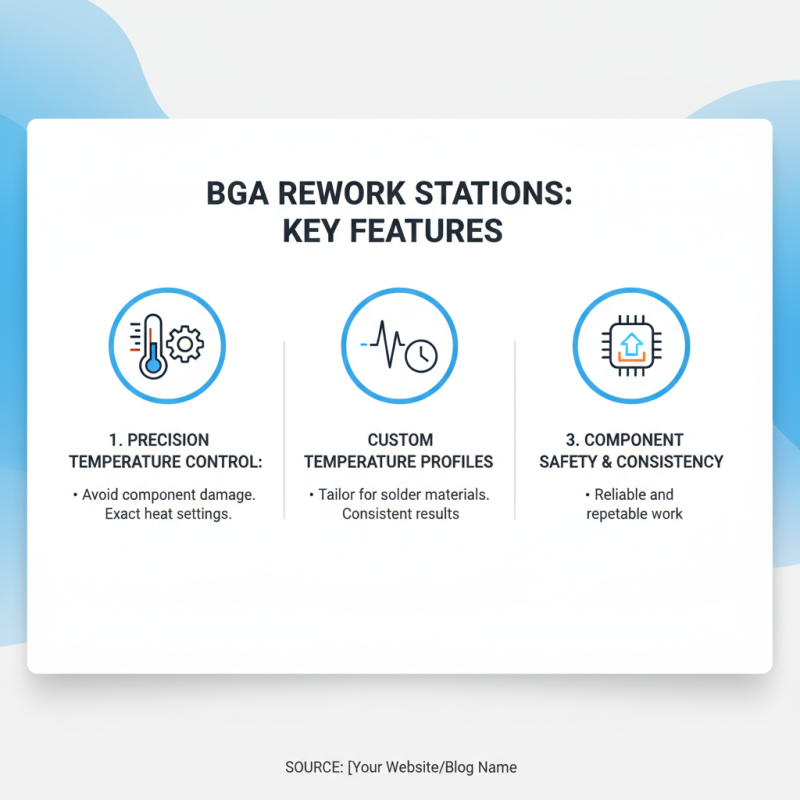
When selecting a BGA rework station, it's vital to understand the key features that suit your specific needs. Temperature control is crucial. You want a station that offers precise heat settings to avoid damaging components. Look for models that provide temperature profiles tailored for various solder materials. This helps in achieving consistent results.
Tips: Always check the heating method. Infrared or hot air? Each has advantages and drawbacks. Assess which method aligns with your workflow.
Another significant feature is the size and type of the soldering tips. The versatility in tip sizes allows for different applications. Smaller tips can help with intricate work, while larger tips are ideal for bulk soldering. Choose a station that offers a variety of options.
Consider the ease of use and maintenance as well. Some stations might look appealing on paper but can be challenging in practice. Simplicity in interface and design enhances user experience significantly. Reflect on how comfortable you are with the technology. A cumbersome layout may lead to mistakes, particularly under time pressure.
In conclusion, understanding these features can guide you to a suitable BGA rework station. Balancing performance and usability is key for your project's success.
Evaluating Your Specific Needs for BGA Rework Tasks
Evaluating specific needs is crucial when selecting a BGA rework station. Start by analyzing the types of components you frequently handle. Are they large or small? This will impact not only the station's size but also its heating capability. Consider the materials you work with, such as lead-free or traditional solder. Different materials require different temperatures and techniques, which can influence your choice.
Next, think about your workspace. Will the station fit your environment? A compact station may be necessary for smaller shops. Consider ventilation as well. Some processes release fumes that need proper extraction. The ease of use is another factor. A user-friendly interface reduces training time. Evaluate if the controls are intuitive.
Look for features that are relevant to your unique tasks. Some stations offer specialized nozzles for specific jobs. Others might include advanced software for programming. Reflect on your budget. High-end options offer better precision but also come with a higher cost. Are you ready to invest? Balancing needs with financial constraints is essential. In the end, finding the right BGA rework station aligns with understanding your specific requirements.
Comparing Different Types of BGA Rework Stations in the Market
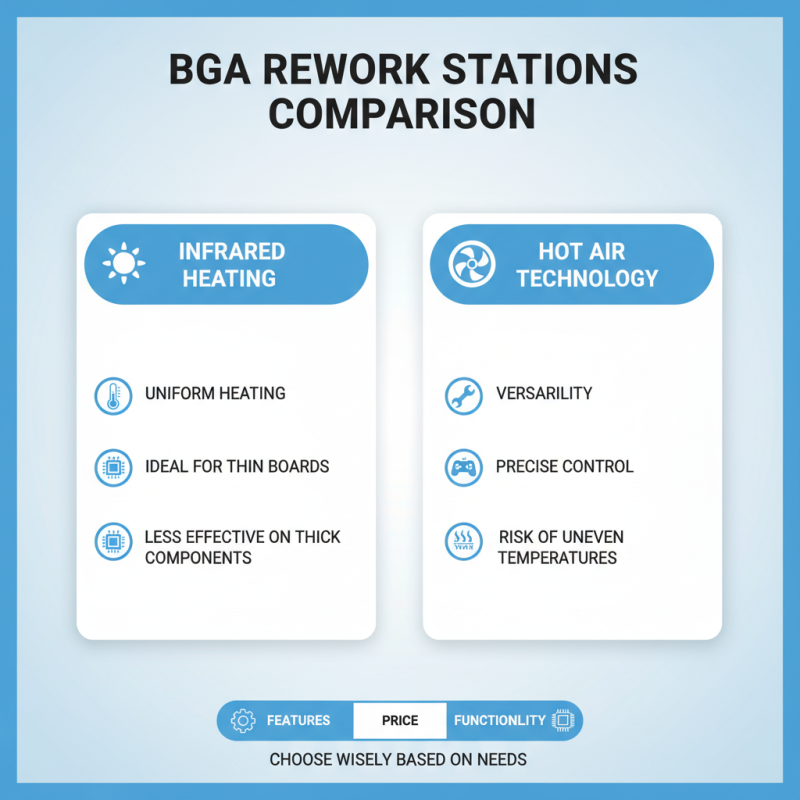
When comparing different types of BGA rework stations, several aspects stand out. These machines vary significantly in features, prices, and functionalities. Some focus on infrared heating, while others utilize hot air technology. Infrared stations offer uniform heating, ideal for thin boards. However, they can be less effective on thicker components. Hot air systems provide versatility but may present risks of uneven temperatures.
Another important consideration is the size and complexity of your projects. For small-scale tasks, a compact, portable unit might suffice. Larger operations may require advanced stations with multiple heating zones and programmable profiles. It’s crucial to evaluate your production needs and choose accordingly.
User reviews often highlight the learning curve associated with these stations. Some may find it challenging to master heat settings. Additionally, reliability and repair support are significant factors. Delays in maintenance can halt production, leading to lost revenue. Selecting a trustworthy station with good customer support can save time and money in the long run.
Assessing Budget and Cost-Effectiveness for BGA Rework Solutions
When selecting a BGA rework station, considering your budget is vital. Many stations vary significantly in price. It's important to find options that offer reliable performance without breaking the bank. You may notice that higher-priced models often boast advanced features. However, you must evaluate whether these features are essential for your specific needs. Sometimes, a more affordable option can perform just as well.
Cost-effectiveness is equally crucial. Examine the long-term operational costs of different stations. A lower initial price does not always mean savings over time. Think about the cost of replacement parts, maintenance, and energy efficiency. While you might be tempted by cheap solutions, they can lead to higher expenses down the road. Balancing upfront costs with ongoing expenses can help you make a wiser decision.
Take time for reflection. Are you focusing solely on the price, or considering functionality as well? Aiming for the best price can lead to overlooking key features you really need. Sometimes, the cheapest option lacks essential capabilities that can affect your workflow. Assess your requirements carefully to ensure you choose a rework station that is both financially sound and meets your operational needs.
Cost-Effectiveness of Different BGA Rework Stations
Reading Reviews and Seeking Recommendations for BGA Rework Stations
When choosing a BGA rework station, reading reviews is crucial. Many users emphasize durability and performance in their feedback. A recent industry report revealed that 70% of technicians prefer stations that offer precise temperature control. Precision ensures effective soldering without damaging sensitive components. Thoroughly reviewing customer experiences can uncover common issues.
Seeking recommendations from professionals is equally important. Colleagues in the electronics repair field are valuable resources. They share insights about the strengths and weaknesses of various models. For example, some might note that while certain stations are affordable, they may lack advanced features. Others might mention the importance of after-sales support.
Real-world testimonials often highlight unexpected challenges. One technician reported a station that performed well initially but faced overheating issues. Such insights help potential buyers weigh their options. Ultimately, gathering a mix of reviews and recommendations leads to informed decisions. Always consider what fits your specific needs best.
How to Choose the Best BGA Rework Station for Your Needs?
| Feature |
Description |
Rating (1-5) |
Price Range |
| Temperature Control |
Precision control for different solder types |
5 |
$300 - $800 |
| Suction System |
Efficient suction for component removal |
4 |
$250 - $600 |
| Nozzle Variety |
Different nozzle sizes for various components |
4 |
$50 - $150 |
| Dual-Temperature Zones |
Ability to control multiple temperature zones |
5 |
$500 - $1200 |
| Warranty |
Manufacturer warranty for peace of mind |
N/A |
N/A |