Why Choose a PCB Router for Your Manufacturing Needs?
When it comes to manufacturing, choosing the right tools is crucial. A PCB router has become essential in modern production lines. This advanced machinery offers precision, speed, and reliability in creating printed circuit boards. Manufacturers increasingly rely on PCB routers for efficient processing.
The technology behind a PCB router allows for intricate designs and high-quality outputs. It can handle various materials, making it versatile in different applications. With a well-calibrated PCB router, companies can minimize errors and increase productivity. However, investing in this equipment demands careful consideration.
Cost, maintenance, and training are factors that cannot be overlooked. A poorly implemented PCB router strategy may lead to production delays and increased waste. Thus, choosing the right PCB router involves evaluating both the benefits and challenges it brings to your manufacturing processes.
Understanding PCB Routers and Their Functionality
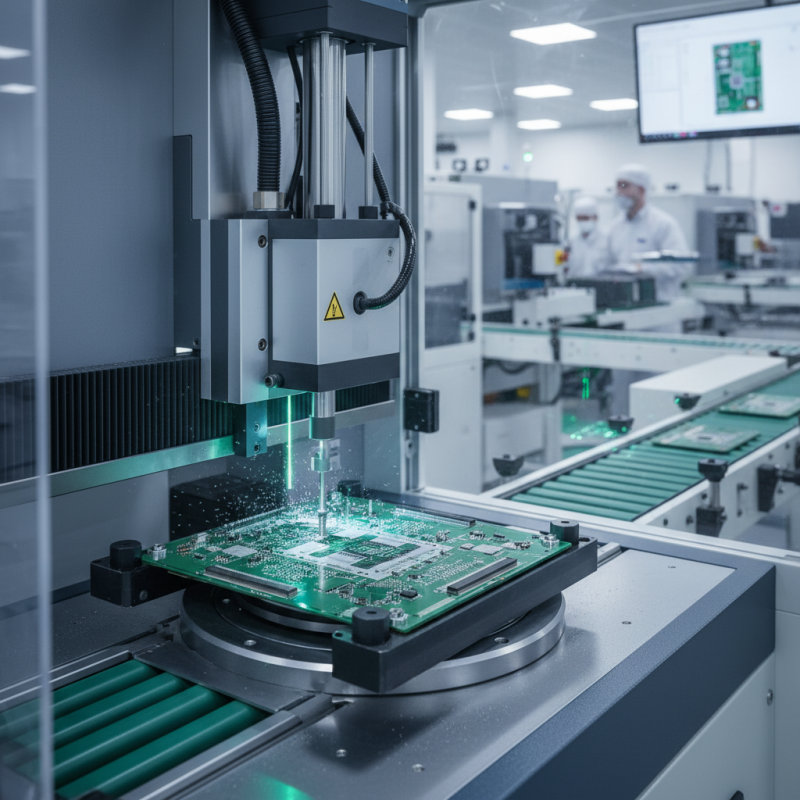
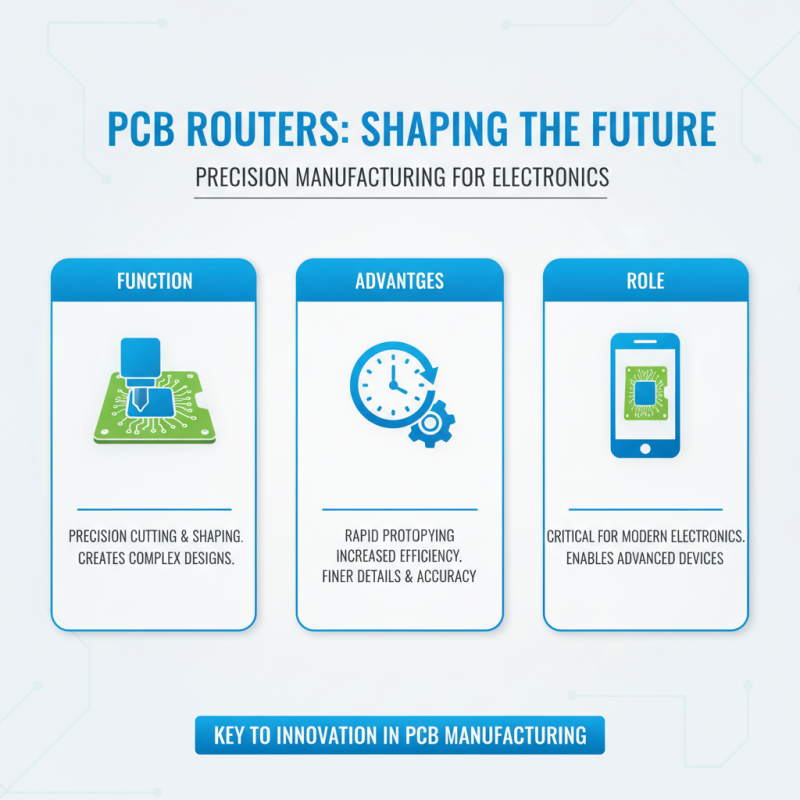
PCB routers play a critical role in the manufacturing process, particularly for printed circuit boards. These machines precisely shape and cut PCBs, enabling complex designs to come to life. Unlike traditional milling methods, they allow for rapid prototyping and increased efficiency. Users can achieve finer details with better accuracy, essential for modern electronic devices.
Understanding how PCB routers function is key to leveraging their benefits. They utilize rotating blades to remove material and outline circuit patterns. This method minimizes waste, optimizing costs and reducing production time. However, the learning curve can pose challenges for new operators. Improper settings may lead to defects, highlighting the importance of operator training.
Moreover, regular maintenance is essential to ensure consistent performance. Neglecting upkeep can result in reduced accuracy over time. By investing in operator education and maintaining equipment, companies can enhance manufacturing reliability. Ultimately, a PCB router can transform production capabilities when used correctly, underscoring its value in the industry.
Advantages of Using PCB Routers in Manufacturing
PCB routers have become a crucial tool in modern manufacturing. They offer precise cutting and drilling for printed circuit boards. This precision significantly enhances the quality of the final product. Customers expect reliable performance and durability. Using a PCB router helps meet these expectations.
One major advantage of PCB routers is their speed. They can process multiple units quickly. This efficiency can lead to reduced production time. Manufacturers can scale their operations more effectively. Furthermore, the automation in PCB routers reduces human error. This results in consistent output, a vital factor in maintaining quality control.
However, it is essential to consider the learning curve. Operators may require training to maximize router capabilities. Careful calibration is needed for optimal results. Regular maintenance ensures the equipment functions well over time. Adopting PCB routers can significantly enhance your manufacturing process while also presenting challenges that need addressing.
Key Features to Look for in a PCB Router
When selecting a PCB router, specific features can greatly influence your manufacturing process. Precision is crucial. Look for routers that offer high accuracy and fine cutting capabilities. Machines boasting a minimal tolerance of less than 0.1 mm can enhance intricate designs. Such precision ensures that each board meets stringent industry standards.
Speed and feed rates are also critical. Faster routing allows for increased productivity, but not all machines balance speed and quality. A router that can adjust feed rates based on material type offers versatility. This flexibility is vital, as different materials may require varied settings for optimal performance.
Additionally, consider the software that accompanies the router. User-friendly interfaces can reduce operator error. Some systems provide real-time monitoring features. They help track performance and address issues promptly. It’s beneficial to reflect on your team's skill level with technology, as this can affect efficiency. Prioritize options that simplify operation while maintaining advanced functionalities.
Why Choose a PCB Router for Your Manufacturing Needs? - Key Features to Look for in a PCB Router
| Feature |
Description |
Importance |
| Speed |
The capability to complete PCB routing in a shorter time frame, enhancing overall productivity. |
High |
| Precision |
High accuracy in cutting paths, which is crucial for intricate PCB designs. |
Critical |
| Software Compatibility |
Ability to integrate with CAD software for seamless design imports. |
High |
| Ease of Use |
User-friendly interface that allows operators to navigate easily. |
Medium |
| Durability |
Constructed with high-quality materials to withstand heavy use. |
High |
| Post-Processing Capability |
Features for cleaning, deburring, and finishing the edges of PCBs after routing. |
Medium |
| Cost-Effectiveness |
Balancing initial investment with long-term operational costs. |
High |
Comparing PCB Routers to Other Manufacturing Tools
When considering manufacturing tools, a PCB router stands out. It offers unique capabilities compared to alternative options like lasers or manual machines. PCB routers excel in precision and speed. With a router, tasks like cutting and shaping PCBs become efficient, reducing production time. In contrast, lasers may lack the same depth in material handling, potentially leading to errors.
Tips: Always check the router's specifications. Ensure it meets the necessary depth and speed for your projects. Considering your design complexity is crucial when choosing the right tool.
For manufacturers, working with varied materials can be challenging. While manual methods allow for detailed work, the time investment grows significantly. PCB routers automate much of this process, ensuring consistency in production. However, users must ensure they're trained on these machines. Mistakes can arise from improper handling, leading to defects.
Tips: Regular maintenance of your PCB router ensures longevity. Run test cuts before full production to minimize risks. Investing time in training reduces potential downtime caused by errors.
Applications of PCB Routers in Various Industries
PCB routers are increasingly vital in various industries due to their versatility and precision. In electronics manufacturing, they are crucial for producing intricate circuit boards. These routers cut, shape, and profile PCB materials with exceptional accuracy, essential for components that demand tight tolerances. This accuracy ensures optimal performance of electronic devices in sectors like telecommunications and consumer electronics.
In automotive manufacturing, PCB routers facilitate the creation of complex circuit boards for sensors and control units. The automotive industry has unique requirements, often needing specific designs to withstand harsh environments. PCB routers provide the necessary adaptability, ensuring reliable performance even under challenging conditions. However, manufacturers must be aware of the learning curve associated with operating these machines effectively.
The medical field also benefits from PCB routers. Precision is vital in medical devices, where errors can have serious consequences. PCB routers enable the production of reliable circuit boards for monitoring equipment and surgical tools. Yet, the integration of advanced technologies into these devices often creates challenges. Manufacturers must continuously refine their techniques to meet evolving standards in usability and safety.
Applications of PCB Routers in Various Industries