How to Choose the Best PCB Oven for Your Needs?
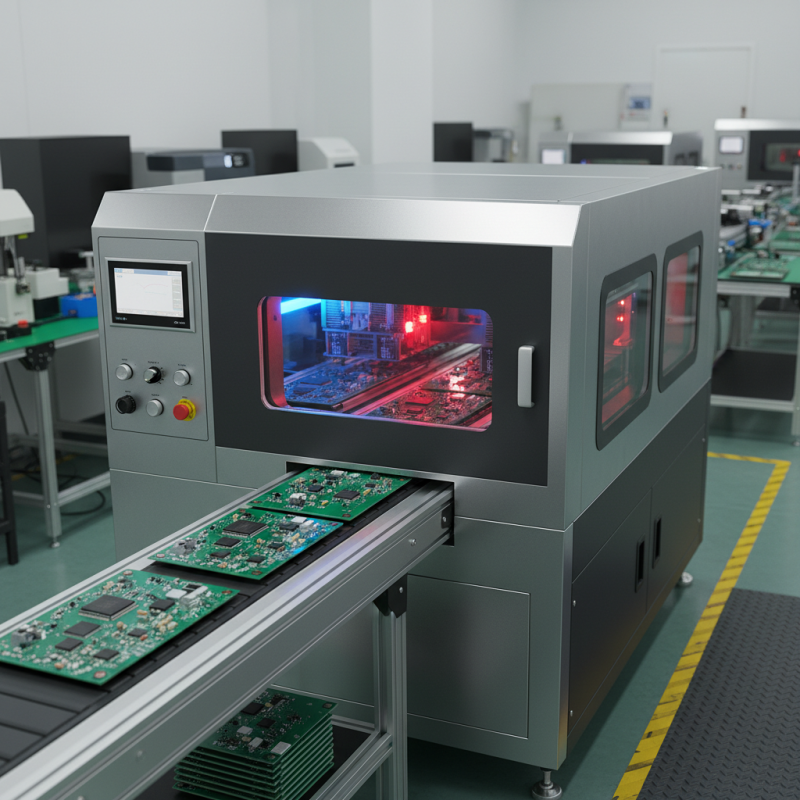
Choosing the best PCB oven is crucial for your production quality. A high-quality PCB oven ensures accurate temperature control and uniform heating. This equipment is key for components that require specific soldering techniques.
Consider the size and capacity of the PCB oven to match your needs. A compact oven may suit small batches, but larger projects necessitate more space. Additionally, pay attention to the heating method. Convection and infrared heating offer different advantages and limitations.
It's also vital to research brands and models offering reliable performance. User reviews and expert opinions can guide you in making a wise choice. Be aware that some features may not suit your production scale. Reflecting on your specific requirements will lead you to the best PCB oven for your operations.
Understanding PCB Ovens: Types and Their Functions
PCB ovens are essential in the electronics manufacturing process. They are not just simple heaters; they play a critical role in the reliability of printed circuit boards. Understanding the types and functions of PCB ovens helps in selecting the right one for specific needs.
There are several types of PCB ovens, each designed for different applications. Convection ovens use circulated hot air to evenly distribute heat. This method is effective but may not reach all areas at once. Infrared ovens, on the other hand, use radiant heat. They heat surfaces quickly, which can speed up production but may require more careful temperature management. Reflow soldering ovens are crucial for solder connections, melting solder paste effectively. Each type has advantages and limitations that need careful consideration.
Choosing the right PCB oven isn't straightforward. Factors like production volume, PCB complexity, and specific thermal profiles must be assessed. Many users overlook the importance of manufacturer support and service availability. Good service can make a significant difference in maintaining efficiency. Incorrect choices could lead to poor results or increased costs. Always reflect on your unique needs before making a decision.
Temperature Profile of Different PCB Oven Types
Key Features to Consider When Selecting a PCB Oven
Choosing the right PCB oven is crucial for successful manufacturing. When selecting a PCB oven, consider temperature uniformity. This feature ensures every part of your circuit board receives consistent heat. Uniform heating is essential for soldering components without damage.
Another key feature is the size of the oven. It must accommodate your largest PCB. This flexibility allows for future growth in production. A compact oven might save space but could limit your capabilities. Think about your current needs versus future demands.
Airflow design is also important. Proper airflow promotes efficient heat distribution. Poor airflow can lead to uneven solder joints, which might cause board failures. Regular maintenance of heating elements will help avoid inconsistencies. Reflecting on these factors can enhance your production process and lead to better outcomes.
Comparing Price Ranges: Budget vs. High-End PCB Ovens
When selecting a PCB oven, understanding the price range is essential. Budget ovens often provide basic functionalities. They can handle simple projects but may lack precision. For small-scale operations, these ovens might suffice. However, they can lead to inconsistent results. This inconsistency could affect the quality of your soldering process.
High-end PCB ovens generally offer advanced features. They include precise temperature control and better uniformity. Investing in a high-end model can improve efficiency. These ovens reduce the risk of damaging components during the soldering process. Although their initial cost is higher, they can save money in the long run. The reliability of high-end ovens can justify the expense.
Choosing between budget and high-end options requires careful consideration. Think about the volume of work you will handle. Analyze what features are necessary for your projects. Don’t overlook the potential hidden costs of budget ovens. They may require more maintenance and repairs. Your choice should align with both current needs and future growth.
Evaluating Brand Reputation and Customer Reviews
When selecting a PCB oven, customer reviews and brand reputation are key considerations. According to recent industry reports, 78% of buyers consult online reviews before making a purchase. These insights provide a glimpse into the performance and reliability of the ovens. A strong brand reputation often correlates with higher customer satisfaction levels.
Diving deeper into customer feedback can reveal common themes. For instance, maintenance issues or incorrect temperature calibrations are frequent mentions. In fact, about 45% of reviews highlight difficulties with these areas. This makes it crucial to choose a brand known for excellent post-purchase support. Brands with dedicated customer service teams tend to receive higher ratings, as they address concerns effectively.
Moreover, the importance of brand longevity should not be underestimated. A company that has been in the market for over a decade typically has a better understanding of industry standards. However, new brands with innovative designs are gaining traction, often based on user-friendly features. Balancing these factors requires careful evaluation of both quantitative data and qualitative experiences shared by customers.