How to Choose the Right Smt Machine for Your Business?
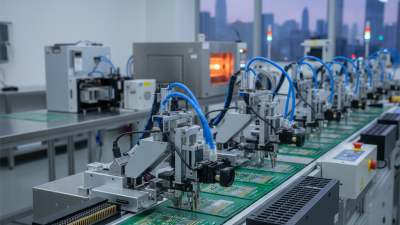
Choosing the right SMT machine is critical for your business success. An SMT machine plays a vital role in surface mount technology, directly impacting production efficiency. Selecting the wrong equipment can lead to higher costs and workflow issues. It is essential to consider your specific needs, such as production volume and the type of components you handle.
Different models offer various features, which can make the decision overwhelming. Factors like speed, size, and compatibility with existing systems should guide your choice. Businesses often overlook maintenance needs and operational training, which are crucial for effective use. Identifying a reliable supplier can also help ensure long-term support and service.
It's easy to get caught up in technical specifications. However, understanding your actual production layout and anticipated growth can influence your decision more than specs alone. Reflect on these aspects before making a choice. A thoughtful selection process can save you from costly mistakes and improve your operational efficiency.
Factors to Consider When Selecting an SMT Machine
Choosing the right SMT machine requires careful consideration. One major factor is production volume. Companies with high-volume needs often prefer machines with faster throughput. According to IPC’s 2022 report, the average throughput of modern SMT machines can reach up to 50,000 components per hour. Investing in a machine that meets daily production requirements can reduce bottlenecks and improve efficiency.
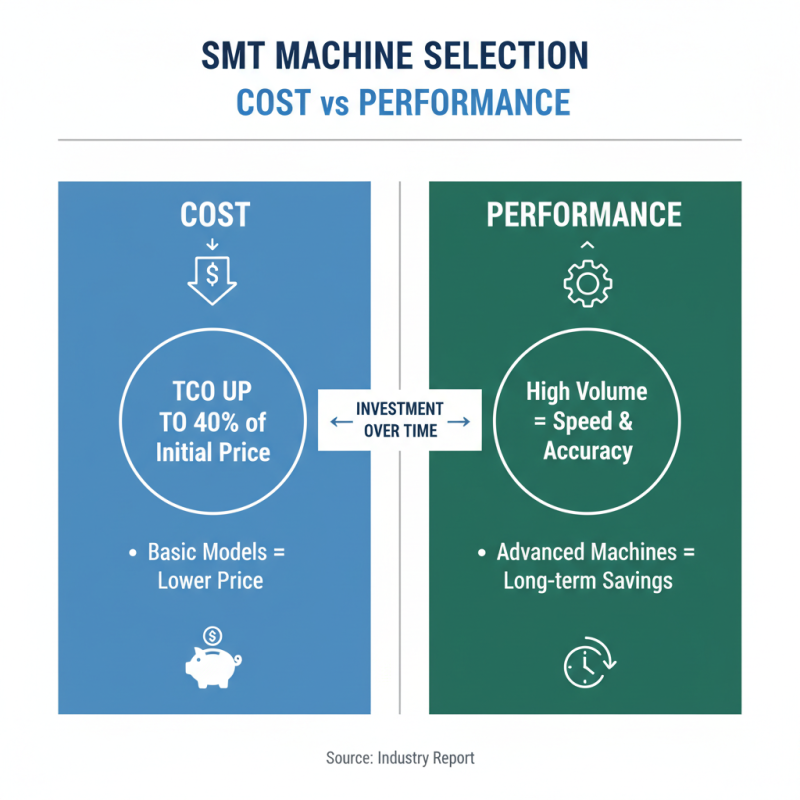
Cost is another critical aspect. The initial price of SMT machines can vary significantly. A recent market analysis highlighted that prices can range from $10,000 to over $500,000. This wide range reflects different capabilities and technology levels. Businesses must evaluate their budgets versus long-term ROI. Not all high-priced machines will guarantee better outcomes.
Flexibility is essential as well. Many businesses face unpredictable demands. Machines that enable rapid changeovers can be valuable. A study by Global SMT found that companies using modular machines reported a decrease in downtime and better adaptation to new projects. Balancing these factors—not just focusing solely on price or speed—will lead to more informed and strategic purchasing decisions.
Types of SMT Machines: Picking the Right Type for Your Needs
When selecting the appropriate SMT machine, understanding the types available is essential. Two common types are automatic and semi-automatic machines. Automatic machines are designed for high-volume production. Their efficiency can be remarkable, often achieving speeds of around 10,000 components per hour. In contrast, semi-automatic machines cater to smaller production runs and offer flexibility for quick changes. Industry reports suggest that businesses using semi-automatic machines can reduce setup time significantly, often by 30%.
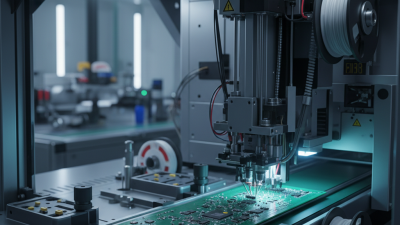
Different SMT machines serve various needs. For instance, pick-and-place machines streamline the assembly process. They ensure precise placement of components. Data indicates that precision can affect overall product quality by as much as 45%. This option is vital for businesses focusing on quality control. However, it also requires a skilled operator for optimal performance. On the other hand, reflow ovens are crucial for soldering processes but can present challenges in thermal profiling. Mismanaged temperatures can lead to defects, impacting yield rates, which may drop by up to 20%.
Ultimately, understanding your production goals will guide your machine choice. While more advanced machines offer higher efficiency, they often come with higher costs. Balancing this with your budget and production capacity is a complex decision. It's crucial to evaluate each machine's specifications against your unique operational needs, considering both benefits and potential downsides in performance.
Types of SMT Machines by Popularity
Evaluating Production Volume and Speed Requirements
Choosing the right SMT machine is crucial for optimizing your production processes. Production volume and speed are key requirements that need careful evaluation. According to a recent IPC report, manufacturers can lose up to 20% in productivity when machines are misaligned with production needs. A deep understanding of your production goals is essential.
For businesses with high production demands, investing in faster machines can pay off significantly. A machine that can handle 7,000 components per hour, compared to one at 4,000 components, may yield higher output. However, speed should not come at the cost of quality. Balancing efficiency with precision is vital.
Tip: Evaluate your current production data to understand your historical volumes. Use this data to project future needs.
Moreover, machines suitable for low-volume production often become bottlenecks in high-demand scenarios. Investing in scalable technology can mitigate this issue. A flexible machine might seem costly initially but will adapt to changing requirements.
Tip: Always assess potential growth in your production volume. This way, you won’t outgrow your SMT machinery quickly, leading to more substantial investments.
While faster machines may seem ideal, they can be tricky. Higher speeds might lead to inaccuracies, especially with intricate designs. Take time to analyze your specific needs thoroughly.
Assessing Technical Support and Maintenance Services
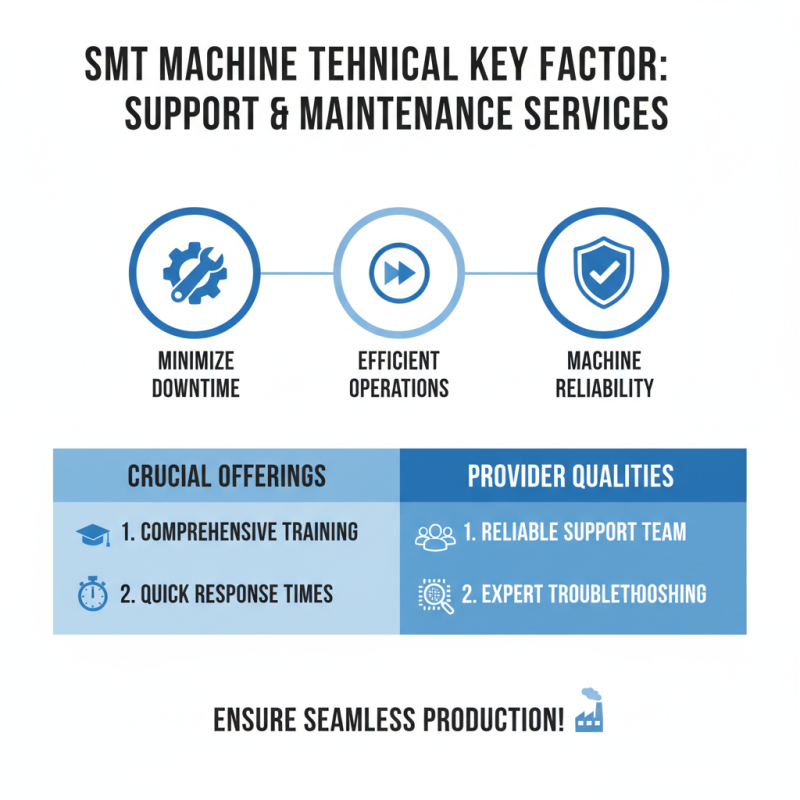
When selecting an SMT machine, technical support and maintenance services are crucial. Strong support can minimize downtime and ensure efficient operations. Look for providers who offer comprehensive training and quick response times. A reliable support team can make the difference in troubleshooting and machine upkeep.
Tips: Prioritize vendors that provide 24/7 support. This can be vital during critical production runs. Additionally, consider services that offer regular maintenance schedules. Scheduled check-ups can prevent unexpected breakdowns.
Assess the available resources for maintenance. Some manufacturers provide extensive documentation and online resources, helping your team troubleshoot issues independently. However, not all companies do this well. Ensure that the support you expect aligns with what they offer. Keep in mind that some suppliers may not have the best after-sales service, leading to frustration.