How to Use a Pcb Pick And Place Machine Effectively?
In the world of electronics manufacturing, the Pcb Pick And Place Machine plays a crucial role. This machine streamlines the assembly process. It places components onto printed circuit boards efficiently. However, using it effectively requires careful attention to detail.
Many users underestimate the importance of calibration. A poorly calibrated machine can lead to misalignment. This affects the performance of the final product. It's essential to regularly check settings and adjust them. Operators should stay updated with the machine’s manual. Understanding every function maximizes efficiency.
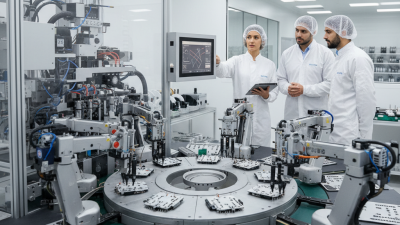
Moreover, proper training for staff is vital. Without this, mistakes can happen. A simple error can delay production. Regular practice ensures that operators are confident. In addition, keeping a clean work area helps maintain the machine. Dust and debris can disrupt operations, leading to complications. Ultimately, mastering the Pcb Pick And Place Machine is an ongoing journey. Reflecting on challenges can lead to improved techniques.
Understanding the Basics of PCB Pick and Place Machines
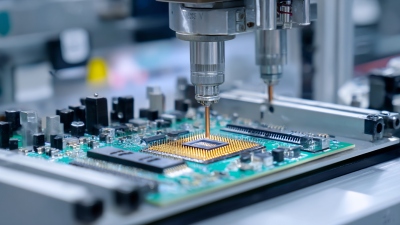
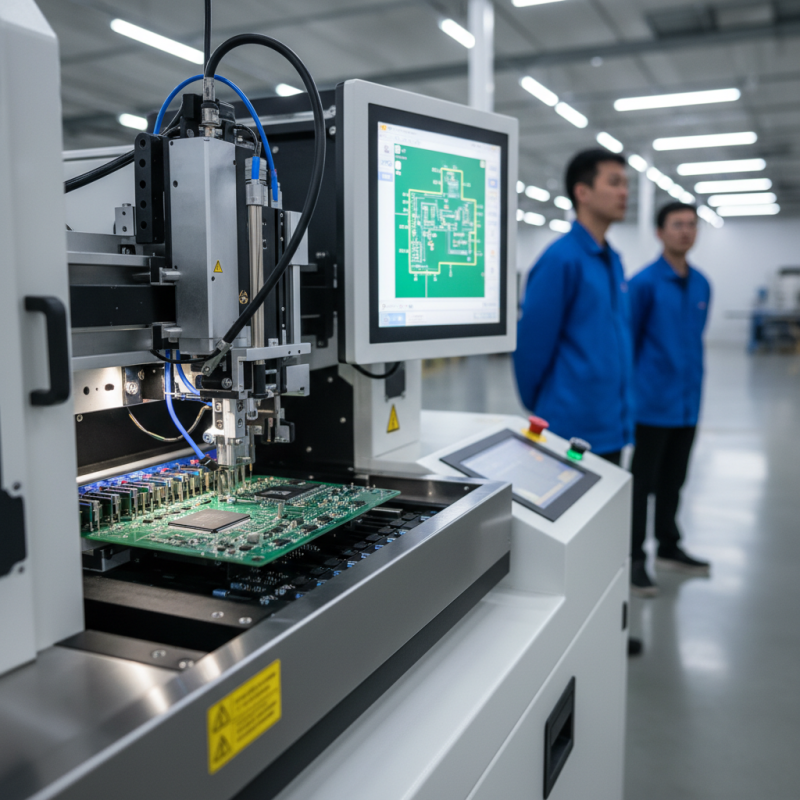
PCB pick and place machines are vital in modern electronics manufacturing. Understanding their basics is essential for effective operation. These machines automate the placement of components on printed circuit boards (PCBs), significantly increasing production speed and consistency. According to industry reports, PCB assembly processes benefit from over 90% accuracy with these machines. A well-calibrated machine can enhance productivity by reducing manual errors.
When operating a pick and place machine, there are a few tips to keep in mind. Ensure that your components are correctly oriented and placed in the feeder. Misaligned parts can lead to costly errors. Regularly maintain your machine to reduce downtime. Cleaning the nozzles frequently will ensure optimal performance. Moreover, invest time in training operators. Skilled personnel can navigate issues more effectively.
Another aspect to consider is the setup process. While automated, it can still be prone to human error, especially during the programming phase. Double-checking component placement and parameters is necessary. Inadequate programming can lead to defective products, which may not be immediately visible. Using simulation software can help identify issues before production begins. Reflection on past assembly errors can help refine processes.
How to Use a Pcb Pick And Place Machine Effectively? - Understanding the Basics of PCB Pick and Place Machines
| Dimension |
Description |
Importance |
| Speed |
The rate at which the machine can place components on the PCB. |
Higher speed increases production efficiency. |
| Accuracy |
Precision in placing components at the correct locations. |
Essential for functionality and reliability of the PCB. |
| Ease of Use |
User-friendly interfaces and controls. |
Reduces setup time and operator error. |
| Component Compatibility |
Types of components that the machine can handle. |
More versatility allows for varied production runs. |
| Software Features |
Capabilities provided by the machine's software. |
Advanced software can assist in optimizing the pick and place process. |
| Maintenance |
Regular upkeep and troubleshooting protocols. |
Ensures long-term reliability and performance of the machine. |
Choosing the Right Components and Feeder Systems
Choosing the right components is crucial for an efficient PCB pick and place operation. Focus on compatibility and quality. Low-quality components can lead to issues during assembly. They might not fit well or work reliably. Assess the specifications carefully. Sometimes, a cheaper option sounds appealing but can cause long-term problems.
Feeder systems also play a vital role in the process. Select feeders that can handle the size and type of components you’re using. A misaligned feeder can waste time and lead to errors. While there are many feeder options, not all will suit your specific needs. Testing different setups may highlight challenges, like misfeed rates, which can disrupt production.
It's essential to keep reevaluating your choices. Are your component selections still optimal? Do your feeders operate without issues? Regularly checking these details can enhance efficiency. Consider documenting your findings to track performance over time. Reflecting on what works and what doesn’t will lead to improvements in your overall assembly process.
Running Effective Test Programs and Calibration Procedures
Running effective test programs is crucial for optimizing PCB pick and place machines. These machines are precise but sensitive. A faulty program can lead to misplacements. Begin by setting clear parameters. Define what constitutes a
successful placement. This clarity helps in evaluating the results accurately.
Calibration procedures should not be overlooked. Check the machine regularly. Minor changes can affect performance. Use a variety of test boards with known good placements. Evaluate the machine's accuracy frequently. Look for patterns in errors. These can indicate whether adjustments are needed. It’s common to see variations in performance over time.
Don't ignore these fluctuations; they can worsen if left unaddressed.
Always document your findings. It provides valuable insight for future adjustments. Learn from unsuccessful runs. Reflect on the outcomes and make necessary changes. Regular reviews of your test programs ensure continuous improvement. It’s essential to maintain a balance between efficiency and precision. Aim for both, but recognize that
perfection is not always attainable.
Maintaining and Troubleshooting Your Pick and Place Machine
Troubleshooting a pick and place machine is crucial for optimal performance. Regular maintenance can prevent major issues. According to a recent industry report, 30% of machine downtime is due to improper upkeep. Simple tasks, like cleaning the nozzles, can improve accuracy significantly. Dust and debris can impact component placement.
Operators should perform routine checks on the calibration of the machine. Misalignment can lead to wasted materials. Data shows that poorly calibrated machines can increase error rates by over 20%. Periodic inspection of mechanical parts is vital. Parts can wear down over time, leading to expensive repairs. Many operators overlook these signs, leading to bigger problems later.
It's essential to keep an eye on software updates as well. Outdated software can hinder a machine's efficiency. In fact, organizations that regularly update their systems report 15% fewer errors. Don't ignore the user manual; it often contains vital troubleshooting tips. Reflection on past mistakes can provide valuable insights for improvement. Embracing a proactive approach will enhance performance and reduce frustration.
Efficiency of PCB Pick and Place Machines