2026 How to Master Selective Wave Soldering Techniques?
Selective Wave Soldering is a vital technique in the electronics manufacturing process. It ensures strong and reliable connections on printed circuit boards (PCBs). This method selectively applies solder to specific areas, reducing excess and waste.
Mastering Selective Wave Solder requires practice and understanding. It involves the right equipment, solder composition, and temperature settings. In many cases, operators face challenges with misalignment or inconsistent solder joints. Reflecting on these issues can lead to improvements.
Effective use of Selective Wave Soldering can elevate product quality. However, it is crucial to recognize that failure is part of learning. Every error presents an opportunity for growth. Embracing these imperfections can enhance craftsmanship in electronic assembly.
Understanding the Fundamentals of Selective Wave Soldering Techniques
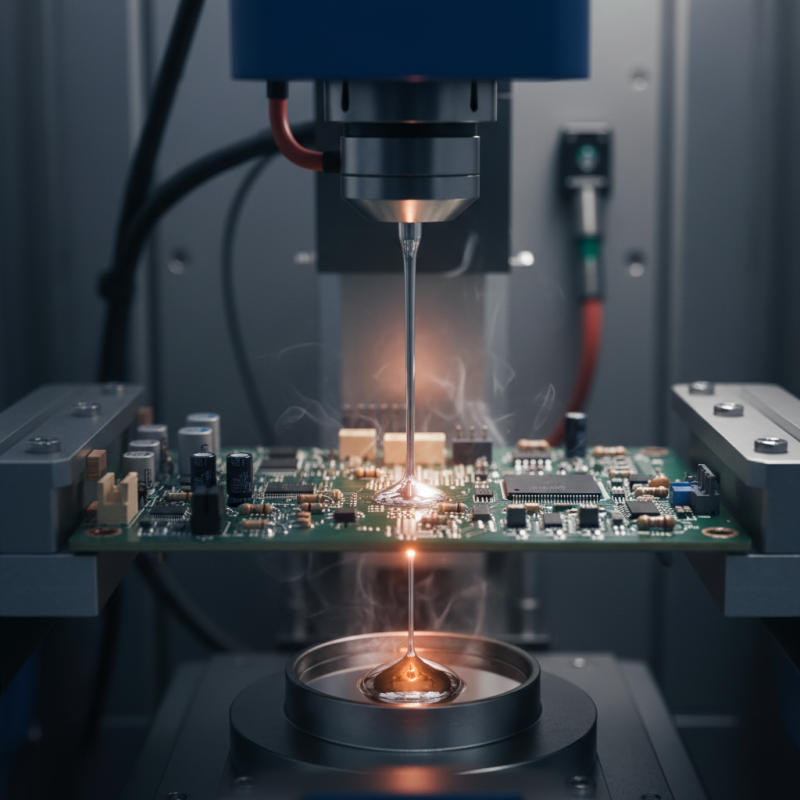
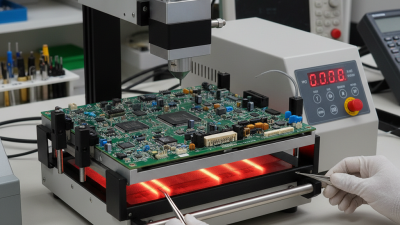
Selective wave soldering is a precise technique in electronics manufacturing. Understanding its fundamentals is essential for successful application. This method involves only soldering specific areas, minimizing damage to surrounding components. The process uses a specialized nozzle to apply molten solder where required. This targeted approach enhances efficiency and quality.
Practicing selective wave soldering requires attention to detail. Proper nozzle design and placement are crucial. If the soldering temperature is too high, it can lead to thermal shock. This risk stresses components, making them susceptible to failure. Operators must remain vigilant, monitoring the process closely.
Experimentation is key to mastering these techniques. Not every attempt will yield the desired results. Identifying common pitfalls helps in refining skills. The soldering parameters can vary widely. Adjustments based on specific project needs are necessary. Embracing the learning curve will lead to improved outcomes over time.
Key Equipment and Materials for Effective Selective Wave Soldering
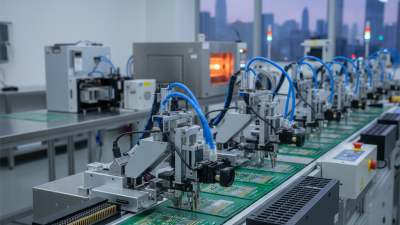
Selective wave soldering is a sophisticated process that requires the right equipment and materials for success. The heart of this operation is a selective soldering machine. This machine has a nozzle that precisely delivers solder to specific areas. It enables efficient soldering of components without affecting nearby parts. The setup must ensure stable temperature control. Variations can lead to poor solder joints and increased rework.
In addition to the machine, solder alloys play a significant role. The type of solder affects wetting, flow, and solidification. Lead-free solder is common today, but it can be tricky. Choosing the right flux is essential. Flux prepares surfaces for soldering. It helps to prevent oxidation. However, not all fluxes work well with every alloy. Testing combinations can save time and materials in the long run.
Adequate cleaning materials are also important. Residues from soldering can lead to future failures. Operators should pay attention to cleaning protocols. Mistakes in cleaning can cause issues down the line. The quality of the equipment and materials significantly impacts outcomes. Each choice must align with the specific requirements of the project.
Analyzing Process Parameters: Temperature, Speed, and Flux Types
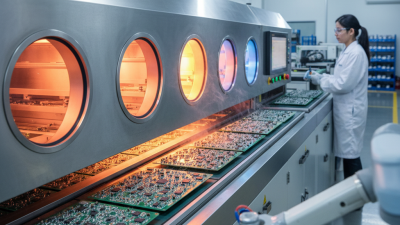
Selective wave soldering is a vital process in electronics manufacturing. Understanding process parameters like temperature, speed, and flux types is crucial for achieving optimal results. These factors can significantly influence the quality of solder joints and the overall assembly process.
Temperature is pivotal in selective wave soldering. Too high a temperature can damage sensitive components. On the other hand, if it's too low, solder may not adhere properly. A temperature range of 250-270°C is typically recommended, but each application may require adjustments. Regularly calibrating your equipment is essential.
Speed also plays a critical role. A slower conveyor speed allows the solder to wet properly. However, moving too slowly can lead to overheating. Finding a balance is necessary. Experimenting with different speeds can yield insights but may lead to unexpected results.
Using the right flux type is equally important. Depending on the components and the soldering environment, different fluxes can produce varying outcomes. Water-soluble fluxes are popular, but they may require careful cleaning. Non-corrosive fluxes can save time but may not perform well under all conditions.
Tips: Always document your parameters. This habit aids in troubleshooting issues in future batches. Don’t hesitate to tweak parameters, but ensure you test thoroughly. Remember, what works for one project may not suit another. Embrace learning from mistakes to refine your soldering process.
Common Defects in Selective Wave Soldering and Their Solutions
Selective wave soldering is a widely used technique in electronics manufacturing. However, it can lead to common defects that may hinder performance. One of the most frequent issues is solder bridging. This happens when solder connects two adjacent pads, leading to short circuits. A study indicated that nearly 25% of failures in assemblies are due to solder bridging. Identifying the cause early on saves time and resources.
Another significant defect is insufficient solder. Often, components do not get enough solder for a reliable connection. This can happen due to incorrect heat settings or inadequate solder volume. Reports suggest that around 15% of soldering defects stem from this issue. Regular maintenance and calibration of the soldering machine can help reduce these risks. Still, it's essential to analyze process parameters regularly for improvements.
Finally, component damage can also occur during the soldering process. Excessive heat can compromise component integrity, which affects the overall design. Research highlights that up to 20% of components may suffer damage due to excessive thermal exposure. Proper temperature control and real-time monitoring are crucial. However, inconsistent practices often lead to ongoing problems that teams must address actively.
2026 How to Master Selective Wave Soldering Techniques? - Common Defects in Selective Wave Soldering and Their Solutions
| Defect Type |
Description |
Common Causes |
Solutions |
| Cold Solder Joint |
A solder joint that appears dull and lacks a shiny finish. |
Insufficient heat, dirty surfaces, or improper soldering technique. |
Increase heating time, clean surfaces prior to soldering, and ensure proper technique. |
| Solder Balling |
Small balls of solder that appear near the solder joint. |
Excessive heat, incorrect solder type, or contamination. |
Adjust heat settings, use the appropriate solder, and ensure components are clean. |
| Excessive Solder |
Too much solder on a joint leading to bridging. |
Improper application technique or too much solder paste. |
Reduce solder application and ensure correct paste dispensing. |
| Solder Void |
Air pockets trapped within the solder joint. |
Improper heating or incorrect solder paste selection. |
Optimize heating profile and select the suitable solder paste. |
| Solder Bridging |
Unintended solder connections between pads. |
Excess solder, poor component placement, and incorrect stencil design. |
Adjust stencil design and solder application to reduce excess solder. |
Best Practices for Quality Assurance in Selective Wave Soldering
Selective wave soldering is a skilled technique that requires careful attention to detail for quality assurance. It’s not just about the process; it's about achieving the best results consistently. One important aspect is controlling the solder wave profile. Variations can create defects like solder bridges or cold joints. Regularly calibrating the equipment is crucial but often overlooked. Ensuring the wave's temperature and speed are set correctly will significantly enhance the quality of solder joints.
Another key practice involves thorough cleaning of the PCB before soldering. Residues from previous processes can compromise the bond between solder and components. Operators often rely on visual checks, but this method can be misleading. Implementing a standardized cleaning protocol helps maintain consistency. Using appropriate flux greatly influences solder performance. However, it's essential to evaluate the flux residue. Too much residue can lead to corrosion and reliability issues. Regular audits and reflective discussions within the team can help identify these pitfalls.