What is Smd Stencil Printer and How Does It Work?
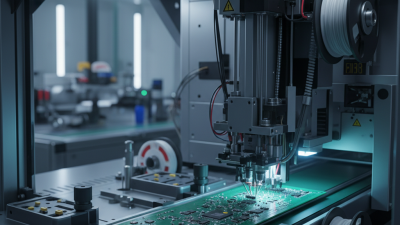
The SMD stencil printer is an essential tool in modern electronics manufacturing. It plays a crucial role in placing solder paste accurately on PCBs. According to Dr. Emily Chen, an expert in the field, "The precision of an SMD stencil printer can significantly impact the quality of the final product." This highlights the importance of understanding how these machines operate.
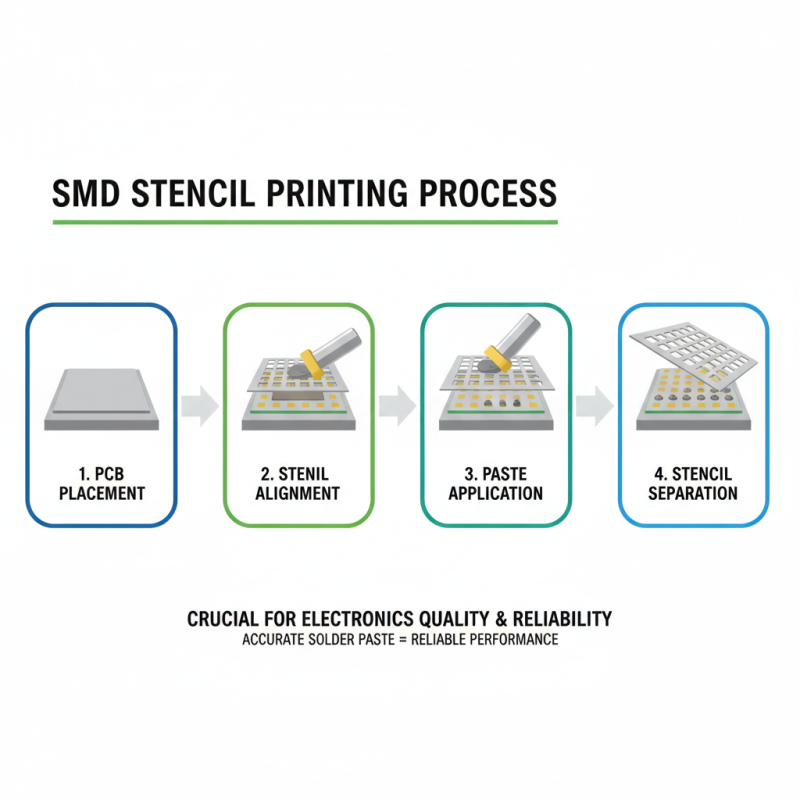
SMD stencil printers use a process that aligns stencils with the circuit boards. The printer applies solder paste through the stencil openings. While this method is efficient, it requires precise calibration. A small mistake can lead to defects in the soldering process. Companies often overlook this aspect, resulting in costly revisions.
Moreover, the design of the stencil itself influences the printer's effectiveness. Choosing the right material and thickness matters greatly. Many manufacturers still struggle with achieving consistency. Reflecting on its complexities can lead to improvements and better outcomes in production. Understanding the SMD stencil printer is vital for anyone involved in electronics assembly.
What is an SMD Stencil Printer?
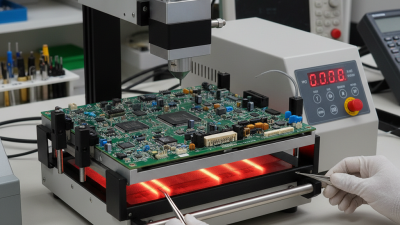
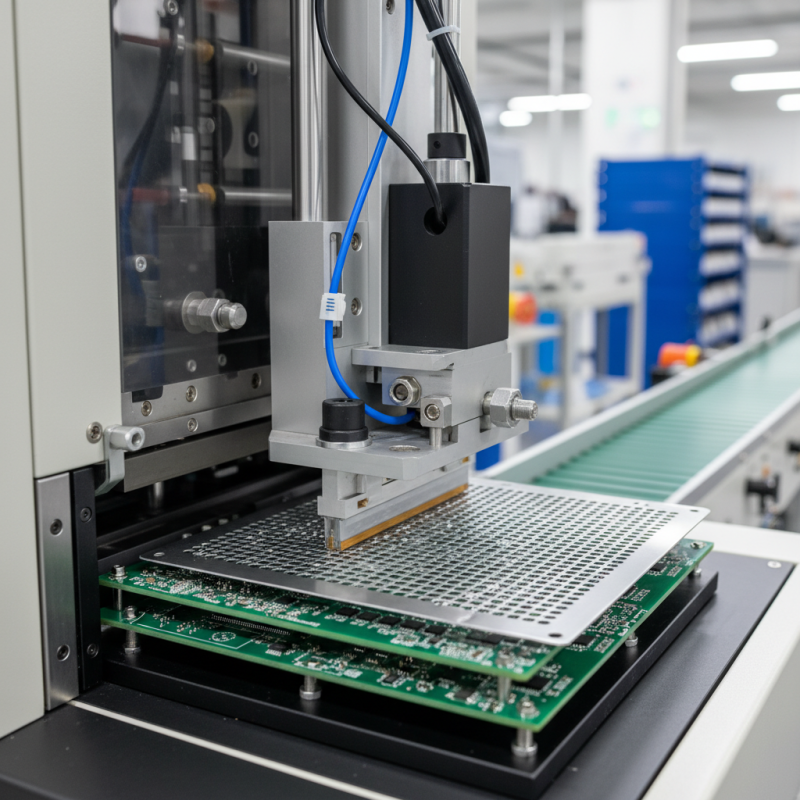
An SMD stencil printer is a specialized machine designed for applying solder paste onto printed circuit boards (PCBs). This device ensures accurate paste application, which is crucial for the assembly of surface mount devices (SMDs). The stencil is a thin sheet with openings that correspond to the pads on the PCB. When solder paste is spread over the stencil, it fills the openings and deposits the paste precisely where it is needed.
To achieve optimal results, it is essential to maintain the stencil printer properly. Clean the stencil regularly to avoid contamination. Any leftover paste can lead to defects in soldering. It's a good practice to inspect the stencil alignment before starting a print cycle. Misalignment can cause missed pads and require rework, wasting both time and resources.
Another tip is to test different printing speeds. Slower speeds can improve paste deposition but may increase cycle time. Experimenting with speed settings allows you to find a balance that suits your production needs. Remember, each PCB design may require different approaches, so stay flexible and be ready to adapt your techniques. Embracing the learning process is key to mastering stencil printing.
Key Components of an SMD Stencil Printer
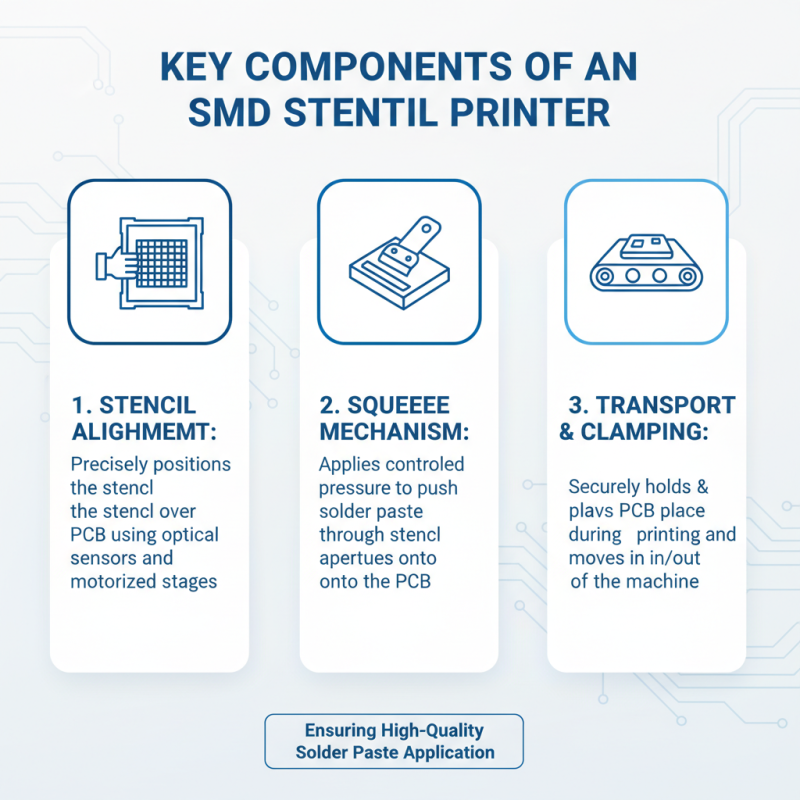
SMD stencil printers are essential in modern electronic manufacturing. They enable precise application of solder paste to PCBs, ensuring high-quality assembly. Key components of these printers play a critical role in their performance and reliability.
The stencil is perhaps the most important element. It is typically made of stainless steel or polymer. The thickness and design directly affect the paste volume and placement accuracy. A standard stencil thickness is around 0.1 mm to 0.2 mm. Reports suggest that proper stencil alignment contributes to an 85% reduction in defects, highlighting its importance.
Another crucial component is the squeegee. It comes in rubber or metal, with most manufacturers opting for a steel variant for better durability. Squeegee pressure and speed must be adjusted based on the paste type used. Studies indicate that improper pressure can lead to inconsistencies, increasing the risk of insufficient solder or bridges on components. Additionally, many machines feature an automated cleaning system, which minimizes downtime and ensures consistent quality after every cycle. The average cleaning time reported is about 15 seconds, making it a vital aspect of efficient operation.
Common Applications of SMD Stencil Printing
SMD stencil printing is essential in the electronics manufacturing industry. This process is crucial for applying solder paste on circuit boards, enabling precise component placement. In 2022, the global market for stencil printers was valued at approximately $400 million, with expectations to grow significantly over the nächsten years. This growth reflects the increasing demand for smaller and more complex electronic devices.
Common applications of SMD stencil printing include consumer electronics and automotive industries. For instance, smartphones and laptops utilize many surface mount devices (SMDs). The accuracy of solder paste application is vital; even a small error can lead to component failure. Manufacturers sometimes face challenges with paste thickness, which affects the printing outcome. A recent industry report indicated that up to 15% of boards reject due to poor soldering quality.
Moreover, SMD stencil printing is increasingly adopted in medical device manufacturing. Here, precision is not merely preferred; it is essential. Issues in this sector can have significant repercussions. Companies must continuously refine their printing techniques to avoid defects. The integration of advanced technologies, such as automated inspection systems, becomes critical to achieving high reliability in SMD assembly processes.
SMD Stencil Printing Applications and Usage
Advantages of Using SMD Stencil Printers in PCB Manufacturing
SMD stencil printers are essential in the world of PCB manufacturing. They offer notable advantages that enhance production efficiency and precision. By using these printers, manufacturers can achieve a higher degree of accuracy in solder paste application. This accuracy reduces the likelihood of defects, which can be costly in terms of time and materials.
One significant advantage is the speed at which these printers operate. They can process large volumes of PCBs quickly, significantly reducing production time. This speed can be critical in meeting tight deadlines. However, there’s a risk. If not properly calibrated, the stencil printer may apply too much or too little paste. This inconsistency can lead to production defects.
Another benefit is the uniformity of solder paste application. SMD stencil printers ensure that each PCB receives an even layer of paste. Uniformity plays a crucial role in the overall performance of the assembled board. However, achieving perfect results requires careful monitoring and regular maintenance of the printer. Neglecting this may result in unexpected variations. Awareness of these challenges can help manufacturers refine their processes and improve outcomes.
What is SMD Stencil Printer and How Does It Work? - Advantages of Using SMD Stencil Printers in PCB Manufacturing
| Feature |
Description |
Advantages |
| Precision Printing |
SMD stencil printers create precise solder paste application for PCB components. |
Enhances component placement accuracy and reduces defects. |
| Speed |
Fast printing capabilities allow for quicker production cycles. |
Increases efficiency and reduces time-to-market. |
| Versatility |
Compatible with various film thicknesses and solder pastes. |
Accommodates different PCB designs and requirements. |
| User-Friendly |
Modern SMD stencil printers come with intuitive controls and interface. |
Reduces training time and helps operators work more efficiently. |
| Cost-Effectiveness |
Lower labor costs and waste reduction in PCB manufacturing. |
Improves profit margins and business sustainability. |