What is a Smt Machine and How Does It Work?
In the world of electronics manufacturing, the SMT (Surface Mount Technology) machine plays a crucial role. According to a recent report by Grand View Research, the global SMT equipment market is projected to reach over $2.6 billion by 2025. This growth reflects the increasing demand for compact and efficient electronic devices. As John Smith, a leading expert in automated manufacturing, noted, “The SMT machine revolutionizes how components are assembled, improving accuracy and speed.”
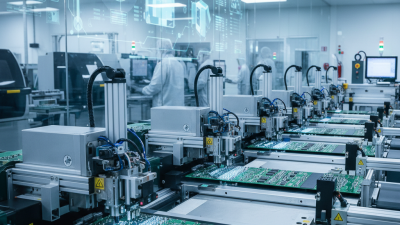
The SMT machine facilitates the assembly process by placing surface-mounted components onto printed circuit boards. This method has transformed production lines, making them faster and more cost-effective. However, not every operation utilizes SMT machines effectively. Some companies still rely on outdated techniques, leading to inefficiencies. As the industry evolves, the need for continuous improvement becomes evident.
Despite its advantages, the transition to SMT machines isn’t always seamless. Challenges such as training staff and integrating new systems can hinder progress. Manufacturers must commit to overcoming these hurdles. Investing in SMT technology can yield significant benefits, but it requires careful planning and adaptation to maximize its potential.
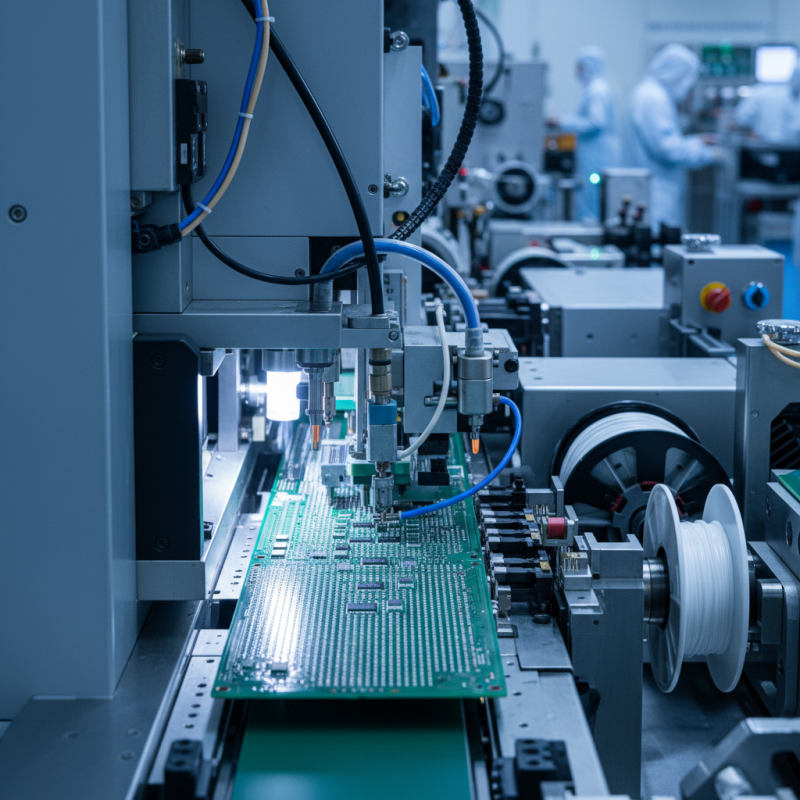
What is an SMT Machine?
Surface Mount Technology (SMT) machines are vital equipment in modern electronics manufacturing. They automate the process of placing components on printed circuit boards (PCBs). The global SMT market is growing. Reports predict a compound annual growth rate (CAGR) of over 5% by 2027. This growth is due to the increasing demand for compact and efficient electronics.
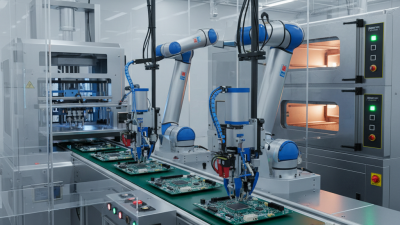
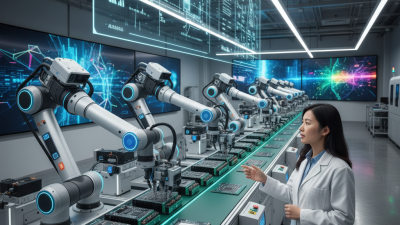
An SMT machine works by using pick-and-place technology. Specialized robotic arms place tiny components onto the PCB with high precision. These machines can handle thousands of components per hour. However, achieving this speed requires careful calibration. Misalignment can lead to defects. A report from a leading industry analyst emphasizes that a mere 0.5mm misalignment can increase failure rates significantly.
Despite advancements, SMT machines also face challenges. Complexity rises with component miniaturization. Newer components are often delicate and require specific handling. Practitioners need to train operators extensively. Errors can happen even with experienced technicians. Regular maintenance and upgrade of machines are essential but often overlooked. Investing in better technology could yield long-term benefits, yet many businesses hesitate.
Core Components of SMT Machines
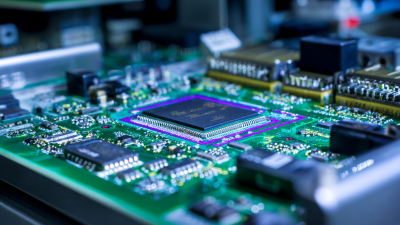
Surface Mount Technology (SMT) machines play a vital role in modern electronics manufacturing. These machines ensure efficient placement of components on printed circuit boards (PCBs). Understanding the core components of SMT machines helps grasp their functionality.
The first key component is the solder paste printer. This machine applies solder paste to the PCB in precise locations. Proper alignment is critical here, as misalignment can lead to faulty connections. An effective solder paste printer ensures a clean and accurate application.
Tips: Regular calibration helps maintain precision.
Next, there’s the pick-and-place machine. This unit picks components from their reels and places them accurately on the board. It operates at high speeds but can sometimes misplace parts. Monitoring the rate of errors can improve performance.
Tips: Periodic maintenance prevents breakdowns and ensures longevity.
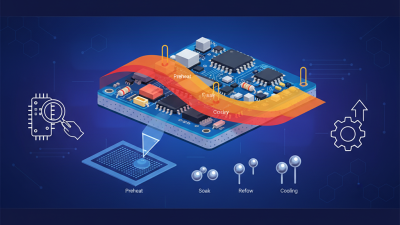
Lastly, the reflow oven heats the PCB to solder the components in place. Temperature profiles are crucial for quality solder joints. However, many users overlook the importance of uniform heating. Inconsistent temperatures can cause defects.
Tips: Invest in temperature monitoring equipment for better results.
The SMT Process: Step by Step
The Surface Mount Technology (SMT) process involves several key steps. It begins with the design of the printed circuit board (PCB). Engineers create layouts that dictate where components will be placed. This design is crucial because it affects the efficiency of the assembly process. Small mistakes might lead to significant issues later. Attention to detail during this phase is necessary for success.
Next, the placement of components occurs. A specialized SMT machine picks up tiny electronic parts. It accurately positions these parts onto the adhesive-covered PCB. The speed and precision are impressive. However, not all placements are perfect. Some parts may shift slightly, requiring adjustment. This is where human oversight adds value, ensuring quality control.
Following placement, the soldering process occurs. The PCB enters a reflow oven, where heat melts solder and solidifies connections. It’s a delicate balance; excessive heat can damage components. After cooling, the board must be inspected. Sometimes, hidden defects appear during this stage. This reflects the importance of comprehensive testing to ensure reliability before final use. Each step is vital, and the process can always improve.
What is a Smt Machine and How Does It Work? - The SMT Process: Step by Step
| Step |
Process Description |
Tools/Equipment Used |
Key Outcomes |
| 1 |
Design and Layout of PCB |
CAD Software |
Complete PCB Design |
| 2 |
Solder Paste Application |
Stencil Printer |
Accurate Paste Placement on Pads |
| 3 |
Component Placement |
SMT Pick and Place Machine |
Precise Component Placement |
| 4 |
Reflow Soldering |
Reflow Oven |
Solder Joint Formation |
| 5 |
Inspection |
Automated Optical Inspection (AOI) |
Defect Detection |
| 6 |
Final Testing |
Functional Test Equipment |
Verification of Performance |
Applications of SMT Technology
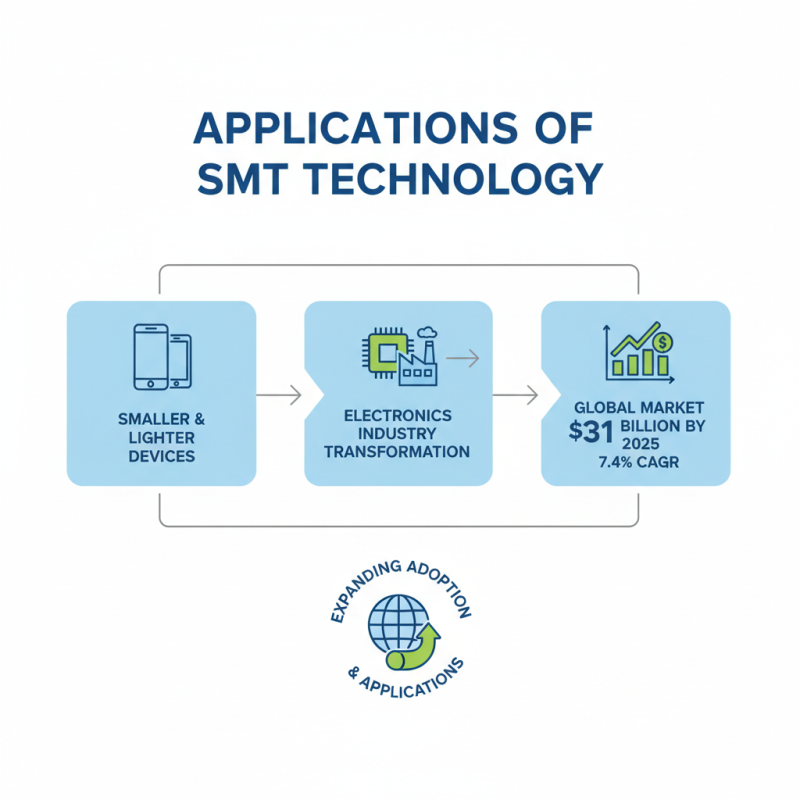
Surface Mount Technology (SMT) is transforming the electronics industry. This technology enables smaller and lighter devices. As more companies adopt SMT, the applications continue to expand. According to recent data, the global SMT market is expected to reach approximately $31 billion by 2025, growing at a compound annual growth rate of 7.4%.
One primary application of SMT is in the production of consumer electronics. Products like smartphones and laptops utilize SMT due to its efficiency. It allows for high-density component placement, which is vital in today’s compact devices. Reports suggest that around 70% of electronic components in modern gadgets use SMT. However, the complexity of SMT can present challenges. Misalignment during assembly can lead to defects.
Another noteworthy application is in automotive technology. As cars become smarter, the demand for reliable electronic systems increases. SMT plays a crucial role in enabling advanced features like lane assist and adaptive cruise control. The automotive SMT market is projected to grow significantly. The industry's reliance on high-quality standards means that even minor errors can lead to costly recalls. Companies must continually improve their processes. They need to be aware of potential pitfalls, such as component sourcing and environmental factors. Recognizing these challenges is key to success.
Benefits of Using SMT Machines in Manufacturing
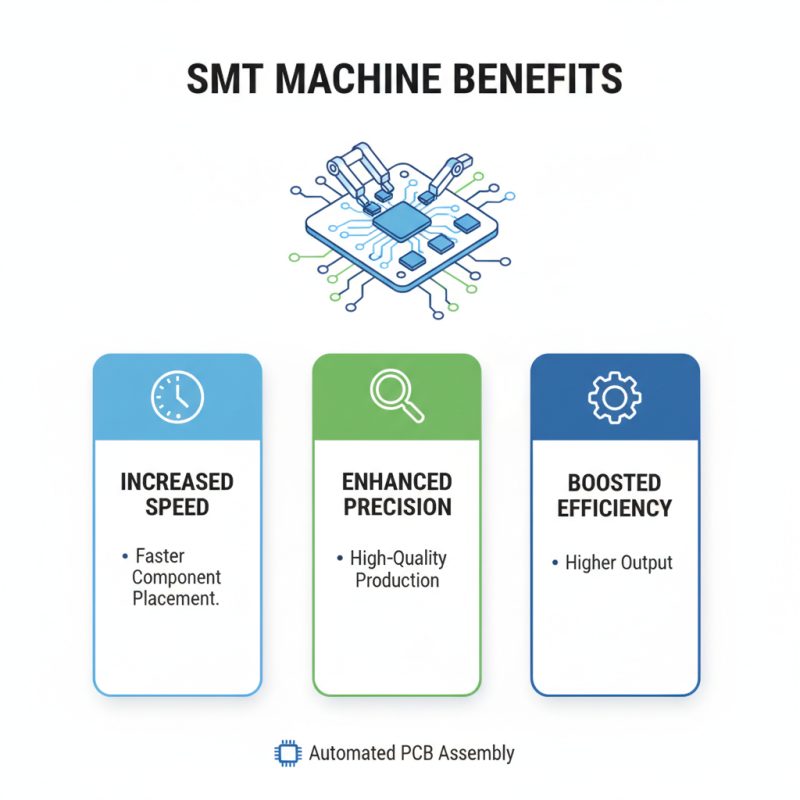
SMT machines play a crucial role in modern manufacturing. These machines automate the process of placing components on printed circuit boards (PCBs). They enhance speed and precision, which is vital for high-quality production. With the use of SMT machines, manufacturers experience increased efficiency. Production lines can achieve higher output levels in less time. This is particularly important in today’s fast-paced market.
Another benefit is the reduction in labor costs. While initial setup and training can be challenging, the long-term savings are significant. Reduced manual labor mitigates human errors. Moreover, SMT technology allows for smaller components, which can lead to more compact designs. However, the technology demands careful calibration and monitoring.
Despite their benefits, there are challenges. Maintenance of SMT machines can be complex. Regular checks are essential to avoid breakdowns. For some manufacturers, the upfront investment can feel daunting. They may question the return on investment. Balancing these factors is key to effective usage. Understanding their strengths and weaknesses can lead to better decision-making.