Top Solder Paste Printer Buying Guide for Global Importers?
In the fast-evolving world of electronics manufacturing, choosing the right Solder Paste Printer is critical. Experts like John Smith, a leading figure in PCB assembly, emphasize, "The right printer can make or break your production quality." Importers around the globe face challenges in selecting equipment that meets their specific needs.
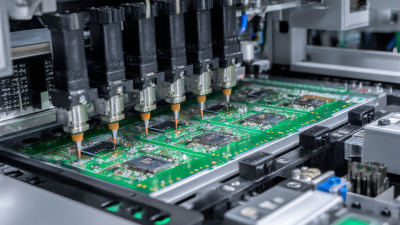
Solder Paste Printers are crucial for applying paste accurately on circuit boards. Precision, speed, and reliability are essential factors to consider. Many importers struggle with balancing cost against performance. It's vital to understand that a lower price might compromise quality. Investing in a reputable Solder Paste Printer pays off in the long run.
Additionally, not all manufacturers provide the same level of support and warranty. Knowing this helps buyers avoid costly mistakes. The landscape is complex, and importers must stay informed. They need to consider their production volume and the types of boards being printed. With the right knowledge and guidance, selecting a robust Solder Paste Printer can truly enhance manufacturing efficiency.
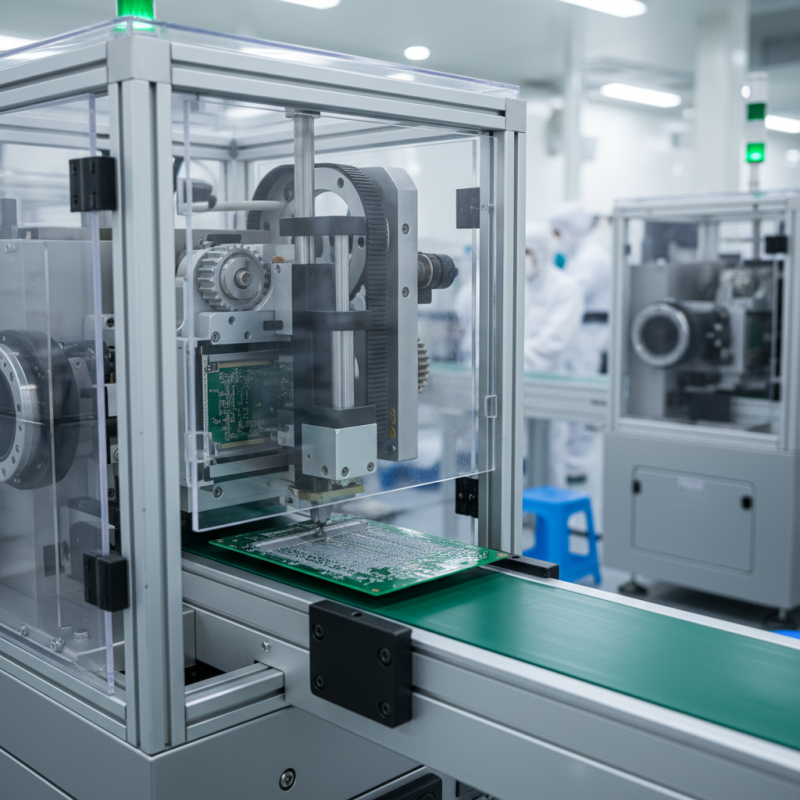
Understanding Solder Paste Printers: Key Features to Consider
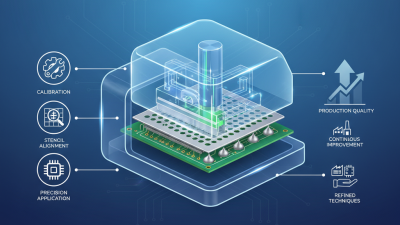
When selecting a solder paste printer, understanding key features is crucial. Look for precision in alignment and print quality. These aspects directly affect the reliability of your electronics manufacturing process. A printer with adjustable settings can offer better results for different PCB designs.
Choose a machine that supports various stencil thicknesses. This flexibility can be vital when working with a range of components. Additionally, consider the printer's build quality. A sturdy machine ensures consistent performance over time, even with heavy use.
Tips: Always assess the speed of the printer. A faster printer can increase productivity but may compromise quality. Balance is essential. Regular maintenance can help sustain performance, so plan for periodic checks and adjustments. Keep in mind that more features sometimes mean more complexity. Don’t hesitate to reflect on your team's ability to adapt.
Types of Solder Paste Printers: Manual, Semi-Automatic, and Fully Automatic
When choosing a solder paste printer, understanding the types available is crucial. The main categories are manual, semi-automatic, and fully automatic machines. Each type serves different production needs and scales. Manual printers require operators to position the PCBs and apply the paste. This method can be labor-intensive and time-consuming. However, it often allows for better control over the printing process.
Semi-automatic printers offer more convenience. These machines can assist with positioning, reducing human error. They strike a balance between manual control and automation. Operators still need to oversee the process, but productivity generally improves. They are suitable for medium-sized production runs.
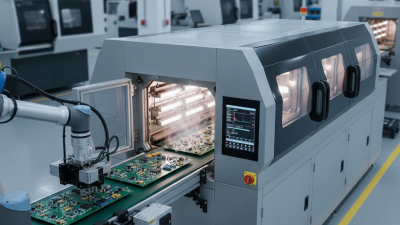
Fully automatic printers represent the latest technology in solder paste application. They require minimal human intervention. These machines can handle high-speed printing with precision. The setup can be complex, and maintenance may require specialized knowledge. It's essential for users to weigh their needs against these complexities. Each type has its strengths and weaknesses, making it vital to assess which one aligns best with your production goals.
Top Solder Paste Printer Buying Guide for Global Importers
| Type |
Description |
Advantages |
Disadvantages |
Price Range (USD) |
| Manual |
Operators manually position the stencil and apply paste. |
Cost-effective, low maintenance, good for small volume. |
Time-consuming, requires skilled labor. |
$500 - $2,000 |
| Semi-Automatic |
Combines manual and automated processes for applying paste. |
Increased efficiency, less operator error, moderate cost. |
Still requires some manual operation, higher initial cost than manual. |
$2,000 - $10,000 |
| Fully Automatic |
Full automated systems apply solder paste with minimal human intervention. |
High throughput, consistent quality, low labor cost. |
High initial investment, requires significant space and setup. |
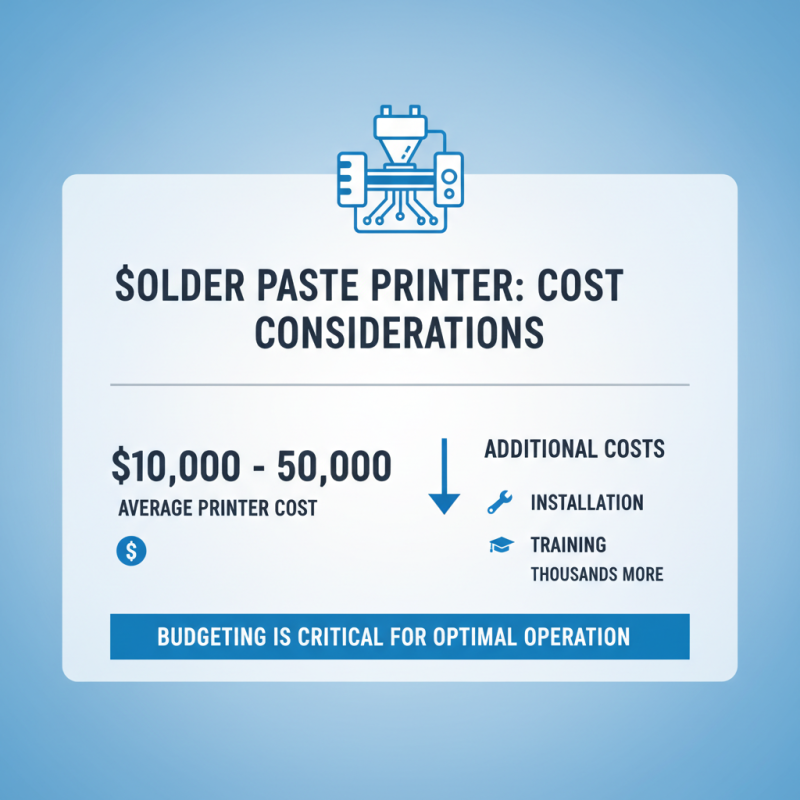
$10,000 - $50,000+ |
Evaluating Print Speed and Accuracy for Optimal Production
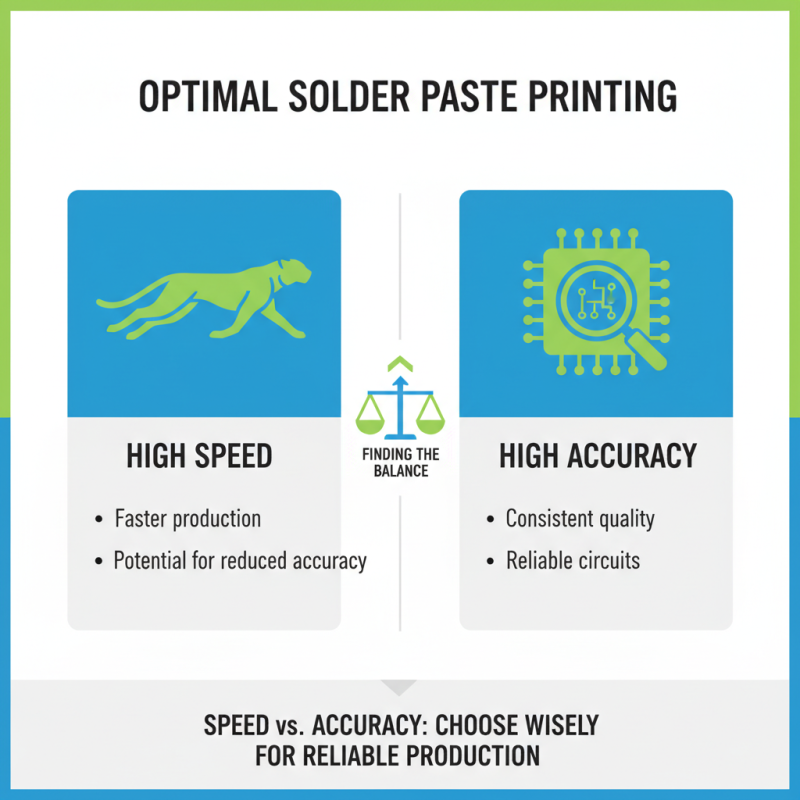
When selecting a solder paste printer, print speed and accuracy are critical elements for global importers. Higher print speeds can seem appealing, but they can compromise accuracy. A slower but more precise machine often yields better quality. It is essential to find a balance that meets your production needs while ensuring the reliability of printed circuits.
Many high-speed printers boast impressive rates, yet they may struggle with fine details. Some models may deliver fast output but miss intricate features, like tiny pads and complex layouts. This can lead to higher rejection rates, resulting in costly rework. Therefore, evaluating the machine's performance in real production scenarios is crucial. Actual testing allows importers to assess print resolution and alignment.
In addition to speed, the printer's design influences setup time and maintenance. Some machines may require frequent adjustments, impacting overall efficiency. Consider user-friendliness and support availability when making your decision. A reliable printer should minimize downtime and simplify operation, even if that means sacrificing a slight increase in speed for better overall performance.
Technology Trends in Solder Paste Printing: What to Watch For
In the fast-evolving world of solder paste printing, technology trends are crucial for importers to track. Recent reports indicate that the global solder paste market is projected to reach $3.45 billion by 2026, growing at a CAGR of 4.93%. This growth is driven by advancements in printing technologies and increasing demand for high-precision electronics.
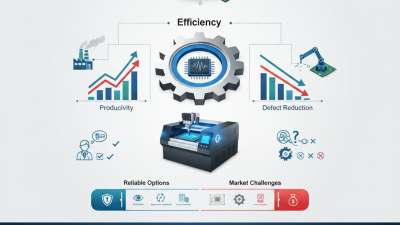
One significant trend is the rise of automation. Automated solder paste printers enhance precision and reduce human error. Industry studies show that automation can improve production efficiency by up to 30%. This advancement makes it essential for importers to consider machines with integrated automation features.
Another trend is the shift towards eco-friendly materials. Sustainable solder pastes are gaining traction, given the growing emphasis on environmental responsibility. Importers are encouraged to look for manufacturers that prioritize green materials.
Tip: Always request a sample of new materials. Testing can reveal compatibility with existing processes.
Additionally, pay attention to the importance of software integration. Modern printers offer software that streamlines workflow and provides real-time data analysis. This capability can significantly reduce downtime and enhance productivity.
Tip: Regularly update software for optimal performance. Outdated systems can lead to inefficiencies.
Investing in these technology trends can position importers ahead of competition. Embracing change today prepares you for tomorrow’s challenges.