Top 10 Pick And Place PCB Machines for Global Buyers?
Choosing the right Pick And Place PCB Machine is crucial for electronics manufacturers. This decision impacts efficiency, quality, and cost. Numerous options exist, each with unique features tailored to different needs. Understanding these machines is vital for making informed choices.
The top ten machines highlighted in this article cater to a variety of buyers globally. Each machine offers distinct advantages, such as speed, precision, and flexibility. Buyers must consider their specific requirements, like production volume and the complexity of assembly processes.
Importantly, this industry evolves rapidly. Trends in technology and design necessitate regular updates in your machinery choices. While no machine is perfect, understanding strengths and weaknesses helps refine decisions. The goal is to enhance production while ensuring reliable output.
Understanding Pick and Place PCB Machines: An Overview
Understanding Pick and Place PCB Machines: An Overview
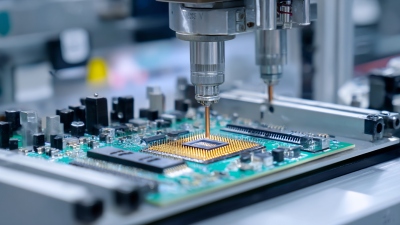
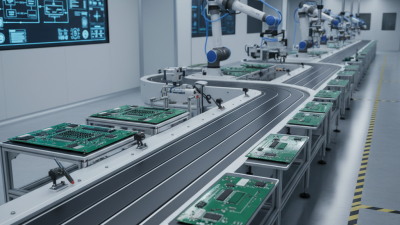
Pick and place machines are essential in PCB assembly. They automate the process of placing components accurately on printed circuit boards. These machines are crucial for both small-scale and large-scale production. Their speed and precision directly impact the overall efficiency and quality of electronic devices.
When choosing a pick and place machine, consider factors like production volume and component types. Look for machines that can handle a diverse range of components. Additionally, user-friendly interfaces are important for operators. Training is necessary, as improper use can lead to mistakes, affecting production.
Tips: Regular maintenance enhances machine durability. Schedule routine checks to prevent breakdowns. Operators should also be trained to identify common errors. This can significantly reduce waste and ensure a smoother workflow. Using software for monitoring can improve accountability.
Monitoring innovation in the industry is vital. As technology evolves, newer machines may offer better features. Keep an eye on these advancements to stay competitive. Always assess the reliability of sources when gathering information on new technologies. Collect feedback from fellow operators to understand the evolving needs of the market.
Top 10 Pick And Place PCB Machines for Global Buyers
| Rank |
Model |
Speed (CPH) |
Accuracy (%) |
Placement Range (mm) |
Price (USD) |
| 1 |
Model A |
3000 |
99.5 |
0402 - TQFP100 |
$50,000 |
| 2 |
Model B |
2500 |
99.0 |
01005 - BGA |
$35,000 |
| 3 |
Model C |
3500 |
99.8 |
0201 - BGA |
$60,000 |
| 4 |
Model D |
2700 |
98.5 |
0402 - QFN |
$45,000 |
| 5 |
Model E |
4000 |
99.7 |
01005 - BGA |
$70,000 |
Key Features to Consider When Choosing a PCB Machine
When selecting a PCB pick and place machine, several key features are essential for ensuring efficiency and reliability.
One crucial factor is the machine's speed. A recent industry report indicates that high-speed machines can place components at rates exceeding 30,000 parts per hour. This high throughput is vital for meeting production demands. Additionally, the accuracy of placement is critical. Machines that achieve ±0.01 mm accuracy can significantly reduce the rate of defects.
Another important aspect is the machine's flexibility. As the market evolves, the ability to handle various component sizes and types is essential. Many modern machines offer interchangeable heads that allow for quick adjustments between different component configurations. This adaptability can streamline production lines that require versatility.
Tip: Always consider the software that supports the machinery. User-friendly interfaces can drastically reduce training time for operators.
Lastly, the machine’s maintenance needs should not be overlooked. Frequent downtimes can adversely affect overall productivity. Regular maintenance schedules and easy access to parts for repairs are worth considering.
Tip: Look for machines with remote diagnostics. They can provide timely alerts, ensuring issues are dealt with before they escalate.
Top 10 Pick and Place PCB Machines for 2023
In 2023, the demand for advanced pick and place PCB machines has surged. These machines play a crucial role in the electronics manufacturing sector. They increase efficiency and accuracy in placing components on printed circuit boards. Global buyers seek technologies that maximize productivity while minimizing costs.
When selecting a PCB machine, consider its features. Look for high-speed placement capabilities and versatile component handling. Implementing a machine with software that offers intuitive controls can reduce training time. This helps new operators become proficient quickly.
Tips: Always check customer reviews and expert opinions. Assess how long the manufacturer has been in the industry. Choose companies with a solid reputation for customer support. Refresh your understanding of machine maintenance to ensure longevity. Regular upkeep can prevent costly breakdowns. Machines may have excellent specifications but can underperform without proper care. Always be ready to adapt and learn. Embrace changes in technology to stay competitive.
Comparison of Global Manufacturers: Quality and Pricing
When looking at top pick and place PCB machines, quality and pricing are crucial. A recent report from MarketsandMarkets indicates the global PCB assembly equipment market is projected to reach $1.1 billion by 2025. This growth reflects increased demand for automation in manufacturing. Buyers need to consider both the performance and price of the machines they choose.
Many manufacturers stress the importance of accurate placement capabilities. For instance, machines with higher precision tend to yield better production outcomes. However, they may come with a hefty price tag. According to a study by TechNavio, the average cost of high-end machines can be 30-40% greater than mid-range options. Assessing whether these features justify the extra expense is vital.
Tip 1: Evaluate the machine’s specifications closely. Focus on placement speed and accuracy metrics. This will help in making an informed choice.
It's essential to balance cost and quality effectively. Some lower-priced models promise high speeds, but they can compromise on precision. This might lead to increased error rates. Frequent calibration could incur additional costs as well.
Tip 2: Consider future scalability when choosing a machine. Upgradable systems may save money over time, even if the initial investment is higher.
Markets are increasingly competitive. Therefore, understanding the value proposition of each model helps buyers navigate potential pitfalls.
Maintenance Tips for Enhanced PCB Machine Performance
Regular maintenance of Pick and Place PCB machines is vital for optimal performance. These machines operate under high precision, and wear can affect their accuracy.
Check the nozzle condition frequently. A worn-out nozzle may cause improper placement of components. Clean the nozzles regularly to prevent buildup.
Dust and debris can hinder performance, so maintaining a clean workspace is essential.
Calibration is another key maintenance task. Misalignment can lead to errors in component placement. Regularly inspect the alignment to ensure the machine operates correctly.
This practice can save time and materials. Keep an eye on the machine's software updates too.
Outdated software can slow down your process.
Operator training plays a significant role. Ensure that staff understands how to troubleshoot common issues.
Encourage regular feedback about machine operations. This can help identify recurring problems early. Completing these maintenance tasks is not always straightforward. However,
sticking to a routine can greatly enhance machine reliability.