Top 10 Bga Rework Station Options for Efficient Electronics Repair?
In the rapidly evolving electronics repair industry, the role of the BGA Rework Station is pivotal. According to a recent report by Market Research Future, the BGA rework market is projected to grow by 12% annually, reflecting an increasing demand for efficient repair solutions. As stated by industry expert Dr. Emily Chen, "A reliable BGA Rework Station can dramatically reduce downtime, enabling quicker product turnarounds."
However, not all BGA Rework Stations deliver the same efficiency levels. There's often a gap between expectations and reality in repair processes. Many technicians find themselves grappling with inadequate equipment, leading to longer repair times and increased frustration. The integration of advanced tools, such as AI-driven features in the recent editions of manufacturing equipment, is a step forward. Still, the challenge remains for users to adapt to these innovations effectively.
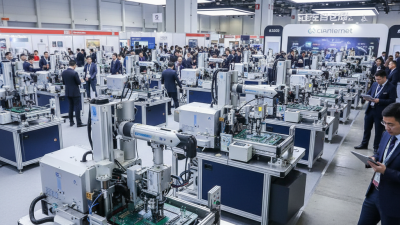
Additionally, events like the upcoming Canton Fair in 2026 will showcase the latest in electronics manufacturing. The introduction of smart navigation and AI tools there hints at a future where finding the right BGA Rework Station could be seamless. However, professionals should remain critical of the information presented and verify that solutions truly meet their operational needs.
Overview of BGA Rework Stations and Their Importance in Electronics Repair
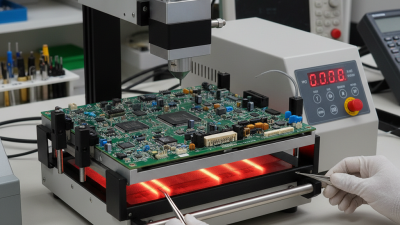
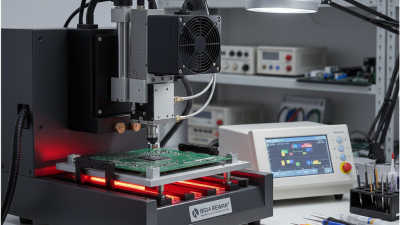
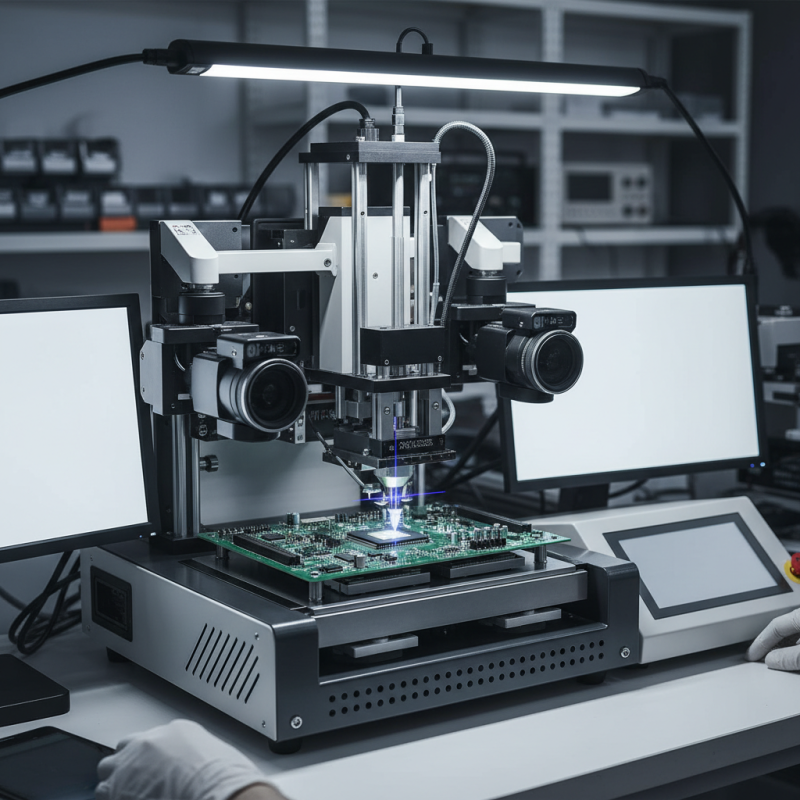
BGA rework stations play a vital role in electronics repair. They allow engineers to effectively replace or repair ball grid array (BGA) components. These components are small but crucial for device functionality. A well-designed rework station provides precise heating and cooling, essential for effective soldering. The right station can significantly reduce the chance of damage during repairs.
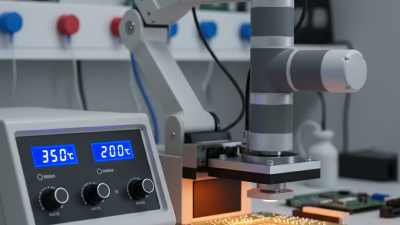
Tips for selecting a BGA rework station: consider the temperature control features. Accurate temperature settings are key to ensuring proper soldering. Also, look for a station with an adjustable hot air nozzle. This allows for better focus on the component being worked on. Ease of use is important too. A user-friendly interface can enhance your efficiency.
Reflecting on your experience is also crucial. Sometimes, even with the right tools, mistakes happen. It’s important to learn from any missteps. Document what worked and what didn’t. This ongoing process improves your skills over time. Pay attention to the fine details; they often make a big difference.
Key Features to Look for When Choosing a BGA Rework Station
When selecting a BGA rework station, consider the key features that will enhance your repair efficiency. Temperature control is crucial. A precise temperature range ensures soldering is accurate. Look for stations with programmable profiles. These profiles can help automate different processes, saving time and minimizing errors.
The vacuum pickup tool is another vital feature. It allows for the safe handling of BGA components. A reliable tool can prevent damage during installation. It’s essential to ensure the tool has adjustable suction capabilities. This flexibility can accommodate various component sizes.
Additionally, the station’s size should align with your workspace. A compact design is beneficial for smaller areas. On the other hand, larger stations may offer more features but can take up unnecessary space. Consider the overall setup and how it affects your workflow. Balancing the features with your needs is important. There's always room for improvement in your workspace arrangement and tool selection.
Top Brands and Models of BGA Rework Stations Reviewed
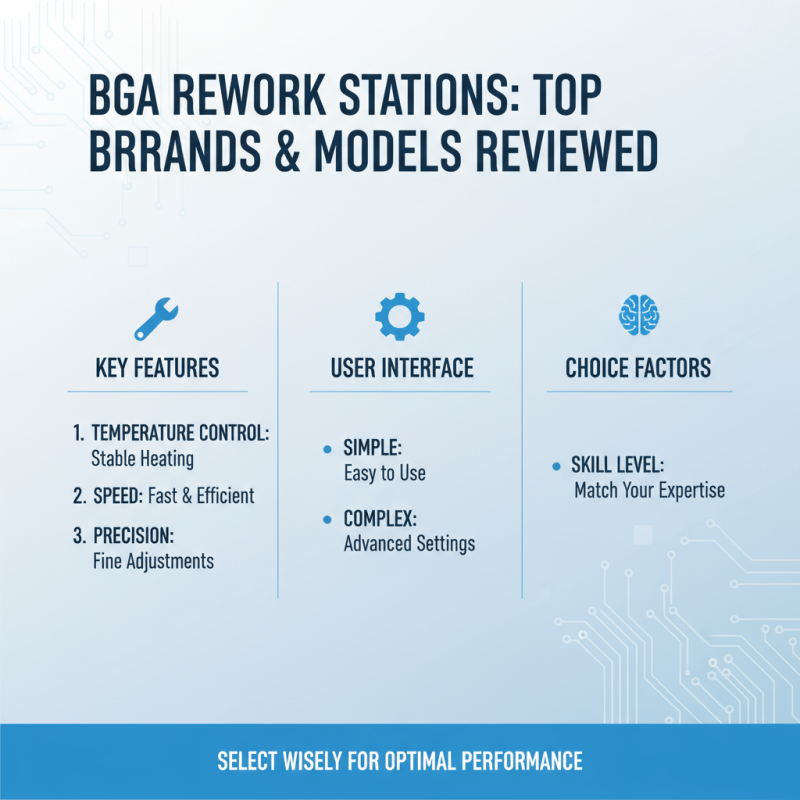
When selecting a BGA rework station, several factors come into play. Key features include temperature control, speed, and precision. A good station provides stable heating and allows for fine adjustments. Models vary widely in terms of their user interface. Some stations are overly complex, while others are refreshingly straightforward. It's essential to choose one that fits your skill level.
User reviews often highlight performance. Some stations excel in heat distribution but fall short in board alignment. Others may struggle with specific components but work well on common repairs. Pay attention to these details. Quality should not be judged only by the price tag. It's easy to be swayed by flashy designs but functionality should always come first.
Consider the level of support provided as well. Documentation can be sparse for some options, leaving users to fend for themselves. This lack of guidance can lead to frustration during initial setup. It’s crucial to ensure you have access to manuals or online resources. This aspect can alter your repair experience significantly. A well-supported system might save you time and headaches in the long run.
Step-by-Step Guide to Operating a BGA Rework Station Efficiently
Using a BGA rework station can significantly enhance your electronics repair process. Start by ensuring your workstation is clean and organized. Gather all necessary tools and components before beginning any repairs. A clutter-free space helps maintain focus and efficiency.
When operating the station, monitor the temperature closely. It’s easy to overheat components, leading to damage. Adjust the heat settings based on the specific requirements of the PCB you’re working on. It's a learning curve, so don't be disheartened by mistakes. Every failed attempt teaches you something valuable.
**Tips:** Always practice on scrap boards. This builds confidence and skill without risking valuable parts. Keep a detailed log of your adjustments and outcomes. This reflection can help refine your technique over time. Continually assess your approach and make necessary adjustments to improve results.
Top 10 BGA Rework Station Options for Efficient Electronics Repair
| Model |
Temperature Control |
Nozzle Size (mm) |
Features |
Price Range (USD) |
| Model A |
± 1°C |
0.3 - 1.5 |
Digital Display, Adjustable Timer |
500 - 700 |
| Model B |
± 2°C |
0.4 - 1.6 |
Multiple Nozzles, Fast Heating |
400 - 600 |
| Model C |
± 1.5°C |
0.3 - 2.0 |
Infrared Heating, User-Friendly Interface |
800 - 1,000 |
| Model D |
± 1°C |
0.5 - 1.8 |
PID Control, LCD Screen |
600 - 800 |
| Model E |
± 3°C |
0.2 - 1.2 |
Compact Design, Easy Maintenance |
300 - 500 |
Maintenance Tips for Prolonging the Lifespan of BGA Rework Stations
To prolong the lifespan of BGA rework stations,
regular maintenance is essential. Dust and debris collect in the machine's inner workings, leading to
problems. Clean the station regularly with compressed air.
Ensure that all components are free of any buildup. Neglecting this step may lead to
overheating or malfunction.
The soldering tips can wear out quickly. Inspect them frequently so you can replace them when signs of damage appear.
A worn tip can affect heat distribution. Use
high-quality solder to minimize deterioration.
It may seem tempting to cut costs, but this often backfires, leading to more repairs.
Calibration is vital for accurate repairs.
Create a schedule to check temperature settings. Minor deviations can cause significant issues.
Pay attention to how the machine operates. If something seems off, troubleshoot right away.
Ignoring small problems can lead to a larger failure eventually.
Each of these steps can greatly enhance your BGA rework station's longevity.