Top 10 BGA Rework Stations for Precision Electronics Repair?
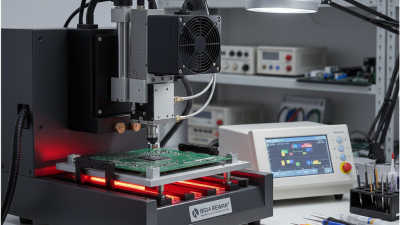
In the ever-evolving world of precision electronics repair, the significance of the BGA Rework Station cannot be overstated. According to Dr. Emily Chen, a recognized expert in electronics manufacturing, "The right BGA Rework Station dramatically enhances repair accuracy and efficiency." Her insights underline the importance of choosing the best tools for successful repairs.
The demand for BGA Rework Stations has surged as electronics become more complex. Many technicians grapple with selecting the ideal station for their specific needs. Choosing a high-quality station can be daunting, as the market is flooded with options. Not all stations guarantee precision, which can lead to costly errors.
Amid the advancements in technology, some rework stations fall short of expectations. Users often find that not every model lives up to the claims made by manufacturers. Thus, it's essential to consider trusted reviews and expert opinions. Evaluating the best BGA Rework Stations involves looking beyond specifications. It encompasses real-world performance and usability.
Overview of BGA Rework Technology in Precision Electronics
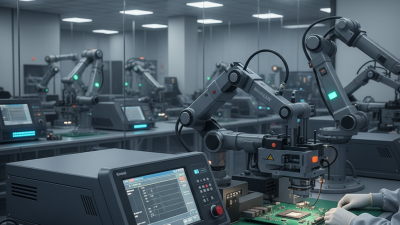
BGA rework technology has transformed precision electronics repair dramatically. With the increasing complexity of modern electronic devices, effective rework strategies are essential. According to industry reports, the global BGA rework market is projected to grow by 5.8% per year, reflecting its critical role in manufacturing and repairs.
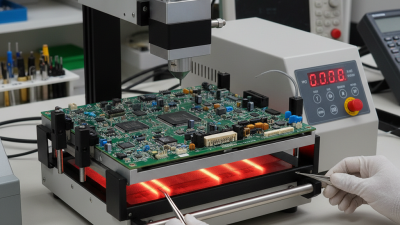
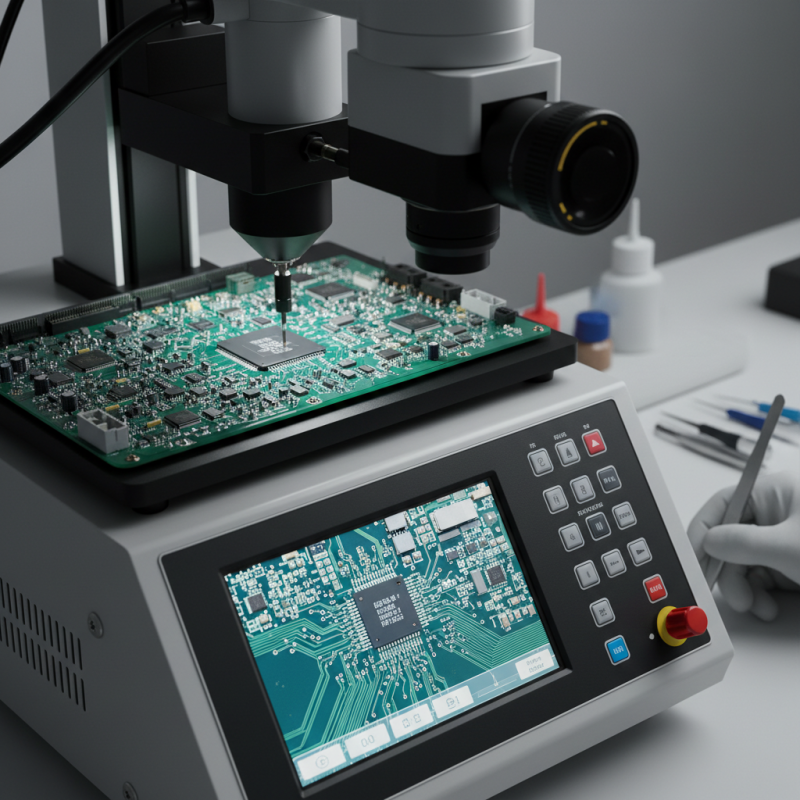
One major technique involves using hot air to soften solder joints, enabling precise removal and replacement of BGA components. This method requires skilled technicians who understand thermal profiles and can manage heat distribution around sensitive components. Mismanagement can lead to component damage or substrate warping. Various studies suggest that improper rework results in a 12% failure rate in repaired boards, underscoring the need for trained professionals.
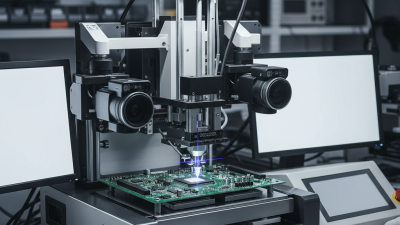
Advancements in rework stations have introduced automatic alignment features. This is a keystone in increasing precision. However, reliance on technology may lead to complacency. A skilled technician's expertise still plays a vital role in achieving high-quality repairs. Data indicates that 30% of repair issues stem from operator errors. As such, balancing technology with human skill remains a challenge in this domain.
Criteria for Selecting the Best BGA Rework Stations
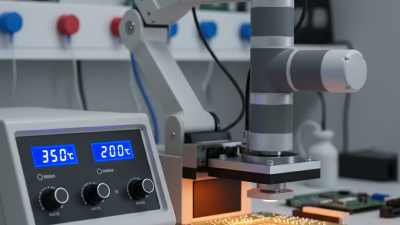
When selecting a BGA rework station, precision is crucial. The rework station must offer consistent temperature control. An even heat distribution allows for efficient soldering and desoldering.
Additionally, consider the size of the work area. A larger workspace can accommodate various board sizes and configurations.
Another key factor is the station's versatility. It should allow for multiple types of BGAs and other components. A station that can adapt to different soldering techniques enhances its usability. Look for a model with adjustable settings. This feature can help address various repair challenges.
User reviews provide valuable insights. Some might find certain models difficult to master. This feedback can inform your choice. Not every feature will suit your needs. Prioritize what you require for your projects. Balance between functionality and complexity is essential.
Top 10 BGA Rework Stations: Features and Specifications
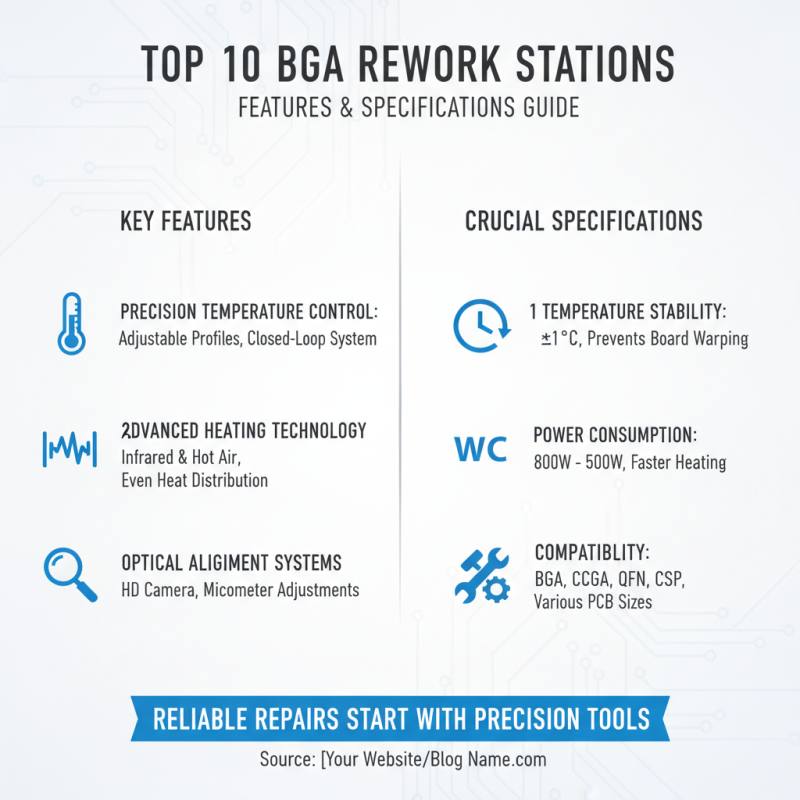
When considering BGA rework stations, precision is key. These tools are crucial for repairing complex circuit boards. Look for stations that offer advanced features like adjustable temperature control and infrared heating. Good temperature stability ensures even heating, essential for reliable repairs.
User-friendly interfaces are vital for efficiency. Operators should find it easy to navigate through settings and adjustments. Skilled technicians often recommend stations with programmable profiles. This feature allows for repeated tasks with consistent results. However, not all stations deliver on promises. Some may struggle with fine pitch components.
Weight and build quality also matter, impacting stability during operation. A heavier station may reduce vibrations, enhancing precision. Verifying the compatibility with various PCB sizes is crucial. Limitations may arise if the station cannot accommodate different board dimensions. Users need to analyze their repair needs before making a choice. Understanding every station’s strengths and weaknesses plays a significant role.
Comparison of Performance and Efficiency Among Leading Stations
When selecting a BGA rework station, performance and efficiency are key. Precision repairs require a balance of heat control and speed. Each station has unique features that cater to different needs. Consider the temperature range, airflow adjustment, and real-time monitoring capabilities. These factors directly impact the quality of the repair.
Tip: Always calibrate your equipment before use. This ensures consistent results. Regular maintenance extends the lifespan of your station. Check for any dirt or obstruction in the nozzles to maintain optimum performance.
Comparing leading stations reveals differences in their heating technology. Some devices utilize infrared heat, while others rely on hot air. Each method has pros and cons. Reflecting on your specific repair needs will help you choose wisely. Efficient heat distribution can significantly minimize the risk of damaging surrounding components.
Tip: Invest in good-quality soldering materials. This can make a noticeable difference in your repair outcomes. Using subpar products often leads to rework, which consumes time and resources. Take the time to research and choose wisely.
Top 10 BGA Rework Stations: Performance and Efficiency Comparison
User Reviews and Industry Feedback on BGA Rework Stations
When it comes to BGA rework stations, user reviews and industry feedback are invaluable. Many technicians highlight the importance of precision in electronics repair. An effective rework station should allow for controlled heat application. This prevents damage to sensitive components. Users often mention the ease of use and functionality. These factors can significantly affect repair outcomes.
Some feedback points out inconsistencies in temperature control among different models. This can lead to frustration during repairs. A few technicians noted issues with the reliability of the machines over time. They stressed that a good rework station should maintain performance without frequent calibration. Moreover, noise levels during operation can be distracting. It's essential for a workspace to remain conducive to focus.
In summary, user experiences reveal both commendable features and areas needing improvement.
Attention to detail matters greatly in precision work. As technicians emphasize, learning from past mistakes can enhance future repairs. Choosing the right BGA rework station impacts not just efficiency but also the quality of the repair jobs achieved.