Top 10 Radial Insertion Machines for Global Buyers?
The demand for efficient manufacturing solutions has led to significant innovations in the field of automated equipment. Radial Insertion Machines are at the forefront of this trend, revolutionizing how components are placed in printed circuit boards (PCBs). According to industry reports from market research firms like Technavio, the global PCB market is projected to reach $100 billion by 2025, reflecting a growing reliance on automation.
Radial Insertion Machines enhance productivity while ensuring precision. These machines streamline the assembly process, which is crucial in today’s fast-paced manufacturing environments. However, the rapid advancement in technology often leaves gaps in operational training and understanding. It is vital for buyers to not only assess machine capabilities but also consider after-sales support and maintenance requirements.
While many manufacturers offer a range of Radial Insertion Machines, major players like JUKI, Yamaha, and Universal Instruments are particularly noted for their innovation and reliability. Still, potential buyers should weigh their options carefully. Understanding one's specific needs is key; overlooking this can lead to inefficiencies and increased costs.
Overview of Radial Insertion Machines and Their Applications
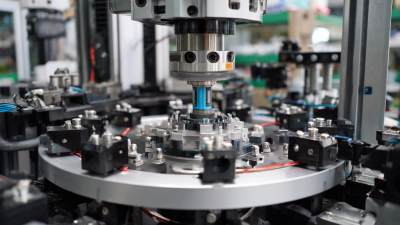
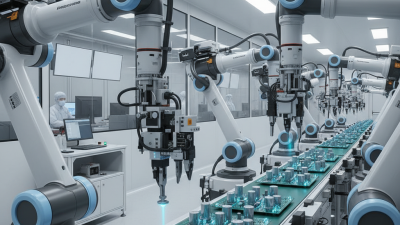
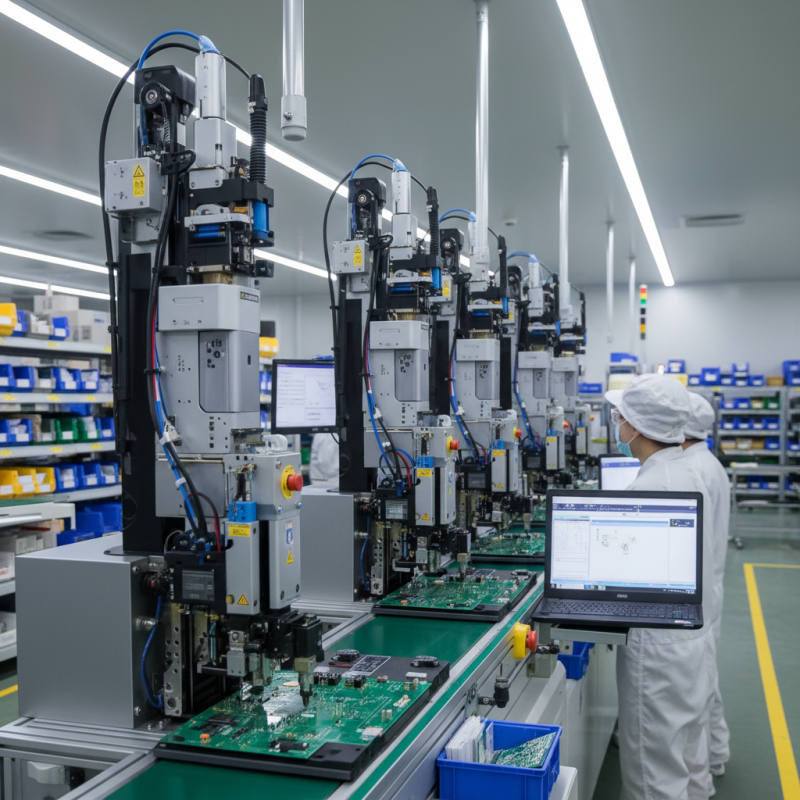
Radial insertion machines play a crucial role in modern manufacturing. These machines efficiently insert components into printed circuit boards (PCBs), enhancing assembly speed and precision. The automation provided by radial insertion machines helps reduce labor costs. They are essential in industries like electronics, automotive, and medical devices.
Understanding the applications of these machines is vital. They are particularly beneficial for high-volume production runs. The machines can handle various component types, ensuring flexibility. Additionally, their compact design often saves valuable production floor space. Yet, integrating these machines into existing systems can pose challenges. Manufacturers need to consider compatibility and training for effective operation.
Moreover, selecting the right machine requires assessing specific needs. Different industries may have unique requirements that influence choices. The initial cost may be higher, but the return on investment can be significant. Potential buyers should evaluate performance metrics carefully. However, relying solely on specifications may overlook practical challenges. Balancing performance with usability is essential for optimal results.
Key Features to Consider When Choosing a Radial Insertion Machine
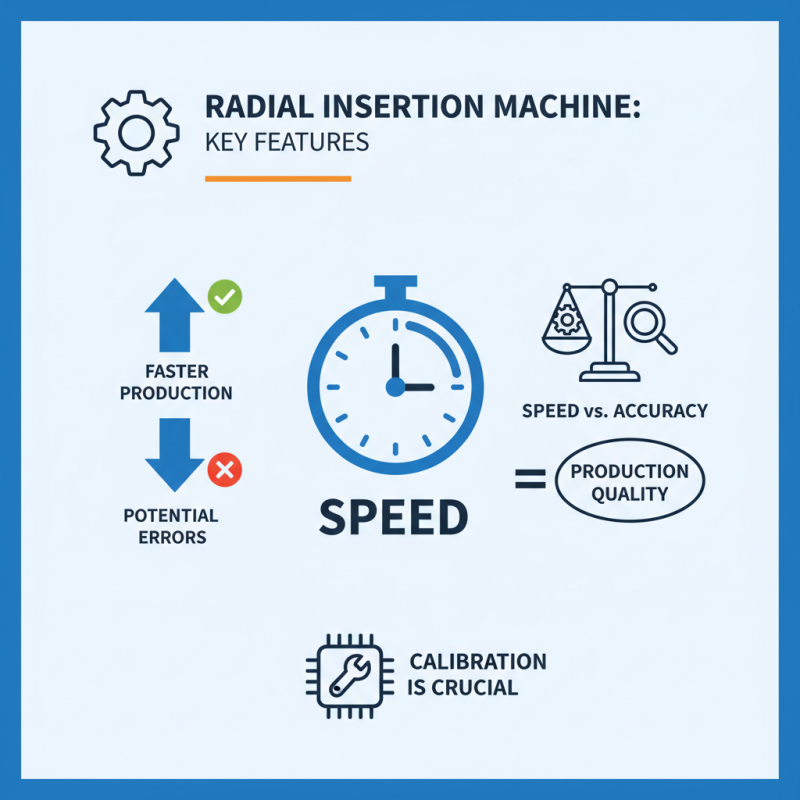
When choosing a radial insertion machine, several key features can significantly affect your decision. The machine's insertion speed is crucial. A faster machine can increase productivity but may also lead to errors if not calibrated properly. It’s essential to find a balance between speed and accuracy to maintain quality in production.
Another important aspect is the machine’s compatibility with various component sizes. A versatile machine can handle different components, making it easier to adapt to changing production demands. The ease of setup and operation also contributes to efficiency. A complicated user interface can slow down the workflow, while an intuitive design enhances usability and minimizes training time.
Moreover, consider the machine’s maintenance requirements. Machines with frequent maintenance can lead to downtime, affecting overall output. Look for machines that offer user-friendly maintenance routines. Lastly, the availability of customer support and spare parts is vital. Accessible support ensures that any issues can be quickly addressed, maintaining the reliability of your production line.
Top 10 Radial Insertion Machines on the Market Today
Radial insertion machines are crucial in many manufacturing processes, particularly in electronics. These machines efficiently insert components into printed circuit boards. Their speed and precision drive productivity in factories worldwide. With a variety of features, modern models streamline the assembly process, reducing manual labor and errors.
Current models offer advanced features such as automated loaders and integrated testing systems. These additions enhance reliability, but they can also complicate maintenance. Users often face challenges while adapting to new technology. A machine might boost production rates but can also lead to higher training costs. Finding the right balance between innovation and practicality is essential.
Buyers should consider the machine's compatibility with existing systems. It's important to assess operational ease and support services. Variance in user experiences highlights the need for thorough research. A model that works for one factory may not be ideal for another. Identifying specific requirements before purchase can save time and resources in the long run.
Top 10 Radial Insertion Machines - Performance Comparison
Comparative Analysis of Performance and Efficiency of Top Machines
In the competitive world of manufacturing, radial insertion machines play a crucial role. Their performance and efficiency vary widely across different models. Buyers need to understand these nuances to make informed decisions. Analyzing the average speed of these machines can reveal significant differences. For instance, some machines can operate at speeds over 400 parts per hour, while others struggle to reach 200.
Efficiency also hinges on several factors, including energy consumption and maintenance requirements. Machines that operate robustly often use advanced technology but may come with higher energy costs. Conversely, basic models that are easier to maintain might not deliver the same production rate. This trade-off needs careful consideration by potential users.
Moreover, unintended downtime can affect overall productivity. Some machines are prone to frequent adjustments, complicating operational flows. It's essential to assess not just initial costs but also long-term reliability. Collecting feedback from current users can provide real insights. Evaluating performance against expectations fosters a better understanding of each machine's true capabilities.
Buyer Considerations: Budget, Maintenance, and Support Services
When choosing radial insertion machines, it’s crucial to consider your budget. Prices can vary significantly based on features and technology. Set a clear budget to avoid overspending. Research different models that fit your price range. Sometimes, cheaper options come with hidden costs. Always calculate long-term expenses beyond the initial purchase.
Maintenance is another key factor. Regular upkeep is essential to keep machines running smoothly. Poor maintenance can lead to downtime, impacting productivity. Make sure to ask about maintenance requirements before buying. Some machines require more frequent servicing than others. This could affect operational efficiency.
Tip: Look for machines with user-friendly interfaces. Staff training may be needed, affecting overall costs. Ensure the manufacturer provides comprehensive support services. Reliable customer service can save time and reduce frustration. Explore warranty options carefully. A good warranty can be a safety net against unexpected repairs. Assessing these aspects will guide a more informed purchase decision.