China Top Surface Mount Smt Suppliers for Global Buyers?
In the rapidly evolving world of electronics, "Surface Mount Smt" technology plays a critical role. Industry expert Dr. Alan Chen states, "Surface Mount Smt is no longer just an option; it's a necessity." His perspective reflects the increasing dependency on Smt components in modern device manufacturing. Global buyers are in search of the top suppliers who can deliver quality and reliability.
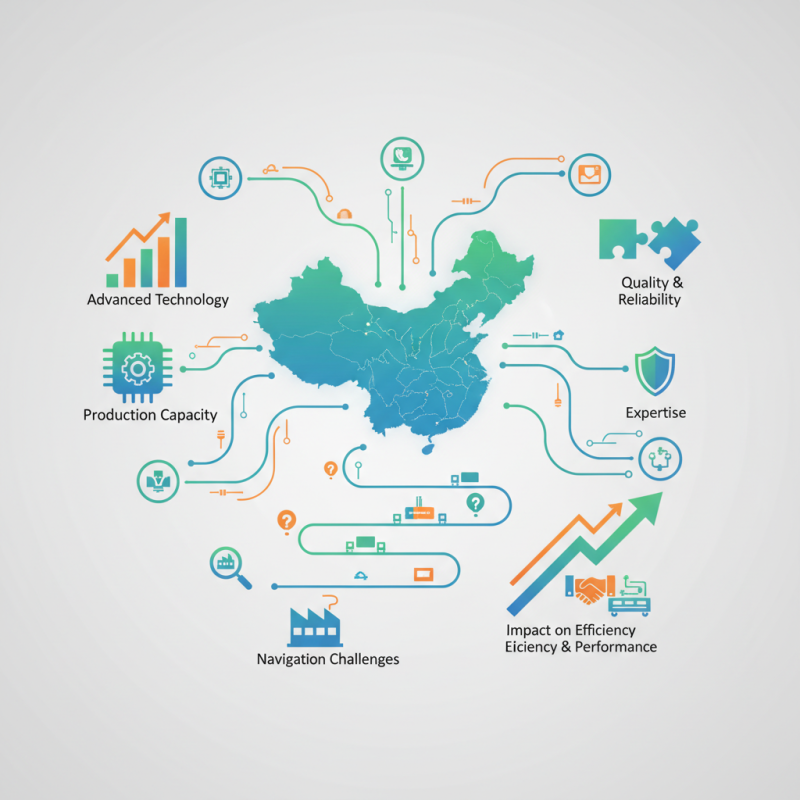
China has emerged as a key player in the Surface Mount Smt market. The country's suppliers offer a range of products equipped with advanced technology. Yet, it is essential for buyers to navigate this landscape carefully. Not all suppliers provide the same quality assurance and support. It's crucial to assess their expertise and reputation.
While many Chinese suppliers excel, there are still areas needing improvement. Issues like quality control and supply chain management often arise. Global buyers must remain vigilant. They should investigate suppliers thoroughly to ensure they meet their specific needs in Surface Mount Smt. In this competitive industry, making the right choice can significantly impact production efficiency and product performance.
Top Criteria for Choosing SMT Suppliers in China
When selecting surface mount technology (SMT) suppliers in China, several key criteria stand out. Buyers should prioritize
experience in the industry. Suppliers with years of experience often demonstrate an understanding of complex manufacturing challenges.
This expertise can translate into better quality control and product reliability.
Another important factor is the technological capability of the supplier. Advanced equipment and software can significantly enhance
production efficiency. Suppliers that invest in the latest technologies are likely to produce superior products. It's also beneficial to assess their
certifications, as these reflect adherence to international quality standards.
Buyers must consider communication and support as well. Clear channels of communication ensure that any issues can be
addressed promptly. Having a responsive supplier can prevent costly delays. However, not all suppliers maintain consistent communication, leading to
misunderstandings. This highlights the need for careful evaluation of potential partners. It’s essential to balance
cost and quality without compromising on the overall service experience.
Leading SMT Suppliers in China: An Overview
The surface mount technology (SMT) market in China has experienced significant growth. Reports indicate that the global SMT market will reach $82.8 billion by 2026, driven by increasing electronics demand. Leading SMT suppliers in China play a vital role in this expansion. They support a wide range of industries, from automotive to consumer electronics, ensuring high-quality assembly services.
Chinese SMT suppliers are known for their competitive pricing and efficiency. In 2022, the industry saw an increase of 15% in production rates. However, quality control remains a concern. Some suppliers struggle to maintain consistency in production standards. This variability can impact the end product and overall customer satisfaction.
Moreover, regional differences in supplier capabilities exist. In coastal areas, robust infrastructure supports high-volume production. In contrast, suppliers in inland regions may lack advanced technology, limiting scalability. Buyers should thoroughly evaluate supplier capabilities to avoid potential pitfalls in their supply chain. Understanding these dynamics is crucial for global buyers seeking reliable partnerships in the SMT landscape.
Innovative Technologies Utilized by Chinese SMT Suppliers
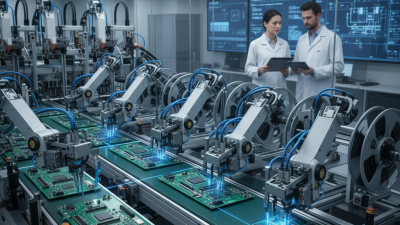
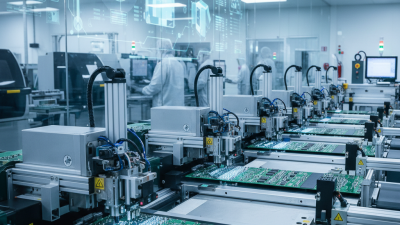
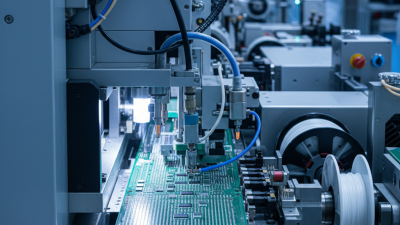
Chinese SMT suppliers are reshaping the electronics industry with their innovative technologies. These companies leverage advanced techniques like automated optical inspection and high-speed placement machines. Such technologies enhance production efficiency and ensure product reliability. The result is a competitive edge that attracts global buyers.
Moreover, many Chinese suppliers are investing in AI and IoT integration. This helps in predictive maintenance and real-time tracking. However, while technology adoption is significant, some firms face challenges in scalability. Limited workforce training can hinder the full potential of these innovations. Continuous improvement in skills is crucial for sustained growth.
Additionally, sustainability practices are being integrated into SMT processes. Eco-friendly materials and waste reduction techniques are becoming commonplace. Yet, not every supplier has fully embraced these practices. There is still room for reflection and refinement in balancing innovation with environmental responsibility. This evolving landscape shows promise but also highlights areas needing attention in the pursuit of excellence.
China Top Surface Mount Smt Suppliers for Global Buyers
| Supplier Type |
Technology Used |
Production Capacity (units/month) |
Quality Certification |
Export Destinations |
| Producer |
Advanced Robotics |
200,000 |
ISO 9001 |
North America, Europe |
| Contract Manufacturer |
Automated SMT Assembly |
150,000 |
ISO 13485 |
Asia, Australia |
| OEM Supplier |
Lead-free Technology |
300,000 |
RoHS Compliant |
Middle East, South America |
| Technology Provider |
Smart Manufacturing |
500,000 |
IATF 16949 |
Worldwide |
Global Market Trends Affecting SMT Suppliers in China
The global market for surface mount technology (SMT) is evolving rapidly. According to a recent report from ResearchAndMarkets, the SMT market is projected to grow at a CAGR of 5.3% from 2021 to 2026. This growth is driven by rising demand in various sectors, including automotive and consumer electronics.
In China, SMT suppliers face unique challenges and opportunities. Supply chain disruptions have affected production schedules. The semiconductor shortage has slowed down the delivery of critical components. Recently, reports highlighted that more than 60% of electronics manufacturers experienced delays due to these issues. Companies are now re-evaluating their sourcing strategies to mitigate risks, which can alter the competitive landscape.
Moreover, environmental considerations are rising in importance. Many global buyers now prioritize sustainability. This shift compels SMT suppliers to adopt eco-friendly practices. Research from Deloitte shows that nearly 70% of consumers prefer sustainable products. Addressing these trends is essential for Chinese suppliers to remain competitive. Nurturing innovation and adapting to market demands will be crucial in the coming years.