How to Use a Soldering Oven for Perfect PCB Assembly?
In the intricate world of PCB assembly, the Soldering Oven stands out as a crucial tool. Renowned expert Johnathan Blake, a leading figure in electronic manufacturing, once remarked, “Mastering the Soldering Oven is key to achieving flawless connections.” His insights highlight the importance of precision in this process.
Using a Soldering Oven requires more than just basic knowledge. It demands an understanding of temperature control and timing. A slight error can lead to defects, such as cold solder joints or overheating components. The quest for perfection often reveals the nuances of this technology. Many technicians find themselves wrestling with inconsistencies despite following established protocols.
Furthermore, practical experience plays a significant role. A novice may struggle with the right settings, which can result in unsatisfactory outcomes. It's essential to embrace learning from mistakes. Observing how different materials react to heat can improve overall results. Therefore, the journey with a Soldering Oven is as much about mastering technique as it is about understanding the process.
Understanding the Basics of Soldering Ovens in PCB Assembly
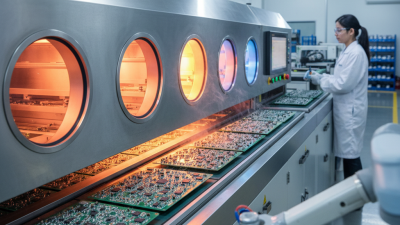
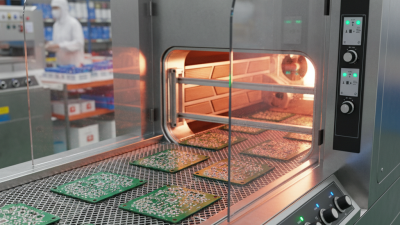
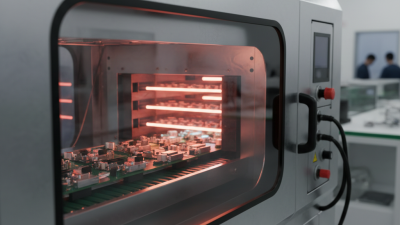
A soldering oven is essential for achieving high-quality PCB assembly. Understanding its basics can significantly improve your soldering process. Soldering ovens use controlled heat to melt solder paste, allowing for precise and even solder joints on complex circuit boards. Unlike traditional soldering irons, they provide uniform heating, reducing the risk of damaging sensitive components.
When using a soldering oven, it's crucial to set the right temperature profile. Too high a temperature can scorch components, while too low may lead to cold solder joints. Monitoring the cooling rate is just as important. Improper cooling can create thermal stress, possibly damaging the PCB. Investors need to consider the balance between speed and quality. Fast processes may yield imperfect results.
Calibration and testing are vital steps before production runs. Even well-trained technicians can struggle with variations in solder paste or oven performance. It’s wise to conduct trial runs and refine techniques based on outcomes. Embracing imperfections is part of the learning journey. Analyzing failures helps improve future projects. Documenting results will guide improvements in procedures and techniques over time.
Temperature Profile during PCB Soldering
Choosing the Right Soldering Oven for Your PCB Project
Choosing the right soldering oven is crucial for successful PCB assembly. Various factors come into play. Temperature control, uniformity, and reliability are key considerations. A soldering oven with precise temperature settings ensures controlled heating. This helps prevent damage to sensitive components. Research shows that improper temperature can lead to solder joint failures.
Consider the size of your PCBs. A smaller oven might suffice for prototypes, but larger production runs require more capacity. Efficiency is vital for high-volume projects. Data indicate that using an efficient oven can reduce cycle time by 20% or more. This improvement translates to increased productivity and reduced costs.
Research also highlights the importance of airflow design. Good airflow prevents thermal gradients that can lead to warping. Many operators overlook this. Inadequate airflow could lead to inconsistent results. Regular maintenance checks are essential to keep the oven in optimal condition. Identifying and correcting issues early on can significantly enhance performance. A well-chosen soldering oven not only ensures quality but also boosts overall project success.
Setting Up Your Soldering Oven for Optimal Performance
When setting up your soldering oven, achieving optimal performance is crucial for perfect PCB assembly. Start by ensuring the oven is placed in a well-ventilated area. The right environment can help maintain consistent temperatures. Calibration is vital; check the temperature accuracy frequently. An uncalibrated oven can lead to uneven soldering, affecting component integrity.
Use a reliable temperature profiling tool to monitor the heat distribution. This tool can identify hot and cold spots in the oven. Without it, you may encounter issues like insufficient solder or burnt components. It's also essential to preheat your PCBs. This action helps avoid thermal shock and ensures proper solder adhesion.
Regular maintenance of your soldering oven can prevent common issues. Dirty heating elements or blocked airflow can lead to undesirable results. Implement a cleaning schedule to keep the oven in top shape. Inconsistencies might arise during production, so documenting these occurrences can be beneficial for future setups. A reflective practice can enhance your soldering skills over time.
Step-by-Step Process for Using a Soldering Oven Effectively
Using a soldering oven can significantly improve your PCB assembly. Here’s a step-by-step guide to help you get started effectively.
Begin by setting up your work area. Ensure that the soldering oven is clean and free from dust. Proper airflow is essential. Adjust the temperature settings according to the solder paste specifications. Too high a temperature can cause damage. Always double-check your settings before proceeding.
Next, prepare your PCBs. Apply solder paste evenly across designated pads. Make sure to avoid excessive paste, as this can lead to bridging. Position the components accurately on the PCB. A steady hand is crucial here. After placement, carefully insert the PCBs into the soldering oven. Monitor the process closely. Sometimes, you may notice uneven soldering. It’s vital to reflect on why this happens and adjust your technique.
Finally, once the cycle is complete, remove the PCBs carefully. Inspect them under good lighting. Identify any imperfections that may have occurred. Learn from mistakes and document your findings. Each experience will refine your skills for future projects.
Common Mistakes to Avoid When Using a Soldering Oven
When using a soldering oven, various common mistakes can affect your PCB assembly quality. One major error involves incorrect temperature settings. If the oven is too hot, components can overheat and become damaged. Conversely, insufficient heat can lead to poor solder joints. Always check your temperature profile against the specifications of the components being used.
Another frequent issue is the placement of solder paste. Uneven application can cause bridging and other problems during reflow. It’s essential to apply the right amount and ensure even distribution. Poorly placed components can lead to inefficient soldering. Inspect your layout carefully before starting the process.
Additionally, overlooking the importance of proper ventilation can be detrimental. Fumes from solder can be harmful, and inadequate ventilation can lead to health risks. Maintain a well-ventilated area when operating your soldering oven. Taking these precautions helps ensure a safer and more effective PCB assembly process.