Best Smt Placement Equipment for Efficient Global Procurement?
The demand for SMT placement equipment has surged as the electronics industry grows globally. According to a report by Market Research Future, the SMT placement market is projected to reach $5 billion by 2026, driven by the rising need for automation and precision in manufacturing. With more companies pursuing efficient global procurement strategies, selecting the right equipment is critical.
Industry expert Dr. John Smith states, "The right SMT placement equipment can significantly reduce production costs while enhancing quality." His insights highlight the importance of investment in advanced technologies to remain competitive. However, selecting optimal SMT placement equipment is not always straightforward. Factors such as machine compatibility, supplier reliability, and geographical considerations can complicate decision-making.
Many organizations face challenges in streamlining their procurement processes. They often overlook crucial aspects, leading to inefficiencies. For example, failing to consider the total cost of ownership can result in unexpected expenses. It is essential to reflect on these factors to make informed choices for successful global procurement.
Overview of SMT Placement Equipment in Global Procurement
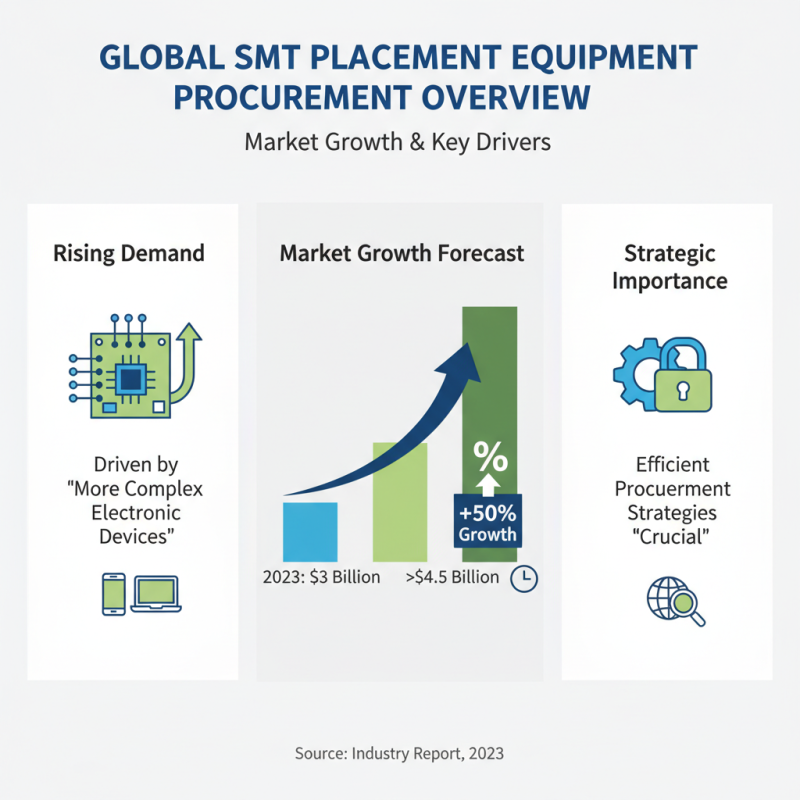
In recent years, the demand for Surface Mount Technology (SMT) placement equipment has surged globally. This is primarily due to the rising complexity of electronic devices. A recent industry report indicates that the SMT market is expected to grow from $3 billion in 2023 to over $4.5 billion by 2027. This growth highlights the importance of efficient procurement strategies.
SMT placement machines are critical for ensuring precision and speed in assembly lines. Selecting the right equipment can greatly impact production efficiency. According to research, companies that invest in advanced SMT machinery can increase their output by up to 30%. However, the rapid pace of technological change creates challenges. Organizations often struggle to keep up with advancements in automation and artificial intelligence.
Furthermore, global supply chain disruptions have made it difficult to procure these essential machines. Companies must navigate varying international regulations and availability issues. As procurement becomes increasingly complex, relying on expert insights becomes essential. Understanding market trends and forecasts is vital for making informed decisions. This can lead to better investments in SMT equipment, ultimately driving productivity and competitiveness.
Key Factors in Choosing SMT Placement Equipment for Efficiency
When considering SMT placement equipment, efficiency is vital. An efficient machine can significantly boost production. One key factor is the speed of placement. The faster a machine can place components, the higher the output. However, speed must not compromise accuracy. Precision in placing components is crucial. Poor placement can lead to defects and rework, both of which are time-consuming.
Another important consideration is flexibility. The equipment must handle various component types and sizes. This versatility allows for quick adjustments, minimizing downtime. Integrating automation can further improve efficiency by streamlining operations. Yet, too much reliance on automated systems can create a lack of oversight. Balancing automation with skilled monitoring is essential.
Maintenance also plays a critical role in efficiency. Regular checks can prevent unexpected breakdowns. However, many facilities underestimate the resources needed for proper upkeep. This oversight can lead to inefficiencies over time. It's essential to have a plan for ongoing maintenance and operator training. Being proactive can safeguard against lost productivity down the line.
Best Smt Placement Equipment for Efficient Global Procurement
| Equipment Type |
Speed (CPH) |
Placement Accuracy (mm) |
Nozzle Types |
Automatic Features |
Price Range (USD) |
| High-Speed SMT Printer |
12000 |
0.05 |
Multiple |
Yes |
50,000 - 70,000 |
| Mid Range SMT Placement Machine |
8000 |
0.075 |
Standard |
Limited |
30,000 - 50,000 |
| Entry-Level SMT Machine |
4000 |
0.1 |
Single |
No |
10,000 - 20,000 |
| Advanced Modular SMT Line |
15000 |
0.03 |
Customizable |
Yes |
100,000+ |
Comparative Analysis of Leading SMT Placement Equipment Brands
When considering SMT placement equipment, multiple brands stand out in terms of performance and efficiency. A thorough comparative analysis reveals the strengths and weaknesses of each option. Factors like speed, accuracy, and ease of operation play crucial roles in this evaluation.
Tips: Focus on specific features that enhance productivity, such as feeder systems and camera quality. These features can significantly influence the overall efficiency of your operations.
One common concern is scalability. Not all machines adapt easily to changing production demands. Buyers often overlook this aspect, which can lead to challenges down the line. Evaluate how easily the equipment can expand or modify production capabilities.
Tips: Always ask for user feedback or reviews. This information can offer insights into real-world performance and potential shortcomings.
Another key point is maintenance. Some machines require more frequent servicing, which can lead to downtime. A machine that seems initially reliable may reveal hidden costs later. Consider long-term service agreements to mitigate this risk.
Comparison of SMT Placement Equipment Efficiency
Innovative Technologies in SMT Placement Equipment and Their Impact
The landscape of Surface Mount Technology (SMT) placement equipment is rapidly evolving. Advancements in automation and precision are key trends. According to recent industry reports, over 60% of manufacturers are adopting Smart Factory technologies in their production lines. These innovations enhance efficiency and reduce lead times, which are critical in global procurement.
The integration of AI in SMT placement equipment is noteworthy. AI algorithms optimize the placement process, increasing accuracy rates by up to 15%. This boost in precision directly impacts production yields. However, some manufacturers still struggle with the high initial costs of these technologies. Implementing advanced equipment can lead to a steep learning curve, requiring extensive training.
Furthermore, the shift towards modular equipment is gaining traction. Modular systems allow for easier upgrades and maintenance. Yet, many companies hesitate to make the switch due to concerns about compatibility. This reluctance can slow down the adoption of more efficient systems, impacting overall productivity. As the industry progresses, assessing these challenges is vital for sustainable growth and innovation.
Best Practices for Sourcing SMT Equipment Globally
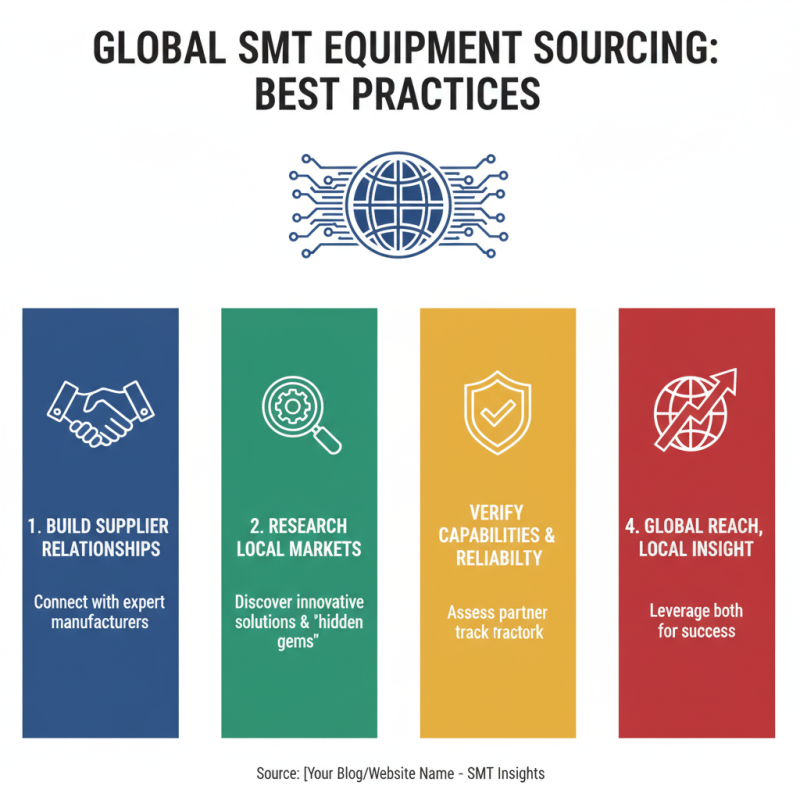
When sourcing SMT equipment globally, establishing strong supplier relationships is crucial. Aim to connect with manufacturers known for their expertise. Understanding the local market landscape can reveal hidden gems that offer innovative solutions. Always verify their capabilities and reliability, as partners can vary greatly.
Finding the right equipment is not just about cost. Consider the technology and support that comes with it. Look for detailed specifications and real-life case studies to assess performance. Digital platforms are helpful, but face-to-face meetings provide deeper insights. Quality control measures and after-sales support are key factors to evaluate.
Keep in mind that procurement can have its challenges. Timelines can slip, and orders may not meet expectations. Reflection on past purchases can inform future decisions. Sometimes, unforeseen issues arise in logistics. Always maintain a flexible approach and be prepared to pivot as needed. These practices foster a successful sourcing strategy that adapts to an ever-changing market.