China Best PCB Conveyor Solutions for Global Buyers?
In the rapidly evolving electronics industry, the demand for efficient manufacturing processes is crucial. Pcb conveyors play a vital role in streamlining production lines. They ensure seamless movement of printed circuit boards, minimizing delays and maximizing productivity. With numerous global buyers seeking reliable solutions, China stands out as a key player.
China's expertise in manufacturing offers a wide range of Pcb conveyor solutions. These conveyors are designed to meet various industry needs, from high-speed operations to complex assembly lines. However, not all options are equal. Buyers must be cautious and evaluate the quality and reliability of the systems being offered.
Despite the advanced technology available, challenges remain. Some conveyors may lack adaptability, failing to integrate with existing systems. Additionally, maintenance issues can arise, leading to unexpected downtimes. Buyers should prioritize suppliers with a proven track record and seek comprehensive support. In this competitive landscape, making informed choices is essential for success.
Overview of PCB Conveyors in the Electronics Manufacturing Industry
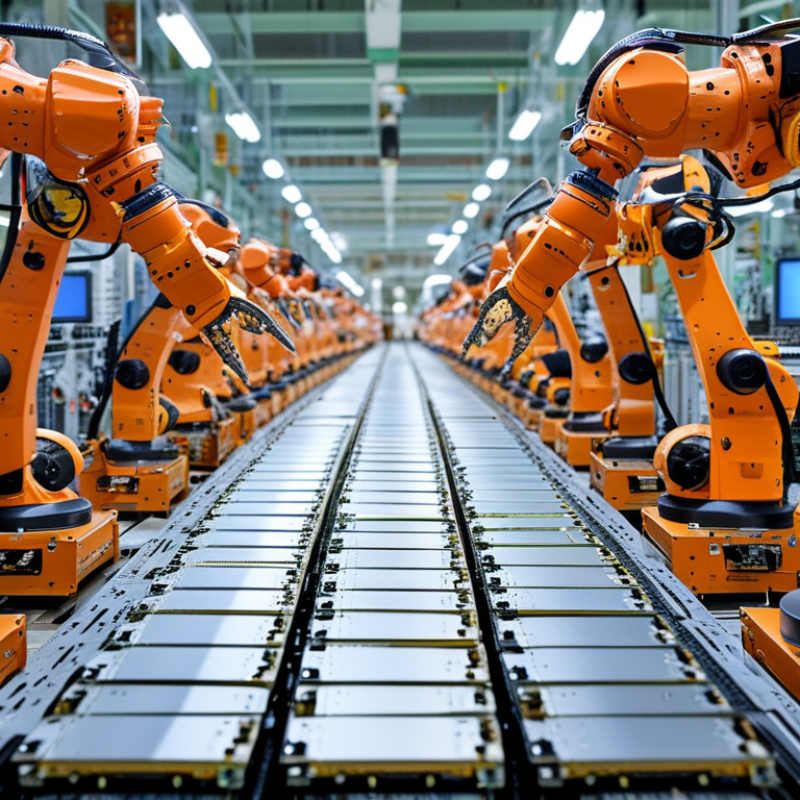
The electronics manufacturing industry heavily relies on PCB (Printed Circuit Board) conveyors. These conveyors streamline the production process by facilitating the efficient movement of PCBs from one production station to another. They are crucial in ensuring that components are assembled accurately and in a timely manner. Different conveyor designs are available, tailored to the unique needs of various manufacturing setups.
Choosing the right PCB conveyor solution involves understanding specific requirements. Factors like speed, size, and load capacity must be evaluated. Some solutions lack flexibility, making it hard to accommodate different PCB sizes. This can lead to bottlenecks in production lines. Manufacturers should assess whether their chosen conveyor systems can adapt as production demands change.
A reliable PCB conveyor should promote efficiency while minimizing errors. It is vital to select conveyors with a proven track record. Yet, not all systems deliver consistently. Crafting a well-functioning production line requires continual assessment and updates. This reflection helps in optimizing the entire manufacturing process. Emphasizing quality in these systems reflects the industry's commitment to excellence.
Key Features and Benefits of PCB Conveyor Systems
PCB conveyor systems play a crucial role in the manufacturing process. Their design enhances efficiency and minimizes handling errors. These systems offer several key features and benefits that make them indispensable for those in the electronics industry.
One significant advantage of PCB conveyor systems is their ability to streamline operations. They are designed for smooth transportation of printed circuit boards through the assembly line. This reduces the risk of damage and improves workflow. Additionally, they often feature adjustable speeds. This allows for customization based on production requirements, leading to optimal performance.
When selecting a PCB conveyor, consider the configuration. A modular design can provide flexibility for changing production needs. Ensure that the system is compatible with other equipment in your facility. An understanding of your unique requirements is essential for choosing the right solution.
Tips: Regular maintenance is key to ensuring reliability. It can help you avoid unexpected downtimes. Training staff on proper handling can significantly minimize errors. Invest time in analyzing your production flow for improvements. Adjustments based on real data can lead to better outcomes.
Comparison of Leading PCB Conveyor Types Available in China
In the rapidly evolving electronics manufacturing sector, PCB conveyor solutions play a crucial role. A recent industry report indicates that the global PCB market is projected to reach $96 billion by 2025, with China being a dominant player due to its advanced manufacturing capabilities. This growth drives the demand for effective PCB conveyor systems.
Among the leading types are belt conveyors, chain conveyors, and modular conveyors. Belt conveyors are widely favored for their simplicity and efficiency. They are suitable for transporting PCBs over short distances. Data suggests that 45% of manufacturers prefer belt systems for their reliability. Chain conveyors, on the other hand, excel in high-load environments. They offer durability in transporting heavier PCBs, which is increasingly important as boards become more complex. Modular conveyors, known for their flexibility, can be customized to fit specific production needs. These systems account for about 30% of the market share, showcasing a trend toward adaptability in manufacturing.
However, challenges remain. Not all conveyor types suit every facility's layout or production requirements. Manufacturers must carefully consider their specific workflows and the types of PCBs they handle. Investing in the wrong type of conveyor can lead to inefficiencies and increased costs. Thus, continuous evaluation and adaptation are essential for businesses aiming to optimize their production lines.
China Best PCB Conveyor Solutions for Global Buyers
| Conveyor Type |
Features |
Speed (m/min) |
Max Load (kg) |
Price Range (USD) |
| Standard PCB Conveyor |
Compact design, adjustable speed |
5-30 |
5-20 |
1000-3000 |
| Heavy-Duty PCB Conveyor |
High capacity, durable construction |
10-40 |
20-50 |
3000-6000 |
| Modular PCB Conveyor |
Flexible layout, easy maintenance |
5-25 |
5-15 |
1500-4000 |
| Automated PCB Conveyor |
Smart technology, integration ready |
15-50 |
10-25 |
4000-8000 |
Factors to Consider When Sourcing PCB Conveyors Globally
When sourcing PCB conveyors globally, several key factors must be considered to ensure efficiency and reliability. Quality control is paramount. A recent industry report indicates that up to 30% of production failures are linked to improper material handling. Ensuring that the conveyor system meets stringent international quality standards is crucial for maintaining production flow.
Another critical aspect is the technology used in the conveyor design. Advanced systems now incorporate automation features, which can increase throughput by 20% or more. However, not every supplier offers the latest technology, and it’s essential to assess the capabilities of different manufacturers. Verifying their experience in the industry and looking for established certifications can help narrow down choices.
Cost is often a deciding factor, but should not be the only consideration. A lower price tag may lead to future expenses due to poor quality. It’s wise to conduct a comprehensive cost-benefit analysis that includes maintenance, operational efficiency, and spare parts availability. These factors can significantly influence long-term operational success. Remember, an overemphasis on initial costs might obscure potential long-term gains. Evaluating these elements thoroughly ensures a sound investment in PCB conveyor solutions.
Factors to Consider When Sourcing PCB Conveyors Globally
Top Chinese Manufacturers of PCB Conveyor Solutions for International Buyers
When it comes to PCB conveyor solutions, buyers worldwide are increasingly turning to China. The country has emerged as a hub for innovative manufacturing. Many Chinese manufacturers specialize in high-quality conveyor systems designed for PCB assembly lines. These systems are essential for maintaining productivity and efficiency in electronics production.
Chinese manufacturers offer various types of PCB conveyor solutions. From belt conveyors to modular systems, each type serves unique purposes. The technology often integrates advanced features, enhancing automation and reducing labor costs. However, not every manufacturer guarantees the same level of quality. It's important for international buyers to conduct thorough research before making decisions.
Buyers should consider a manufacturer’s experience and expertise in the PCB industry. Some manufacturers excel in specific machinery, while others may lack comprehensive product ranges. Crafting a successful partnership involves evaluating their capabilities and understanding your own needs. Communication is key, and potential buyers may face challenges when ensuring that the products meet international standards. Transparency and reliability are essential factors to consider during the selection process.