Why Choose Smt Machine for Your PCB Manufacturing Needs?
When it comes to printed circuit board (PCB) manufacturing, the choice of equipment is crucial. Smt Machines play an essential role in this process. Industry expert Dr. Alan Reed emphasizes this by stating, "The right Smt Machine can drastically improve efficiency and quality in PCB production."
Using Smt Machines reduces manual labor and minimizes errors. These machines automate the assembly of electronic components, fostering precision. When used effectively, they can also shorten production times. However, it’s important to recognize that not all Smt Machines are created equal. Choosing the wrong model can lead to inefficiencies and increased costs.
Investing in a high-quality Smt Machine is more than just a trend. It’s a commitment to maintaining competitive integrity in the PCB market. The decision requires careful consideration and may demand adjustments in production strategy. All manufacturers must reflect on their specific needs before investing in this technology.
Advantages of Smt Machines in PCB Manufacturing
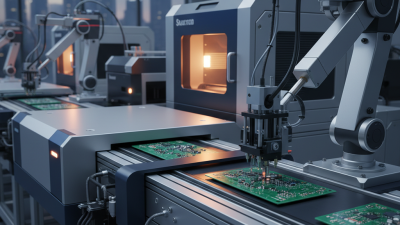
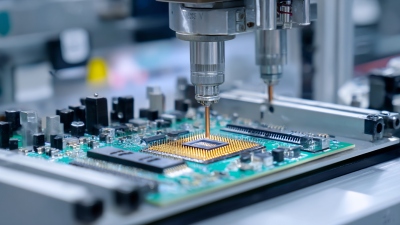
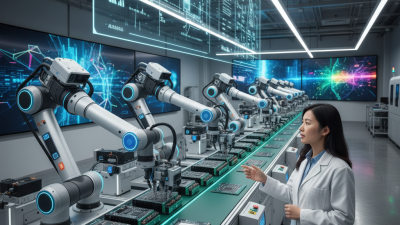
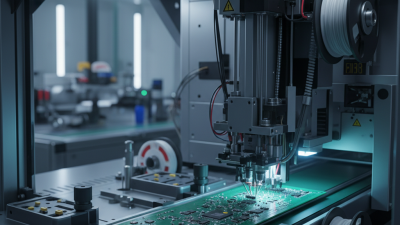
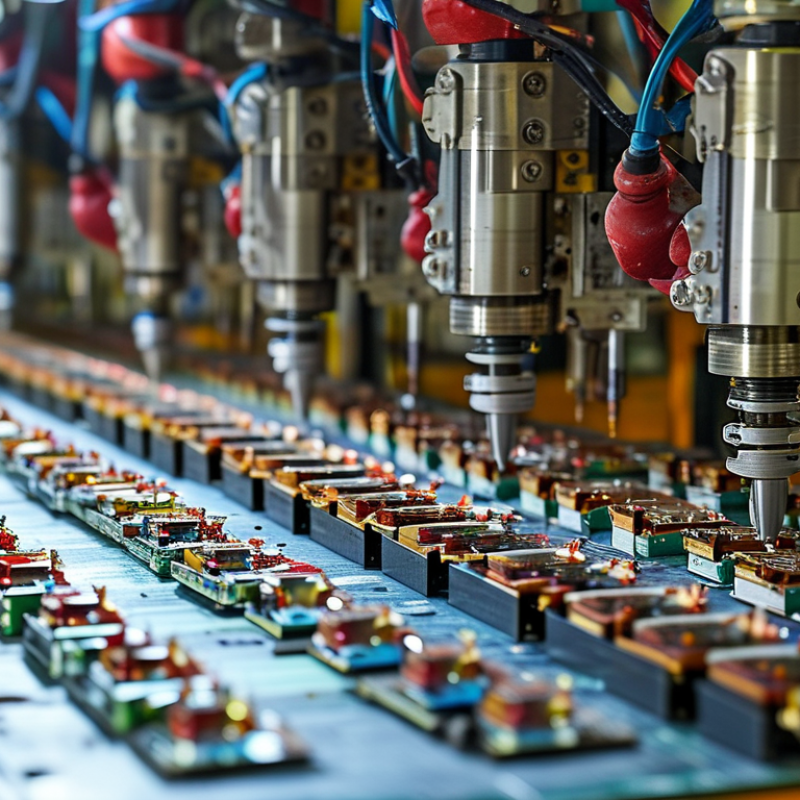
SMT (Surface Mount Technology) machines have become indispensable in PCB manufacturing. They streamline the production process by placing components precisely on printed circuit boards. This accuracy is vital for performance and reliability. The automated nature of SMT machines reduces the chances of human error, making them a safer choice for manufacturers.
One notable advantage is speed. SMT machines can assemble PCBs at a much faster rate than traditional methods. This efficiency allows manufacturers to meet tight deadlines and increase output. However, high-speed production can lead to oversights. Each machine requires regular maintenance to avoid potential failures, which can disrupt production lines.
Additionally, SMT machines support a wide range of components, including small-sized parts. This flexibility enables manufacturers to create complex designs that are increasingly popular in modern electronics. However, adapting to new technologies can pose challenges. Personnel need specialized training to operate these machines effectively, which can add to overall costs. Understanding these dynamics is essential when choosing SMT for PCB manufacturing.
Key Features of Smt Technology for Efficient Production
SMT technology, or Surface Mount Technology, revolutionizes PCB manufacturing. This advanced process allows components to be mounted directly onto the surface of printed circuit boards. As a result, manufacturers can achieve higher density layouts and improved performance. The miniaturization of components is a vital aspect, enabling compact designs without sacrificing functionality.
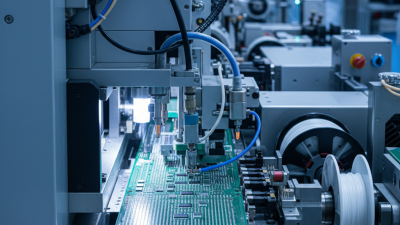
A key feature of SMT is its speed. Automated placement machines can position thousands of components per hour, dramatically increasing production efficiency. This rapid pace minimizes lead times and accelerates time to market. Additionally, the use of paste application equipment ensures precise depositing of solder paste, which is crucial for reliable joints.
Despite the advantages, there are challenges. Proper setup and calibration of machines is essential. Any minor errors can lead to defects, impacting the overall quality. Continuous training in SMT practices is necessary to maintain standards. A consistent focus on quality control is vital to ensure reliability and performance. Balancing productivity and precision is an ongoing reflection for manufacturers in this field.
Why Choose Smt Machine for Your PCB Manufacturing Needs? - Key Features of Smt Technology for Efficient Production
| Feature |
Description |
Benefits |
| High Speed |
SMT machines can place components at a high rate, often exceeding 30,000 components per hour. |
Increased production efficiency and faster time to market. |
| Precision Placement |
Advanced vision systems enable precise component placement down to a few microns. |
Improved yield rates and reduced manufacturing defects. |
| Flexibility |
Able to handle a wide variety of components, from small passives to large packages. |
Versatile for different product lines and quick changeovers. |
| Automated Process |
Automation minimizes human error and enhances repeatability of the manufacturing process. |
Lower labor costs and consistent quality across production runs. |
| Compact Design |
Modern SMT machines are designed to save floor space while maintaining high performance. |
Maximized production area and reduced facility costs. |
Cost-Effectiveness: How Smt Machines Save Money
When it comes to PCB manufacturing, cost-effectiveness is key.
SMT (Surface Mount Technology) machines play a significant role in reducing production costs.
These machines automate several processes, which limits manual labor and decreases the chance of human error.
They can handle multiple tasks simultaneously, making them efficient in high-volume production.
More components can be placed in less time, which ultimately saves money.
Another advantage lies in the material savings.
SMT machines often consume less solder paste and other materials compared to traditional systems.
This reduction in material waste contributes to overall cost savings.
Additionally, the precision of these machines leads to fewer defective boards, further decreasing expenses due to rework or scrap.
However, it is essential to reflect on the initial investment.
SMT machines can be costly to acquire.
Balancing this upfront cost with long-term savings requires careful planning.
Businesses need to assess their production volume and potential efficiency gains.
This ensures that the investment aligns with their financial capabilities.
Making informed decisions is crucial for maximizing the benefits of SMT machinery.
Application Versatility: Smt Machines Across Different Industries
SMT (Surface Mount Technology) machines have become essential in various industries. They enable efficient and precise PCB manufacturing. Reports indicate that the global SMT market reached USD 3.5 billion in 2021, with a compound annual growth rate (CAGR) of 6.2% expected through 2030. This growth is driven by advancements in electronics that require high-quality PCB assemblies.
Different industries benefit from SMT machines. In the automotive sector, SMT technology supports smart car features. These features require reliable electronic components, which SMT machines can produce efficiently. The medical field also relies on SMT for devices like pacemakers and diagnostic equipment, which demand high precision. Yet, some industries face challenges in adapting SMT. The transition from traditional methods can be difficult and costly for smaller manufacturers.
Another point of consideration is the versatility of SMT machines. They can be used for small-scale productions or large-scale deployments. However, not all SMT machines are the same in quality or capability. Some might struggle with complex designs. This variation raises questions about cost versus performance. Manufacturers must carefully assess their needs and choose machines that truly enhance their production processes.
Application Versatility of SMT Machines in PCB Manufacturing
Future Trends in Smt Technology for PCB Manufacturing
The future of SMT technology promises significant advancements for PCB manufacturing. As automation evolves, manufacturers will benefit from increased efficiency. Smart factories will utilize AI and data analytics to streamline production. This technology enhances precision, reducing errors and waste. Imagine a production line where machines learn from past mistakes. This adaptive learning can dramatically optimize processes.
Another emerging trend is the integration of IoT devices. These devices will enable real-time monitoring of equipment and production metrics. With increased connectivity, manufacturers can respond swiftly to issues. This proactive approach reduces downtime and enhances reliability. However, companies need to invest in cybersecurity measures. Protecting sensitive data should not be overlooked amid these advancements.
Sustainability is also becoming a priority. As environmental concerns grow, SMT technology will evolve towards eco-friendly materials. Manufacturers will need to embrace these changes to remain competitive. The shift could be challenging, and not all companies are prepared. There may be resistance to adopting new practices, highlighting the need for education and training within the workforce. Adapting to these trends will require time and effort, but the potential rewards are substantial.