How to Efficiently Pick and Place SMD Components?
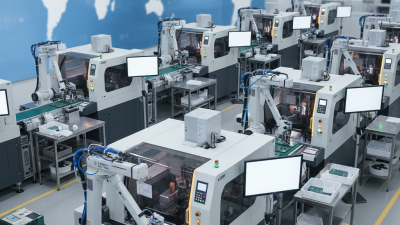
Efficiently picking and placing SMD components is crucial in modern electronics manufacturing. The "Pick And Place SMD" process has evolved rapidly due to increased demand for compact and powerful devices. According to a recent report by Industry Research Group, the market for SMD component placement machines is expected to grow at a CAGR of 8.3% through 2027. This growth highlights the increasing significance of automated solutions in enhancing productivity and minimizing errors.
Expert in the field, Dr. Emily Chen, emphasizes, “Accurate placement is vital for device reliability and performance.” Her insights reflect an industry where precision is paramount. Companies face challenges when scaling their operations to meet the rising needs in consumer electronics. Machinery must not only be efficient but also adaptable to various component sizes and types. The integration of AI in these machines is a promising direction, yet not without its challenges in implementation and cost.
Moreover, as the demand for faster turnaround times escalates, manufacturers must reflect on their processes. Whether it’s optimizing the workflow or training staff on new technologies, continuous improvement is essential. The journey toward efficiency in the "Pick And Place SMD" arena is ongoing. Embracing change while assessing the effectiveness of existing methods is key to staying competitive.
Understanding SMD Components and Their Characteristics
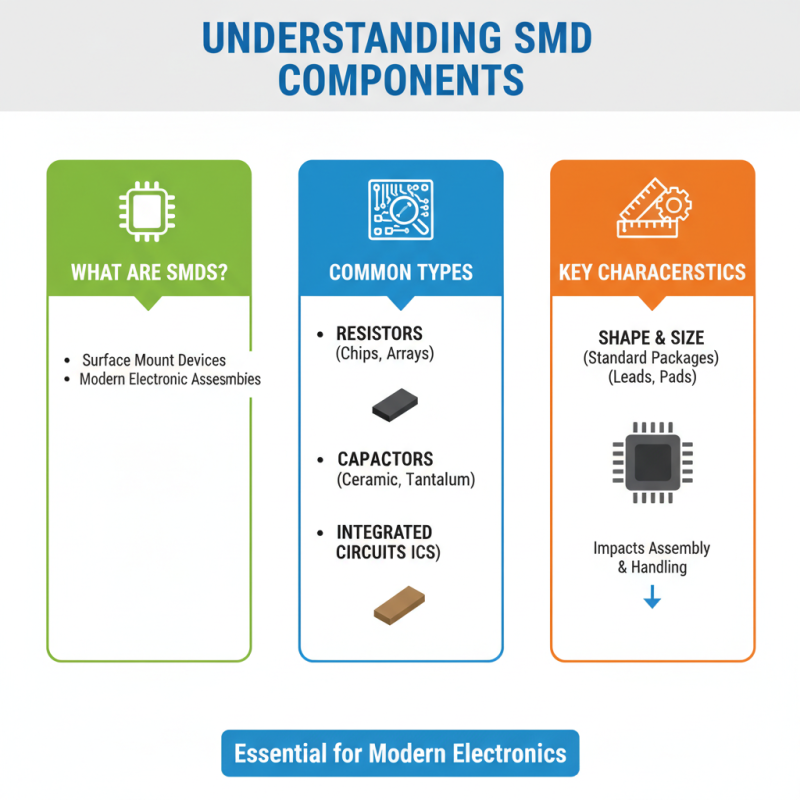
SMD (Surface Mount Device) components are integral to modern electronic assemblies. They come in various shapes, sizes, and functionalities. Understanding these characteristics is vital for efficient handling and placement. Common SMD types include resistors, capacitors, and integrated circuits. Each type has specific dimensions and pin configurations, which can significantly impact the assembly process.
Precision in picking and placing SMD components is crucial. Errors can lead to costly rework or product failure. It often requires specialized equipment like pick-and-place machines, which need proper calibration. However, not all environments can afford such machines. Manual operation remains an option. In this scenario, familiarity with component characteristics ensures accuracy.
Even experienced technicians make mistakes. Misjudging the orientation of a component can disrupt an entire assembly batch. Patience and practice are essential in developing skills for placement. Keeping a tidy workspace can help minimize errors too. Regular training on new SMD technologies keeps skills sharp and relevant.
Essential Tools for Picking and Placing SMD Components
Picking and placing SMD components can be a meticulous task. Having the right tools significantly improves efficiency and accuracy. Essential equipment includes tweezers, vacuum pick-up tools, and solder paste dispensers. Each tool has its unique role, making the process smoother.
Tweezers are perfect for handling smaller components. Look for fine-tipped models to ensure precision. Vacuum pick-up tools can lift various sizes with ease. They reduce the risk of dropping parts, which can lead to extra rework. A solder paste dispenser ensures that the paste is applied evenly, preventing issues during assembly.
While these tools are essential, pitfalls exist. The wrong size tweezers can make it challenging to manipulate components. Not every vacuum tool works on all surfaces. Experience matters; understanding which tools suit your needs takes time. It is crucial to assess which tools you find more effective through practice. Embrace the learning curve to refine your technique and ensure a reliable process.
Step-by-Step Guide to Efficiently Pick SMD Components
Picking and placing SMD components is a precise task in electronics assembly. It requires skill and attention to detail. Start with selecting the right tools. A good soldering iron, tweezers, and a vacuum pick-up tool can make a difference. These tools help ensure accuracy and minimize damage to sensitive components.
When picking components, ensure they are clean and free from dust. Use a magnifying glass to inspect them closely. This prevents errors during placement. The work surface should be organized. It reduces confusion and enhances efficiency. Consider practicing on a test board before working on actual projects. Mistakes can happen, even with experience.
During placement, apply the right pressure when setting components. Too much force can damage them. Use a light touch and let the solder do the work. Reflecting on your techniques is vital for improvement. Recording your process may reveal areas to enhance. Efficiency often comes from learning through practice. Continuous refinement leads to better outcomes in picking and placing SMD components.
How to Efficiently Pick and Place SMD Components? - Step-by-Step Guide
| Step |
Action |
Tools Needed |
Estimated Time |
| 1 |
Prepare SMD components |
Component trays, tweezers |
10 mins |
| 2 |
Set up the pick and place machine |
Pick and place machine, software |
15 mins |
| 3 |
Load components into the machine |
Component feeders |
20 mins |
| 4 |
Input placement data |
CAD software |
15 mins |
| 5 |
Run the pick and place process |
Pick and place machine |
30 mins |
| 6 |
Inspect the placement |
Magnifying tools, inspection camera |
15 mins |
Techniques for Accurately Placing SMD Components on PCBs
When placing Surface Mount Device (SMD) components on printed circuit boards (PCBs), precision is crucial. Industry reports indicate that up to 70% of assembly defects arise from poor placement. Thus, adopting effective techniques is vital for ensuring accuracy and reliability.
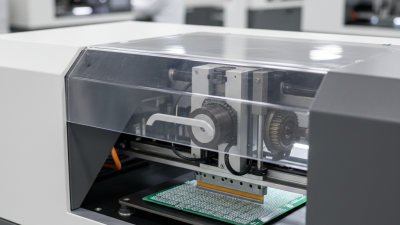
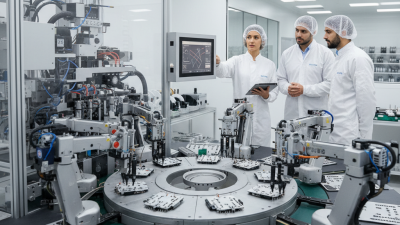
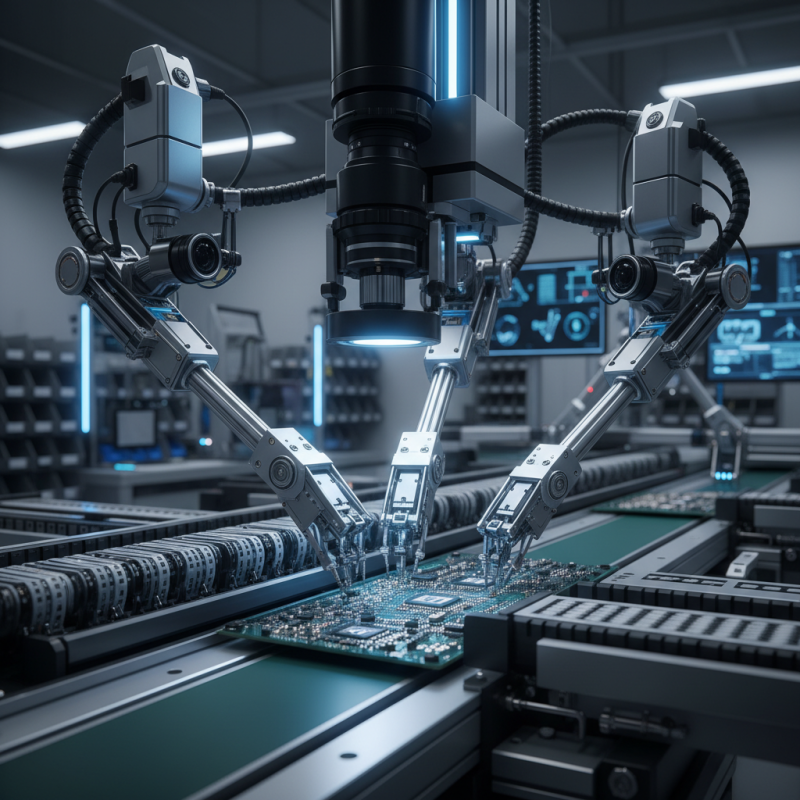
One essential strategy is to utilize automated placement machines. These machines can place components within ±0.025mm precision. Research shows that automated systems can improve placement speed by 300% compared to manual methods. However, human oversight is still necessary to catch errors that machines may miss. The best practices include regular calibration of placement equipment to maintain optimal performance.
Another technique involves using precise solder paste application methods. According to a study, improper solder paste application can lead to a 20% increase in production defects. Implementing methods like solder paste inspection can help identify issues early. While these techniques reduce risks, they also require constant monitoring and updates to stay effective. Precision is not just about technology; it’s equally about refining processes over time.
Best Practices for Quality Control in SMD Assembly Process
Quality control is crucial in the SMD assembly process. It ensures the reliability and performance of electronic devices. Monitoring each stage can prevent costly errors. Detailed inspections are necessary after every major step, including placement and soldering.
Implementing automated optical inspection (AOI) can significantly enhance accuracy. It detects misaligned or missing components effectively. However, reliance solely on machines can lead to oversights. Manual inspections may still uncover issues that technology misses. Balancing both approaches is essential.
Regular training for assembly personnel is vital. They should understand quality standards and component handling. A skilled team can identify potential problems early. Documenting mistakes and refining processes helps in continuous improvement. Reflecting on past errors fosters a culture of quality.