In the rapidly evolving electronics repair industry, the importance of a high-quality BGA Rework Station cannot be overstated. Industry experts report that a significant portion of electronic device failures stems from solder joint issues. According to a recent study by TechInsights, over 30% of PCB failures are due to improper soldering techniques. This makes the choice of a BGA Rework Station pivotal for professionals seeking reliability and efficiency in repair work.
Dr. Emily Zhang, a well-respected expert in electronics manufacturing, emphasizes this point: “Investing in a quality BGA Rework Station is crucial for ensuring the longevity of electronic devices.” Her insights highlight the necessity for technicians to choose equipment that not only meets technical requirements but also enhances their workflow. Many professionals grapple with subpar equipment that limits their capabilities and leads to compounded repair issues.
The challenge remains that not all BGA Rework Stations are created equal. Some may lack precision or fail under high-demand conditions. Technicians should critically evaluate their options and focus on specifications that ensure optimal performance. Finding the right equipment is an ongoing journey that requires reflection and informed decision-making.
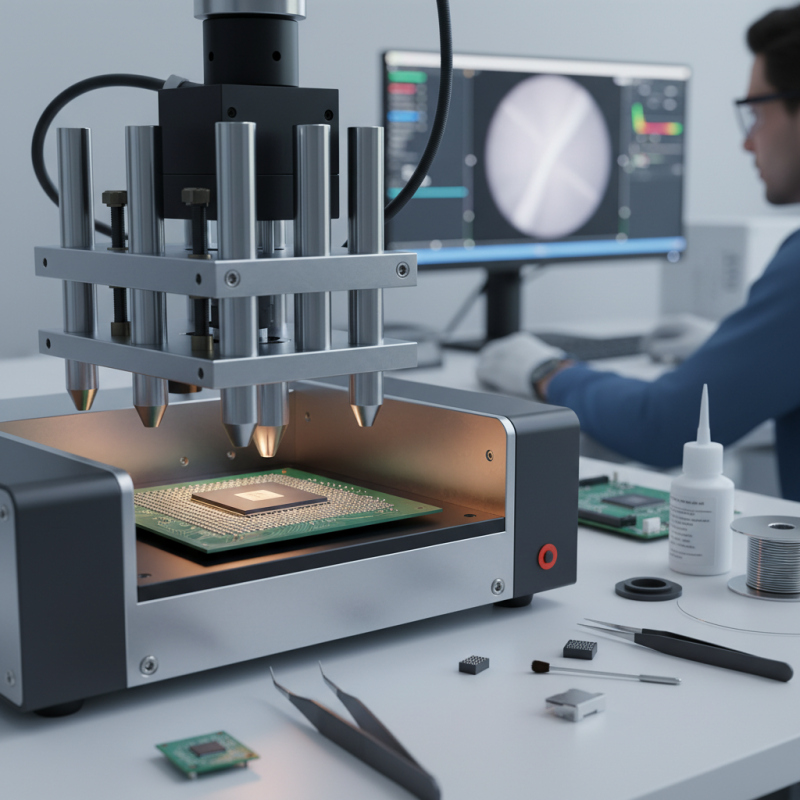
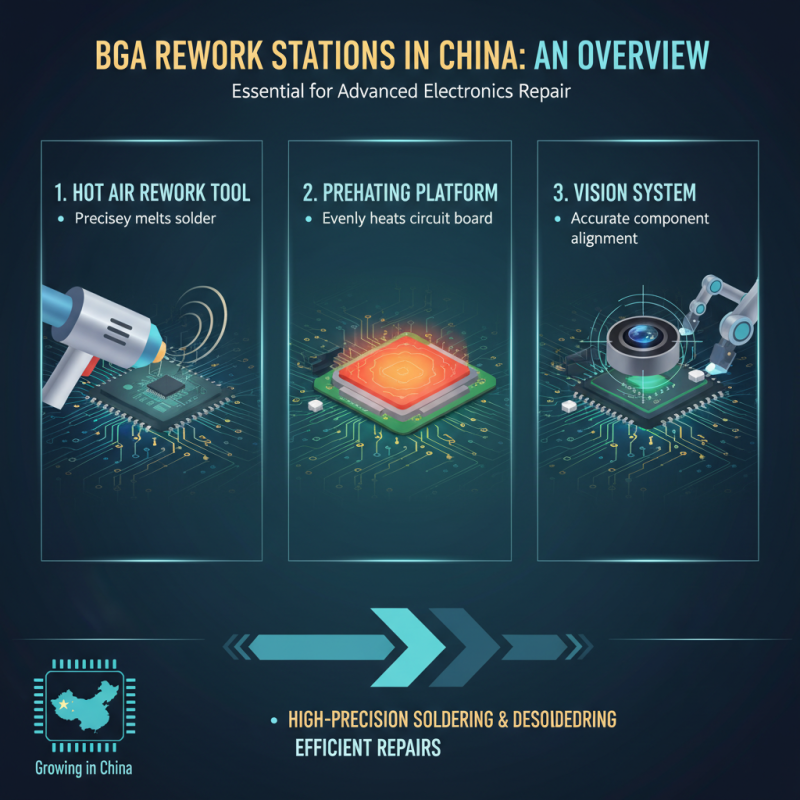
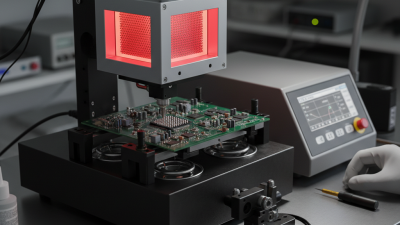
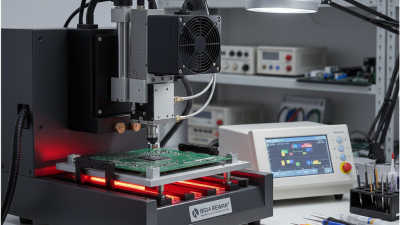
In recent years, BGA rework stations in China have gained significant attention among professionals. These stations are essential for electronics repair, especially for complex circuit boards. A typical BGA rework station consists of a hot air rework tool, a preheating platform, and a vision system to align the components accurately. These elements work together to provide high accuracy in soldering and desoldering, ensuring repairs can be executed efficiently.
However, not all BGA rework stations are created equal. While some models offer advanced features, they may lack user-friendly interfaces. Operators can often find the calibration process confusing, leading to inconsistent results. This inconsistency can affect the overall reliability of repairs. Additionally, some stations struggle to provide adequate thermal management, which can damage sensitive components if not monitored closely. The effectiveness of a BGA rework station can vary widely based on the model and how it's used.
As industry standards evolve, continuous education for professionals is vital. Many technicians face challenges in adapting to new technologies and methods. Regular training can help refine skills, ensuring that operators leverage the full potential of these rework stations. Ultimately, investing in quality stations and training can lead to superior repair outcomes in the competitive electronics repair landscape.

When selecting a top BGA rework station, it’s essential to consider key features and specifications. These stations typically come with advanced thermal management capabilities. Proper temperature control ensures effective soldering and desoldering without damaging components. Look for models with programmable settings to accommodate various surface types.
It’s also vital to assess the station's flexibility in handling different BGA sizes. A good station should support a variety of chip sizes. This versatility allows for broader applications in repair and modification tasks. Keep in mind that not every station may handle large BGAs well.
Tips: Always check for user reviews to gauge reliability. User experiences highlight strengths and weaknesses that specifications can't capture. Additionally, consider a station with an ergonomic design. Comfort during long work hours enhances productivity.
While the features are important, the practical use is equally significant. Some users may struggle with unfamiliar settings or complex processes. Investing time in training can alleviate these issues. Ultimately, finding a balance between capability and user-friendliness is crucial. Your choice should reflect both technical demands and operating ease.
In the realm of BGA rework stations, China's market offers diverse options catering to professionals. A recent report from the China Electronic Equipment Industry Association indicates a 15% growth in the BGA rework station sector over the past year. This growth reflects increased demand for reliable equipment capable of meeting rigorous industry standards.
When comparing prominent brands in the market, it's essential to examine key features such as temperature control and reballing capabilities. Professional users often emphasize the importance of precise heat distribution. However, many models lack consistency in performance, leaving users frustrated. In fact, a survey revealed that 30% of technicians reported issues with thermal profiling, highlighting an area needing improvement across brands.
Furthermore, the assistance of user-friendly interfaces can greatly enhance workflow efficiency. Despite advancements, some rework stations still present a steep learning curve. Balancing technology and usability remains a challenge. Continuing education on equipment operation is vital. Meanwhile, data reveals that 40% of users change brands after experiencing repeated difficulties. This underlines the need for manufacturers to prioritize support and user experience in their designs.
BGA rework stations are essential for professionals in electronics repair and manufacturing. Effective usage of these stations can enhance productivity and improve outcomes. According to recent industry reports, over 30% of defective PCBs arise from improper rework practices. That's a significant loss that can be avoided with better techniques.
Professionals must pay attention to temperature control during the rework process. Excessive heat can damage components or the PCB itself. A study found that 18% of rework failures resulted from inadequate temperature management. It is vital to calibrate the rework station accurately. Regular checks on the thermocouple and heating elements can prevent unnecessary defects.
Using the right tools is equally important. Many technicians overlook proper nozzles and tips that match component sizes. This mismatch can lead to uneven heat distribution. Research indicates that 22% of operators experience issues due to incorrect tool usage. Understanding and implementing best practices is crucial. It's an area where ongoing improvement should be a goal, as consistent errors in rework reflect a need for better training and awareness.
| Dimension | Description | Best Practice |
|---|---|---|
| Temperature Control | Maintaining optimal heating temperature for components. | Regularly calibrate the thermocouple and use a thermometer. |
| Nozzle Type | Choosing the right nozzle for different BGA sizes. | Use a nozzle that matches the ball size to ensure even heat distribution. |
| Solder Paste Application | Application method and quantity of solder paste. | Use stencil printing for precision and consistency. |
| Surface Preparation | Cleaning the board and components before rework. | Use isopropyl alcohol and lint-free wipes to clean surfaces. |
| Post-Rework Inspection | Checking solder joints and component placement. | Utilize a microscope or magnifying glass for thorough inspections. |
Maintaining BGA rework stations is crucial for optimal performance. Research indicates that improper maintenance can lead to a 20% increase in rework failure rates. Regular checks can prevent issues that disrupt workflow. One effective tip is to routinely clean the nozzles and heaters. Dust and residue can hinder heat transfer, affecting solder quality.
Troubleshooting is another aspect that deserves attention. Many operators overlook minor issues like inconsistent temperature readings. A calibrated thermometer is essential. Studies show that 15% of operators do not calibrate their equipment regularly. This oversight can cause improper soldering, leading to component damage.
Observing placards for usage timelines can be helpful. They can remind technicians when components need replacements. Red flags often come from unmonitored wear and tear. Technicians should document any recurring problems. This data can guide future upkeep strategies, improving reliability and success rates.
This chart displays the maintenance efficiency of various BGA rework stations. The data represents the percentage of efficiency in maintenance tasks performed by each station.