What is a Reflow Oven and How Does It Work?
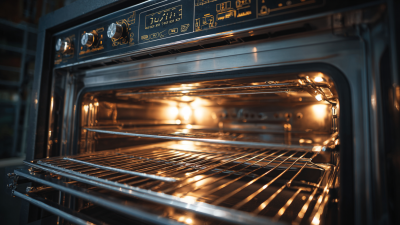
The Reflow Oven plays a vital role in the electronics manufacturing industry. According to Dr. Emily Chen, a leading expert in thermal processing, "The reflow oven is where soldering precision meets innovation." This statement highlights the oven's critical function in ensuring high-quality solder joints. Reflow ovens use a controlled heating process to melt solder paste, enabling components to fuse securely to printed circuit boards (PCBs).
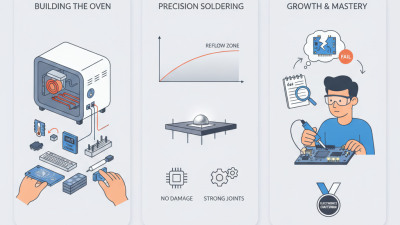
In practice, reflow ovens consist of multiple zones with varying temperatures. These zones enable a precise thermal profile, which is crucial for different solder materials and board designs. Key factors must be monitored to achieve optimal results. Any inconsistency in temperatures can lead to defects, impacting the final product's performance. Proper calibration and maintenance of the reflow oven are essential for reliable operations.
However, not every process goes smoothly. There are times when discrepancies arise, leading to troubleshooting challenges. Issues like insufficient reflow or overheating can occur. These require careful examination of production parameters. The complexity of reflow soldering invites constant reflection and improvement, emphasizing the need for ongoing expertise in the field.
What is a Reflow Oven?
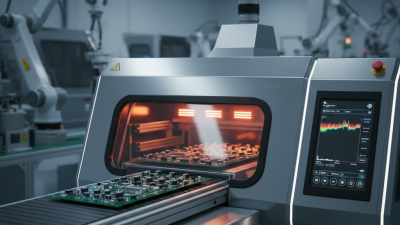
A reflow oven is a critical tool in the electronics manufacturing process. It is designed to solder surface mount components onto printed circuit boards (PCBs). The oven utilizes a controlled heat profile to melt solder paste, allowing components to bond permanently to the board. Understanding this mechanism is essential for businesses aiming to produce high-quality electronics.
The reflow process begins with placing a PCB in the oven. As it moves through different heating zones, the temperature gradually increases. The preheating phase allows for uniform heat distribution. This initial heating prevents thermal shock to components. After that, the peak temperature phase follows, where solder paste reaches its melting point. Ideally, the solder should melt but not overheat, as this can lead to dry joints or component damage.
It's important to monitor these parameters closely. Not every PCB will react the same way in a reflow oven. Variations can occur due to component types, board materials, or even solder paste formulation. If adjustments aren’t made, defects may arise. Some may notice delamination or solder defects after reflow. Understanding these nuances can significantly impact production quality and efficiency. Regularly reviewing the process can help identify areas for improvement.
Reflow Oven Temperature Profile
This chart illustrates the temperature profile of a reflow oven during the soldering process, highlighting the different stages of heating, soaking, and cooling. The data represents typical temperature values in degrees Celsius at each stage.
The Principle of Reflow Soldering Process
Reflow soldering is a critical process in electronics manufacturing, ensuring durable connections between components and printed circuit boards. The principle revolves around applying heat to solder paste on the PCB. This solder paste comprises tiny solder balls which melt when heated, allowing for a strong bond once cooled. The precise control of temperature profiles during this process is essential for effective soldering.
Studies indicate that the reflow soldering process can impact the long-term reliability of electronic devices. Research shows that improper heating can lead to issues like cold solder joints, which may fail over time. The optimal reflow profile usually includes preheating, soaking, and reflow stages, enabling the solder to melt uniformly. Understanding the thermal characteristics of different solder materials is vital for producing high-quality assemblies.
Tips: Always monitor the temperature closely. Too much heat can damage sensitive components. Regularly calibrating the reflow oven can enhance performance and prevent defects. Additionally, consider the PCB design; its layout and materials can affect the soldering process. A well-designed PCB can improve thermal efficiency and reduce assembly errors.
Key Components of a Reflow Oven
A reflow oven is crucial in the electronics manufacturing process. It allows for the soldering of components to printed circuit boards (PCBs). Understanding its key components can enhance efficiency and reliability during production.
The heating chamber is a primary component. It maintains a controlled temperature profile to melt solder paste and form strong connections. Then, there are conveyor systems that move PCBs through various temperature zones. These zones include preheating, soaking, and reflow sections. Each zone serves a specific purpose to ensure proper soldering.
Sensors play a vital role by monitoring temperature in real time. Accurate readings can prevent overheating, which leads to component damage. However, miscalibrated sensors can cause serious errors. Regular calibration checks are essential for maintaining accuracy. Fans facilitate airflow, distributing heat evenly throughout the chamber. They also reduce hot spots, which might lead to inconsistent soldering results. Understanding these components can help engineers optimize their processes and address potential issues effectively.
How a Reflow Oven Operates Step by Step
A reflow oven is essential in the electronics manufacturing process. It uses heat to solder components onto printed circuit boards (PCBs). Understanding its operation is crucial for ensuring quality and efficiency.
The process starts with loading the PCB into the oven. Infrared or convection heating elements warm the board evenly. As temperatures rise, solder paste melts, creating a bond between the component leads and the PCB pads. This phase typically reaches temperatures around 250°C. Maintaining precise control is vital. A ±1°C variation can lead to insufficient solder joints or component damage.
Once the solder is melted, cooling begins. The cooling process should occur gradually to avoid thermal shock, which can damage components. Manufacturers often implement a controlled cooling rate. Data indicate that improper cooling can lead to defects in up to 30% of assemblies.
Monitoring is critical throughout. Sensors track temperature profiles. Any deviations are flagged for immediate review. Quality control ensures the integrity of solder joints. Regular audits highlight that 90% of component failures are linked to solder issues. The reflow oven is a complex but indispensable tool in modern electronics manufacturing, with the need for continuous improvement always present.
Applications and Benefits of Using a Reflow Oven
Reflow ovens play a crucial role in modern electronics manufacturing. Their main application lies in soldering surface-mounted components onto printed circuit boards (PCBs). According to industry reports, around 70% of electronics manufacturers utilize reflow ovens due to their efficiency and effectiveness. The technology enhances heat distribution, ensuring that solder joints are consistently melted and solidified.
Using reflow ovens can significantly reduce production times. The process allows for a precise thermal profile, enabling optimal soldering conditions. A study by IPC revealed that manufacturers using advanced reflow technology experienced a 30% reduction in defect rates. This translates into cost savings and increased product reliability. However, achieving the perfect reflow profile requires trial and error, posing challenges for some operators.
Tips: Always monitor the temperature profiles closely. Improper heating can lead to cold solder joints. Regular maintenance of the oven is also essential; neglect can result in inconsistent heat distribution. Successful operations often hinge on continual process improvements and real-time adjustments. Balancing efficiency and quality remains a key focus for industry leaders.