Why Choose Smt Oven Reflow for Your Manufacturing Needs?
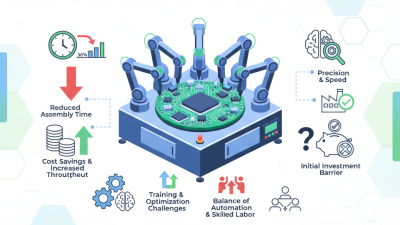
Choosing the right equipment for manufacturing can be challenging. One key player in this field is the Smt Oven Reflow. This technology plays a vital role in producing reliable and high-quality electronic components. It ensures precise temperature control throughout the manufacturing process, which leads to better soldering results.
Many manufacturers face difficulties in achieving consistent quality. The Smt Oven Reflow addresses this issue effectively. By creating a controlled heating environment, it minimizes defects and enhances product performance. This method has become essential for businesses aiming to stay competitive in a rapidly evolving market.
Investing in Smt Oven Reflow equipment can yield significant benefits. However, it's crucial to evaluate your specific needs before making a decision. While the advantages are clear, the initial investment can be substantial. It is important to weigh these factors carefully. This reflection can lead to better long-term outcomes for your manufacturing process.
Benefits of Smt Oven Reflow for Efficient Manufacturing Processes
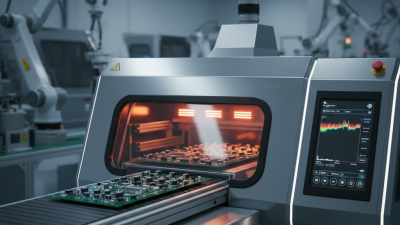
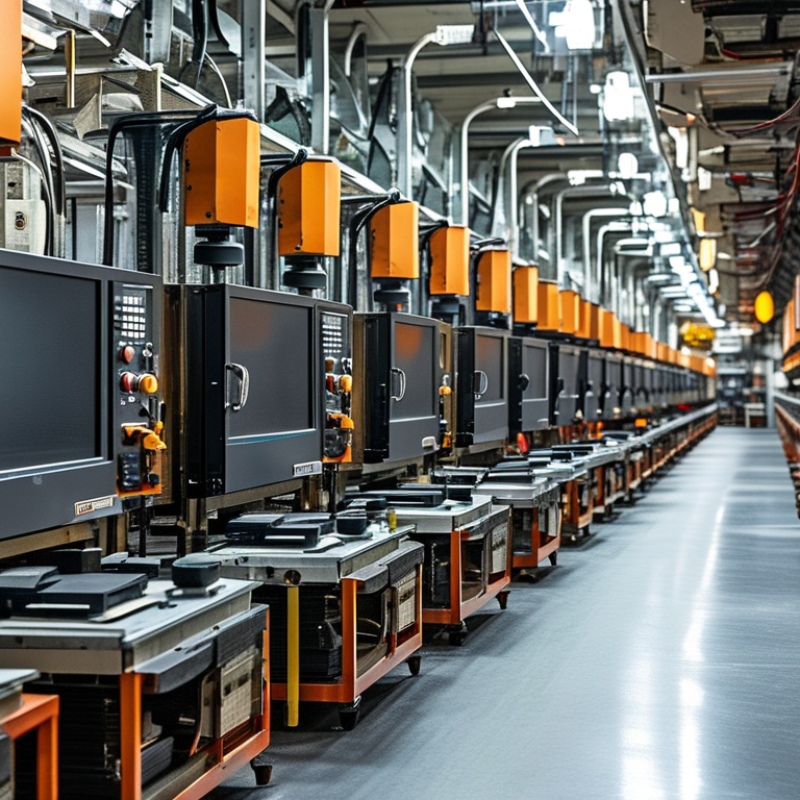
In today's fast-paced manufacturing sector, efficiency is key. Smt oven reflow technology stands out as an essential process for producing high-quality electronic components. This method focuses on melting solder paste, allowing components to bond reliably with circuit boards. Precise temperature control is essential, ensuring that each component receives adequate heat without damaging sensitive parts. Accurate profiling allows manufacturers to tune the oven to specific requirements.
One major benefit is the speed of production. Smt ovens can process multiple boards simultaneously, saving valuable time. Additionally, the uniform heating reduces the chances of defects, which leads to higher quality and fewer rework instances. Manufacturers often report a decrease in operational costs due to fewer errors. However, proper management and calibration of the ovens can be challenging, requiring skilled technicians to monitor processes closely.
Despite its advantages, adopting this technology isn't without hurdles. Investment costs can be significant, especially for small businesses. Creating an efficient workflow demands training and experience. Some manufacturers find it hard to fully utilize the ovens' capabilities. Regular maintenance and adjustments are necessary to achieve optimal performance. Engaging in continuous improvement practices can enhance outcomes, but it demands consistent effort and reflection on existing processes.
Why Choose Smt Oven Reflow for Your Manufacturing Needs? - Benefits of Smt Oven Reflow for Efficient Manufacturing Processes
| Aspect |
Benefits |
Impact on Manufacturing |
| Temperature Control |
Precise heating ensures optimal solder melting |
Reduces defects and improves board quality |
| Throughput |
Higher production speed |
Increases overall output in less time |
| Consistent Quality |
Reproducible results with minimal variation |
Enhances reliability of products |
| Energy Efficiency |
Lower energy consumption compared to traditional methods |
Reduces operational costs |
| Flexibility |
Ability to accommodate various PCB designs |
Supports a diverse product range |
Key Features of Smt Oven Reflow Technology Explained
SMT oven reflow technology has become essential in modern electronics manufacturing. Its unique features make it a valuable asset. One major advantage is precise temperature control. This ensures components are soldered efficiently, reducing defects. Accurate heating profiles help in achieving reliable connections on circuit boards.
Another key feature is the ability to handle various board sizes and components. Flexibility in production is crucial in a rapidly changing market. SMT ovens can accommodate both large and small batches, accommodating diverse client needs. However, companies may face challenges in adapting to new technologies. Training staff is necessary for optimal results.
Regular maintenance is required to sustain performance. Over time, wear and tear can affect the efficiency of the machine. Monitoring thermal uniformity can help detect issues early. Investing time in staff training and machine upkeep pays off. This all contributes to higher production standards and improved quality control in manufacturing processes.
Comparing Smt Oven Reflow with Other Soldering Methods
When it comes to soldering methods, SMT oven reflow stands out for several reasons. Unlike wave soldering, which can be inconsistent with PCB designs, reflow offers a more precise heating method. This technique allows for better control over temperature and time, maximizing solder joint quality. Manufacturers often find that reflow soldering results in fewer defects, leading to reduced costs in the long run.
Choosing the right soldering method can be challenging. Traditional methods, such as hand soldering, require skilled labor and may introduce variability. On the other hand, SMT oven reflow is automated, reducing human error. Additionally, reflow soldering is compatible with a wide range of components, including fine pitch devices. This versatility makes it a preferred choice for modern electronic production.
Tips: Always verify the temperature profile before starting a batch. A good profile ensures effective soldering. Regular maintenance of the reflow oven is essential for optimal performance. Finally, consider testing batches with different PCB designs to assess the consistency of results. This can highlight areas for improvement in your manufacturing process.
Factors to Consider When Choosing Smt Oven Reflow Equipment
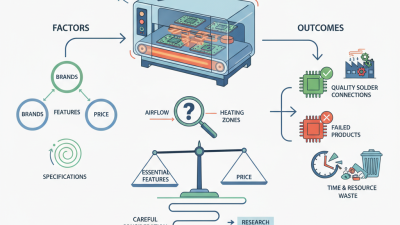
When considering SMT oven reflow equipment, several factors weigh heavily on your decision. One critical aspect is the temperature profile accuracy. A well-calibrated oven ensures consistent thermal transfer, crucial for solder quality. According to a recent IPC report, over 30% of solder defects arise from improper thermal profiles. This inconsistency can lead to costly rework or even equipment failure.
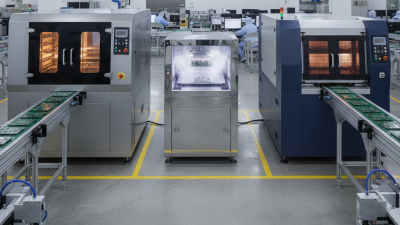
Another vital consideration is the oven size and throughput. Your production volume dictates the size of the oven necessary for optimal performance. The average reflow oven can process around 300 to 1,000 PCBs per hour, depending on its specifications. Ensuring that the oven is capable of handling your maximum demand is essential. Oversized equipment can lead to unnecessary energy costs, while undersized units may cause bottlenecks in production.
User-friendliness and maintainability also play a crucial role. Many operators struggle with complex interfaces, which can lead to errors. An easier operating system minimizes training time and helps maintain consistency. Additionally, maintenance that is too complex often results in extended downtimes. Even a minor oversight in calibration can halt production significantly. Overall, evaluating these factors can help avoid long-term issues and maximize your manufacturing efficiency.
Real-World Applications of Smt Oven Reflow in Various Industries
SMT oven reflow technology serves various industries with efficiency and precision. In electronics manufacturing, this method enables the assembly of intricate circuit boards. High temperature profiles ensure solder melts evenly, providing strong connections. Companies often rely on this technique to enhance product reliability.
In the automotive sector, SMT oven reflow is key for modern vehicle assemblies. It accommodates complex sensors and communication devices crucial for safety and performance. The high-demand environment necessitates consistent quality. Companies must regularly calibrate their equipment to avoid potential defects.
Tip: Regular maintenance of reflow ovens can prevent unexpected downtimes. Check solder paste application regularly. Fluctuations in temperature can lead to poor solder joints.
Medical device manufacturing also benefits greatly from SMT oven reflow. Precision is paramount in this field. Components must work flawlessly; any failure can result in severe consequences. Manufacturing teams should always monitor the reflow process closely.
Tip: Use thermal profiling tools during the reflow process. This ensures that all components receive the correct heat, enhancing quality. Pay attention to the cooling phase; rapid cooling can create stress fractures in solder joints.