Choosing the right reflow oven is crucial for quality PCB production. With various models on the market, understanding features is essential. A reflow oven’s performance can directly impact soldering results and assembly efficiency.
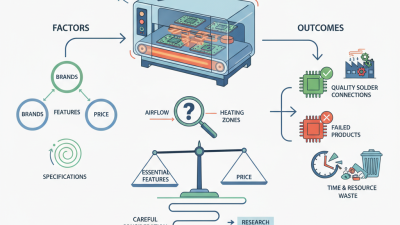
When selecting a reflow oven, consider your production needs. Different ovens cater to diverse requirements. You might find some units too basic, while others may offer unnecessary features. Evaluating the balance between price and functionality is vital.
Experience shows that a reliable reflow oven enhances manufacturing consistency. However, it’s important to remember that high-end does not always mean the best for your scenario. Conduct thorough research and reflect on your long-term goals. This guide aims to provide insights that will empower informed decisions in your quest for the perfect reflow oven.
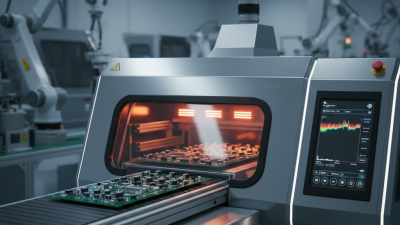
Reflow ovens are pivotal in the electronics manufacturing sector. They serve a vital role in soldering electronic components to printed circuit boards (PCBs). These ovens utilize precise temperature profiles to ensure reliable solder joint formation. According to the IPC, an industry association, nearly 90% of electronic assemblies use surface mount technology, making the quality of reflow ovens essential for production efficiency.
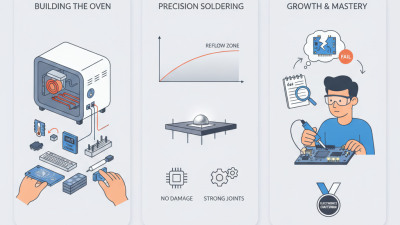
Understanding the workings of reflow ovens is crucial. They heat PCBs gradually and maintain controlled thermal cycles. This process allows solder paste to melt and bond components securely. In a study by Market Research Future, the global reflow oven market is projected to grow at a CAGR of around 5.6% from 2022 to 2030. This growth highlights the increasing demand for high-quality soldering solutions as industries expand.
However, not all reflow ovens perform equally. Factors such as temperature uniformity and cycle time can greatly impact assembly quality. Some manufacturers struggle with achieving consistent results due to inadequate oven performance. It's essential for buyers to critically evaluate equipment specifications and customer reviews. There’s an ongoing need for improvement in oven technology to meet evolving production standards.
When considering a reflow oven, focus on critical features that suit your production needs. Temperature profiles play a vital role. Look for ovens that offer multiple zones with precise temperature control. This ensures products are soldered evenly, reducing defects. A machine with programmable settings can help adjust to different solder paste types. Features like this enhance your setup’s flexibility.
Monitoring capabilities also matter. A model with real-time data reporting can improve your processes. You want ovens that provide temperature graphs and alarms. This feedback allows for quick adjustments. Investing in an oven with automation can also be beneficial. It saves time and minimizes the risk of human error, though training staff on operation is essential.
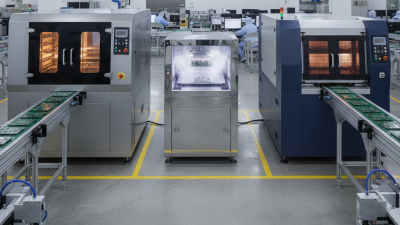
Consider the oven's footprint and design too. It should fit comfortably in your workspace. Pay attention to energy efficiency. Some models consume less energy, reducing operating costs. It may seem minor, but cumulative savings can add up. Remember that machine maintenance is an ongoing commitment. Always review the user manual thoroughly and conduct regular inspections to maintain optimal performance.
| Feature | Importance | Recommended Specifications |
|---|---|---|
| Heating Method | Critical for uniform heating | Convection or IR Heating |
| Temperature Range | Essential for various soldering needs | 150°C to 250°C |
| Number of Zones | Affects heating efficiency | At least 5 zones |
| Control System | For precise temperature control | PID Control or better |
| Size and Capacity | Depends on production volume | Large enough for SMT boards |
| Power Consumption | Affects running costs | Under 4 kW recommended |
| Software Compatibility | Ease of integration with production | Compatible with common CAD tools |
When considering the best reflow ovens in 2026, several top brands stand out. These models are designed for precision and efficiency in PCB assembly. Many buyers look for ovens that offer advanced temperature profiling capabilities. This feature ensures uniform heating across the entire circuit board. Models with programmable profiles provide flexibility, catering to different soldering needs.
Investing in a reflow oven often comes with challenges. It's important to assess the size and capacity that your operations require. Larger ovens can accommodate bigger boards but may consume more energy. Smaller models, while energy-efficient, may limit production throughput. Reflect on your specific needs before making a choice.
Tips for selecting the right oven include examining user reviews. Feedback from real users can provide insight into reliability. Research how often maintenance is needed. Some models might demand frequent calibration, leading to downtime. Consider the support and warranty offered by manufacturers. A good warranty can provide peace of mind, knowing that assistance is available if things go wrong. Remember, finding the right balance between cost and performance is crucial for long-term investment.
When budgeting for your reflow oven, several key factors come into play. The initial cost of the oven is just one aspect. Installation, maintenance, and operation costs must also be considered. Traditional models may have a lower upfront cost but could lead to higher energy expenses.
One essential tip is to evaluate your production needs before making a purchase. Consider the volume of work and types of materials you'll be using. This will ensure you don't overspend on features you may not use. Additionally, maintenance costs should not be overlooked. Regular servicing can prevent costly repairs down the line.
Another crucial element is the energy efficiency of the oven. Higher efficiency models tend to have a steeper initial price tag but save costs in the long run. Look for ovens with reliable performance ratings. Researching industry standards and reviews can provide insights into durability and efficiency. Balancing cost with these considerations can lead to a more practical purchase decision.
Maintaining your reflow oven is essential for ensuring its longevity and performance. Regular cleaning is a key aspect of maintenance. Remove any residue or solder splashes from the interior surfaces. This not only keeps the oven efficient, but also prevents contamination in future projects. Checking the heating elements is important too. Inspect them for even wear and proper functioning. Uneven heating can lead to defective solder joints.
Calibration of the temperature profile is another significant step. Over time, the settings might drift, affecting solder quality. Regularly document and adjust these settings based on performance feedback. Don’t forget to look at the conveyor system. Lubricate the components to avoid mechanical issues. Pay attention to unusual noises during operation as they may signal underlying problems.
Educational resources on reflow oven maintenance are available and can provide more depth. However, the effectiveness of these techniques often depends on implementation. Some users neglect routine checks, leading to costly repairs. Reflecting on your maintenance practices can uncover areas needing improvement, ultimately enhancing your reflow oven's lifespan. Investing time in maintenance fosters reliability in your manufacturing processes.