How to Choose the Best PCB Oven for Your Manufacturing Needs?
Choosing the right PCB oven can greatly impact manufacturing efficiency. Renowned expert in PCB technology, Dr. Emily Chen, once said, “The right oven makes all the difference in quality control and throughput.” This statement highlights the importance of selecting a suitable PCB oven tailored to specific production needs.
When considering a PCB oven, manufacturers should evaluate various factors. These include thermal profiles, energy consumption, and space limitations. Each manufacturing environment is unique. Investing time in research and comparison can prevent costly mistakes and inefficiencies down the line. No one wants to deal with a poorly functioning oven.
Understanding different types of PCB ovens is crucial. There are convection, infrared, and vapor phase ovens, each with their unique benefits and drawbacks. Not every oven is a perfect fit. Assessing operational goals and production scales will help narrow down the choices. Be ready to adapt and learn as the industry evolves.
Understanding the Role of PCB Ovens in Manufacturing Processes
In modern manufacturing processes, PCB ovens play a crucial role in ensuring product quality. The proper thermal management of circuit boards is vital. According to a report from IPC, nearly 70% of PCB failures stem from improper soldering techniques, often linked to inadequate temperature profiles. This highlights the significance of selecting an effective PCB oven tailored to specific needs.
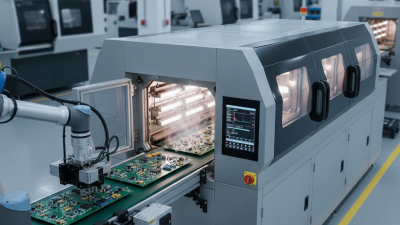
When choosing a PCB oven, consider your production volume and the types of boards you work with. A batch oven might suit low-volume manufacturers, while high-volume operations may require a conveyor oven for efficiency. Remember, the optimal temperature range is critical. Exceeding it can damage components, while insufficient heat can lead to poor solder joints.
Tips: Monitor your oven's performance regularly. Install thermocouples to measure temperature accuracy. This can help identify inconsistent heating patterns. Additionally, some manufacturers benefit from periodic maintenance checks.
Inaccurate temperature settings can lead to costly rework. Companies may overlook the importance of calibration, which is essential for ensuring consistency. Engage with experienced technicians for thorough assessments. Quality assurance should always remain a priority in your production processes.
How to Choose the Best PCB Oven for Your Manufacturing Needs?
| Feature |
Description |
Importance |
Recommended Range |
| Temperature Control Accuracy |
Precision in reaching and maintaining required temperatures |
High |
±1°C |
| Heating Speed |
Time taken to reach maximum operating temperature |
Medium |
10-15 minutes |
| Capacity |
Volume of PCBs that can be processed at one time |
High |
24" x 36" or customizable |
| Energy Efficiency |
Power consumption during operation |
Medium |
< 5 kWh |
| User Interface |
Ease of use and accessibility of controls |
High |
Touchscreen or programmable settings |
| Safety Features |
Protective mechanisms to ensure safe operation |
High |
Over-temperature shutoff, alarms |
Key Features to Consider When Selecting a PCB Oven
Choosing the right PCB oven for manufacturing is essential. Key features significantly impact your production efficiency. One of the most critical aspects is temperature uniformity. A report from IPC indicates that inconsistent temperatures can lead to improper soldering. This might result in lower product reliability and higher defect rates. It is crucial that the temperature does not exceed ±5 degrees Celsius across the entire oven.
Another vital factor is the oven's cooling tactics. Rapid cooling technology ensures that the PCB maintains integrity after the reflow process. According to a study by the Journal of Electronics Manufacturing, adequate cooling can improve component yield by up to 40%. Cooling should be efficient and fast without causing thermal shock to the components.
Additionally, consider the oven’s footprint. Space constraints can be a challenge in manufacturing environments. A compact design that still offers high capacity is ideal. Often, manufacturers overlook the importance of space and may end up with operational bottlenecks. Balancing size and capability is essential for an effective workflow. In the fast-paced PCB industry, making informed choices about these features can lead to significant improvements in quality and productivity.
Types of PCB Ovens and Their Applications in Electronics
When selecting a PCB oven, understanding the types available is crucial for optimal manufacturing processes. There are four primary types: convection ovens, infrared ovens, vapor phase ovens, and hybrid ovens.
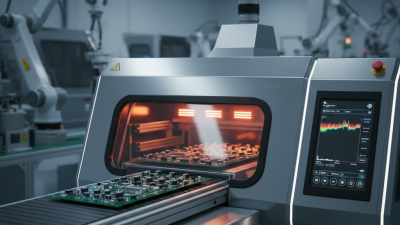
Convection ovens use heated air to solder components evenly. They are popular for their reliability and cost-effectiveness. According to industry reports, convection ovens account for nearly 40% of the market due to their versatility.
Infrared ovens excel in speed, providing quick heating. They use infrared radiation and are often chosen for high-volume production. Reports suggest that while effective, they may produce inconsistent results if not calibrated correctly.
Vapor phase ovens utilize boiling fluids to create a stable environment for soldering, ensuring uniform heat distribution. This method can be more costly but offers high accuracy and minimal thermal stress on sensitive components.
Hybrid ovens combine features of both convection and infrared models. Their flexibility attracts many manufacturers. However, they may require advanced operator training to maximize efficiency.
Decisions around PCB ovens impact overall production quality. With varying technologies, manufacturers should evaluate their specific needs and production volume before making a choice. Choices made today affect output tomorrow, emphasizing the need for careful consideration.
Evaluating the Cost-Effectiveness of Different PCB Ovens
Choosing the right PCB oven is crucial for your manufacturing process. Evaluating its cost-effectiveness can save you money. It also ensures high-quality production. A lower price doesn’t always mean higher value. You should analyze features and performance specs before deciding.
Energy efficiency is another factor to consider. An energy-efficient oven can reduce your operational costs significantly over time. Calculate the potential savings. Sometimes, a more expensive model pays off in reduced energy bills. However, this isn’t always the case. Sometimes, cheaper ovens consume more power.
Additionally, think about service and maintenance costs. An oven may have a lower initial cost but could require expensive repairs later. Predictive maintenance can be tricky. You might save upfront but face unexpected expenses down the line. Make budgeting decisions carefully, focusing on long-term benefits. Evaluate your current and future manufacturing needs as well. A perfect solution may not exist, but an informed choice can minimize drawbacks.
Maintenance and Best Practices for Optimal PCB Oven Performance
Maintaining optimal performance in a PCB oven is crucial for manufacturing quality. Regular checks on temperature calibration help ensure consistent results. Over time, sensors may drift. Ignoring this can lead to uneven heating and defective boards. Next, consider the oven’s airflow. Blocked vents can hinder performance and must be cleaned regularly. Efficient airflow promotes uniform heat distribution, which is essential for soldering.
Calibration protocols should be documented for reliability. This fosters a sense of accountability and helps in identifying recurring issues. Evaluate the heating elements as well; they can wear out, resulting in inadequate heating. A simple visual inspection can reveal early signs of wear. Regular maintenance can prevent unexpected downtime.
Implementing a training program can be beneficial. Operators who understand PCB oven mechanics will be better equipped to spot problems early. Sometimes, minor adjustments in the process can yield substantial benefits. Relying solely on automated systems may lead to complacency. A combination of skilled oversight and routine checks ensures that the oven operates at its best.