How to Choose the Best Smt Machines for Your Manufacturing Needs
In the rapidly evolving world of electronics manufacturing, choosing the right SMT machines is crucial for success. Renowned expert Dr. Emily Chen, a leader in automation technology, emphasizes, “Selecting the right SMT machines can define the efficiency of your production line.” Her insights reflect the importance of this choice.
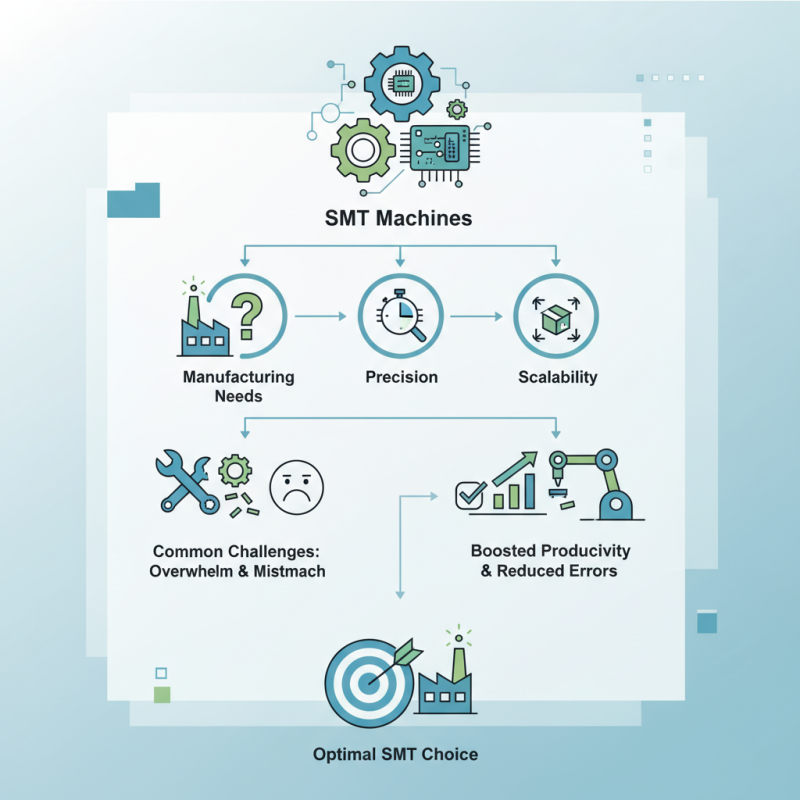
SMT machines vary widely in features and capabilities. Understanding your specific manufacturing needs is vital. Different industries require different solutions. The right choice can boost productivity and reduce errors. However, many companies grapple with this decision. It's easy to get overwhelmed by the options available in the market.
When evaluating SMT machines, consider factors like speed, precision, and scalability. Each machine has strengths and weaknesses. Not every machine fits every operation. Reflecting on these considerations can lead to better long-term results. Seek solutions that align with your unique production goals. By taking a thoughtful approach, you can navigate the complexities of selecting the best SMT machines for your manufacturing needs.
Understanding SMT Machines and Their Role in Manufacturing
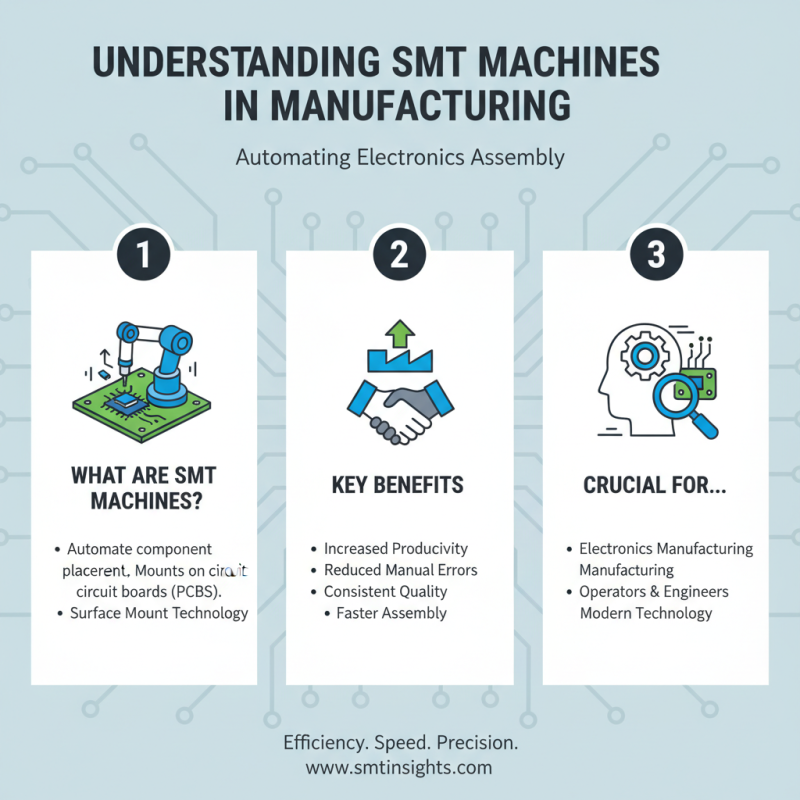
Surface Mount Technology (SMT) machines are crucial in modern manufacturing. They automate the assembly of electronic components onto circuit boards. This efficiency boosts productivity and reduces manual labor errors. Understanding how these machines function is key for operators and engineers.
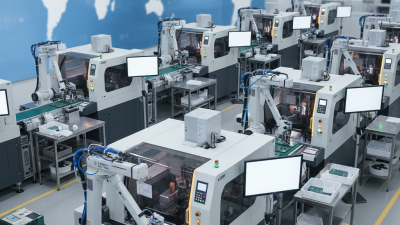
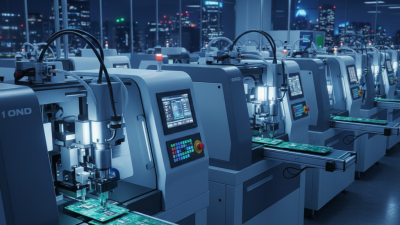
SMT machines utilize precise placement systems. They handle both small chip components and larger units. Accurate soldering techniques ensure strong connections. However, selecting the right machine can be challenging. Factors like speed, size, and component types are essential to consider.
While SMT machines improve the production process, they also require ongoing training. Operators must adapt to new technologies and techniques. There are often challenges, such as calibration issues and software updates. Regular maintenance is crucial to avoid downtime. Balancing efficiency with these concerns is vital for success.
Key Factors to Consider When Choosing SMT Machines
Choosing the right SMT machines is crucial for any manufacturing operation. One key factor to consider is the machine's capability. Different machines cater to various production volumes and complexities. For small batches, flexibility matters. Larger productions require efficiency and speed. Analyzing your specific needs will guide you to the right choice.
Another important factor is the technology behind the machines. Ensure you examine features such as placement accuracy and speed. Machines with advanced vision systems can enhance quality. However, they might come with a steep learning curve. Be prepared for a training process. Choosing based on immediate needs can overlook potential future requirements, leading to costly adjustments later.
Lastly, support and maintenance options are often underestimated. High-quality machines need regular upkeep, and reliable service is essential. Evaluate the manufacturer's support network. Consider response times and access to spare parts. A robust support system can make a significant difference in keeping operations running smoothly.
Types of SMT Machines and Their Specific Applications
When selecting SMT machines, understanding their types and applications is crucial.
Surface Mount Technology (SMT) machines come in various forms, each designed for specific tasks in electronics manufacturing.
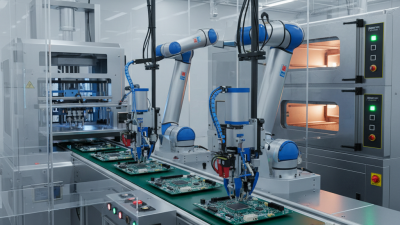
For example, pick-and-place machines are essential for placing components accurately onto circuit boards.
These machines enhance efficiency but require regular calibration to maintain precision.
In addition, reflow ovens play a vital role in soldering components.
They heat up printed circuit boards to ensure that solder melts and bonds correctly.
It's important to choose an oven that fits the scale of production.
Larger volumes might necessitate a high-capacity oven, which can be expensive and complex.
Tips for maximizing performance include: regularly maintaining your machines to avoid breakdowns and inefficiencies.
Consider the volume of production when investing in machinery.
Start small if you're new to SMT processes.
Additionally, continually assess your setup for areas of improvement.
Are you optimizing every step from placement to soldering? Reflect on these practices to streamline operations.
Evaluating Cost vs. Performance in SMT Machine Selection
When selecting SMT machines, cost and performance often clash. Manufacturers must grapple with budget constraints while seeking efficient production tools. A lower initial cost may lure businesses, yet it often leads to higher operational expenses. It’s crucial to analyze total cost over time, not just the sticker price. Consider maintenance costs, training needs, and energy consumption in your evaluation.
Performance metrics are essential in this equation. Speed, accuracy, and technology capabilities significantly impact productivity. A machine that performs well in one area might falter in another. It’s vital to prioritize the aspects most relevant to your manufacturing process. For instance, if your products require high precision, investing in advanced technology might justify the expense.
Moreover, gather insights from industry professionals. Real-world experiences can highlight potential pitfalls and advantages. Not all machines will suit your needs, and crucial details may emerge during this exploration. Trial runs or demonstrations can provide clarity on the performance you can expect. Balancing cost with performance requires careful consideration and sometimes, a bit of trial and error.
Future Trends in SMT Technology and Their Impact on Choices
As the landscape of Surface Mount Technology (SMT) evolves, staying informed about emerging trends is crucial. The industry is experiencing rapid advancements, particularly in automation and efficiency. These trends are shaping how manufacturers choose SMT machines.
The integration of artificial intelligence is transforming processes, allowing for more precise placements and reduced errors. Machines that leverage AI can adapt to various production requirements, ensuring flexibility and scalability for future needs.
Another significant trend is the emphasis on sustainability. Manufacturers are increasingly focused on reducing waste and energy consumption. Machines incorporating environmentally friendly technologies are becoming essential. This shift impacts purchasing decisions, as companies seek to balance productivity with ecological responsibility. However, the transition to greener practices can present challenges, such as higher upfront costs and the need for staff training.
The rise of Industry 4.0 is also influencing SMT machine selection. Smart factories utilize interconnected devices that gather real-time data. This connectivity enhances decision-making and streamlines operations. Yet, many manufacturers struggle with implementing these complex systems. Understanding how to integrate advanced technologies while maintaining production efficiency requires careful consideration and analysis. Adapting to these trends will ultimately guide manufacturers in choosing the right SMT equipment for their specific needs.