2026 How to Master Smt Reflow Techniques for Better Electronics Assembly?
SMT reflow techniques are critical in modern electronics assembly. According to recent industry reports, over 70% of electronic devices require effective SMT processes. The accuracy of SMT reflow can directly impact yield rates and product reliability. Studies show that improper reflow management leads to defects, causing a 30% increase in production costs.
Mastering SMT reflow involves understanding temperature profiles and component placement. Poor temperature control can result in solder joint failures or component damage. Engineers must regularly assess their reflow systems. A notable report from IPC states that only 40% of manufacturers optimize their reflow parameters. This reveals a significant opportunity for improvement.
Innovation in reflow technology is constant. Newer systems offer advanced monitoring features, yet many users still struggle with temperature inconsistencies. The challenge remains in aligning the equipment's capabilities with the unique needs of each assembly line. As SMT reflow techniques advance, staying informed and adaptable is essential for success in electronics assembly.
How Solder Paste Selection Affects SMT Reflow Process Efficiency
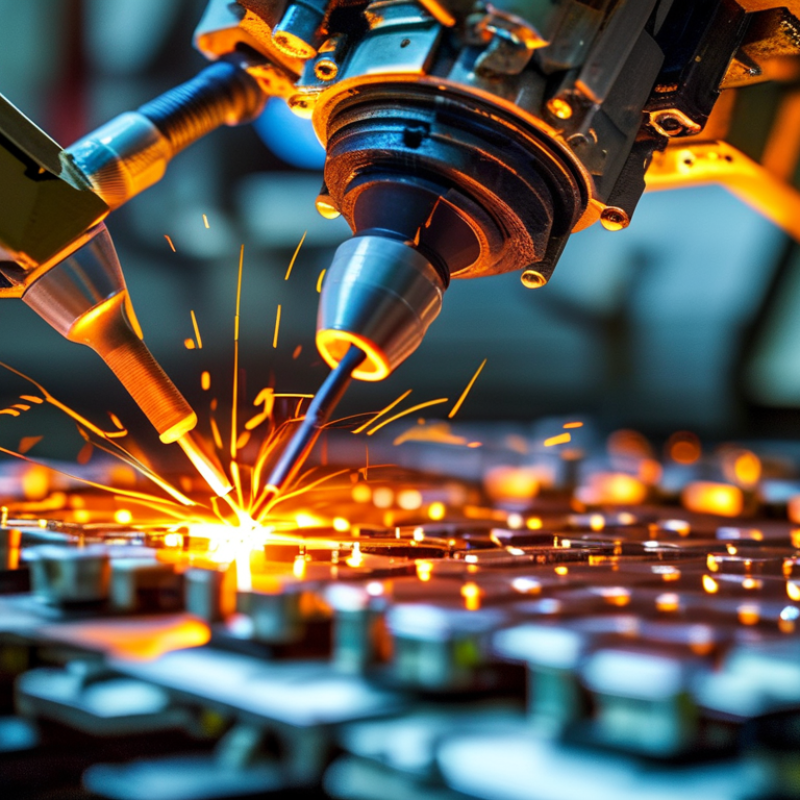
Choosing the right solder paste is crucial for efficient SMT reflow processes. Solder paste formulations vary significantly. The composition directly impacts the adhesion and flow characteristics during reflow. It affects how well components adhere to the PCB. This selection can enhance or hinder the quality of the final assembly.
Different applications may require specific properties from solder paste. For instance, low temperature solder pastes may suit temperature-sensitive components. However, they might not provide the strength needed for robust connections. Additionally, the stencil thickness and aperture design also play significant roles. If not aligned properly, even the best solder paste can lead to defects.
Selecting the wrong paste can lead to poor solder joints, increasing the risk of failure. Evaluating the specific needs of your project is essential. Experimenting with different paste types may reveal better options. Monitor the reflow profile as it can drastically change the outcome. Each element in the process deserves attention. Even minor adjustments can greatly influence the efficiency of your SMT assembly.
Understanding Temperature Profiles in SMT Reflow: Best Practices and Data
Understanding temperature profiles in SMT reflow is essential for successful electronics assembly. The reflow process involves a precise heating and cooling cycle, critical for soldering components onto a PCB. A well-defined temperature profile ensures that solder paste melts properly, creating strong connections. Inconsistencies can lead to defects like cold solder joints or insufficient melting.
Tips for achieving the right temperature profile include starting with a controlled ramp-up phase. Increasing temperature gradually helps avoid thermal shock to components. Maintain a steady soak phase where the temperature stabilizes. This allows for better wetting of the solder. Lastly, ensure a quick cool-down phase. Rapid cooling minimizes the risk of oxidation and enhances joint strength.
Be mindful of the specific materials you are working with. Different solder pastes and components have unique thermal characteristics. Not all profiles fit all situations. Evaluate your setup frequently. Use thermal profiling tools for real-time data. Adjust your profiles based on test results. Remember, learning from past mistakes can improve future assemblies. Constantly refine your techniques for the best outcomes.
Common Defects in SMT Reflow and Their Prevention Techniques
SMT reflow processes can lead to various defects, impacting the quality of electronics assembly. Understanding these common defects is crucial for successful production. One frequent issue is solder bridging, where unintended solder connects two pads. This problem often arises from excessive solder paste or improper stencil design.
Another major defect is tombstoning, where a component stands upright during reflow. This is typically caused by uneven heating or placement errors. A careful evaluation of your reflow profile can help mitigate this defect.
Tips: Make sure to use proper stencil apertures. Always check your placement machine calibration. Monitor your reflow oven temperature closely. By implementing these strategies, you can significantly reduce defects in your SMT processes and improve overall yield. Regularly reassess your methods to identify potential areas for improvement.
Impact of PCB Design on SMT Reflow Quality: Insights and Strategies
PCB design plays a crucial role in the quality of SMT reflow processes. According to a report by IPC, nearly 35% of assembly defects originate from poor PCB layouts. This highlights the importance of meticulous design work. Key design elements include the arrangement of components, pad sizes, and trace widths. Each factor significantly influences heat distribution during the reflow process.
Improper pad sizes can lead to insufficient solder joint formation. Inadequate heat flow may also cause thermal bridging, which affects the overall reliability of the assembly. Properly designed PCBs not only improve reflow quality, but can also reduce production costs by minimizing errors. Designers must consider factors like component density and solder paste application to enhance performance.
Tip: When designing PCBs, always keep in mind the recommended solder paste thickness. This impacts wetting and overall joint strength.
Additionally, component placement should be optimized to ensure uniform heat exposure during reflow. The thermal properties of materials used in PCB construction significantly influence reflow outcomes. Regular design reviews and simulations can prevent common pitfalls. By refining these aspects, manufacturers can improve yield rates and quality assurance.
Tip: Use simulation tools for thermal analysis during the design phase. This helps identify potential heat distribution issues before production begins.
Impact of PCB Design on SMT Reflow Quality
Improving Electronics Assembly Yield: Metrics and Tools for SMT Reflow
Improving yield in electronics assembly through SMT reflow techniques is crucial. The reflow process itself involves various metrics and tools that can greatly influence the final product quality. Understanding temperature profiles, for instance, is essential. An uneven temperature can lead to cold joints or solder voids, impacting reliability. Effective monitoring tools can help track these profiles in real-time, enabling adjustments as necessary.
Another key metric is the measurement of solder paste deposition. Insufficient paste can lead to weak connections, while excessive paste causes solder bridging. Utilizing automated optical inspection tools can provide immediate feedback on these issues. If these inspections are missed, the assembly may face higher failure rates later. Regular audits, despite consuming resources, reveal weaknesses and areas for improvement in processes.
It is important to train staff effectively, as human error often slips through. Proper training reduces reflow-related defects and enhances overall assembly yield. Focusing solely on automation without considering human factors can lead to oversights. A balanced approach, where technology supports skilled operators, tends to yield the best results. Learning from past mistakes in SMT reflow can guide future improvements.
2026 How to Master Smt Reflow Techniques for Better Electronics Assembly? - Improving Electronics Assembly Yield: Metrics and Tools for SMT Reflow
| Parameter |
Description |
Ideal Range |
Measurement Frequency |
| Reflow Temperature |
The peak temperature achieved during the reflow process. |
230°C - 250°C |
Daily |
| Soak Time |
Duration that components are held at preheat temperature. |
60s - 100s |
Weekly |
| Cooling Rate |
Rate at which the PCB cools after reflow. |
1°C/s - 4°C/s |
Daily |
| Void Rate |
Percentage of solder joints that contain voids. |
< 5% |
Weekly |
| Yield Rate |
Percentage of successfully assembled PCBs. |
> 95% |
Daily |