What is a Pcb Oven and How Does It Work?
In the realm of electronics manufacturing, the importance of a Pcb Oven cannot be overstated. This specialized oven plays a crucial role in the soldering process of printed circuit boards. According to Dr. Emily Carter, a renowned expert in PCB technology, "A Pcb Oven ensures precise temperature control for optimal soldering." Her insights highlight the oven's significance in achieving high-quality connections on PCBs.
Pcb Ovens come in various models, each designed to meet specific production needs. They function by applying a controlled heat profile to solder paste on the PCB. This process melts the solder, creating robust electrical connections. The details of temperature ramps and soak times are critical. Any deviation can lead to defects, which emphasizes the need for proper training and operation. Users must recognize that even small errors in temperature settings can yield significant issues.
Understanding the operation of a Pcb Oven is essential, yet many overlook its intricacies. This complexity invites reflection on best practices in usage and maintenance. Each step in the heating process must be carefully monitored. Only through expert knowledge and attention can manufacturers ensure reliability and performance in their products. Thus, familiarizing oneself with a Pcb Oven is not just beneficial; it is imperative for success in the electronics industry.
What is a PCB Oven and Its Role in Electronics Manufacturing?
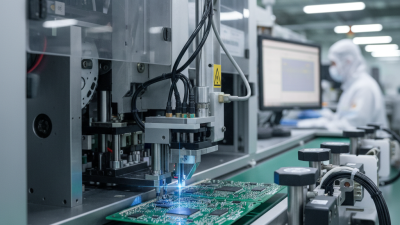
A PCB oven is an essential tool in electronics manufacturing. It is primarily designed for the reflow soldering process, crucial for creating reliable connections between electronic components and printed circuit boards (PCBs). The oven uses controlled heat to melt solder paste, allowing it to flow and bond components seamlessly. This process ensures that solder adheres properly, leading to improved electrical performance.
The role of a PCB oven extends beyond mere soldering. It aids in ensuring uniform thermal profiles across various PCBs. This uniformity is vital, as components can be sensitive to heat. An uneven application can lead to issues such as cold solder joints or even component damage. Many manufacturers often find that inconsistencies in heating lead to significant defects. Reflecting on these aspects is essential for optimizing production quality.
However, not all PCB ovens deliver consistent results. Certain models may struggle with temperature control or airflow distribution. These flaws can lead to wasted materials and increased production costs. Manufacturers need to continually assess their processes and equipment. Achieving high-quality outcomes demands attention to detail and a willingness to improve.
Key Components of a PCB Oven and Their Functions
A PCB oven is essential in electronics manufacturing. It utilizes heat to cure solder paste during the assembly process. This ensures that components adhere properly to the printed circuit board.
Key components of a PCB oven include the heating elements, temperature controller, and conveyor system. The heating elements generate heat evenly. This minimizes hotspots and ensures uniform curing across the board. A robust temperature controller helps maintain the required temperatures throughout the process. This is crucial for achieving a reliable solder joint.
The conveyor system allows PCBs to move smoothly through the oven. Its speed can be adjusted to accommodate different drying times. However, misalignment can occur and lead to inconsistent results. Finding the right balance is often challenging. Maintaining these components requires regular checks and calibration to ensure optimal performance. Many users sometimes overlook this maintenance, which can result in unsatisfactory solder joints and production delays.
How a PCB Oven Prepares Printed Circuit Boards for Soldering
A PCB oven is essential for preparing printed circuit boards for soldering. It ensures that the boards are heated uniformly, which is crucial for achieving good solder joints. The heating process removes moisture from the boards, preventing defects during soldering. This step is vital, as moisture can lead to problems like popcorn cracking and other reliability issues.
During operation, the PCB oven utilizes multiple heating zones. Each zone is set to a specific temperature profile. This gradual heating allows solder paste to melt evenly across the surface of the PCB. A consistent temperature helps achieve better adhesion between components and the board. However, if not calibrated properly, the oven may cause uneven heating. This inconsistency can lead to cold solder joints or component damage.
Monitoring the PCB oven parameters is important. Operators must check the temperatures frequently. A small deviation can result in significant issues later in the assembly process. Awareness of these potential pitfalls is crucial. Continuous improvement is necessary to refine the heating process. Learning from past experiences will enhance board quality and production efficiency.
The Process of Reflow Soldering in a PCB Oven Explained
A PCB oven is essential for reflow soldering. This process involves heating circuit boards to attach components securely. The oven heats the board in specific zones, creating a precise temperature profile. Understanding this profile is crucial, as improper heating can lead to poor solder joints.
During reflow soldering, solder paste is initially spread onto the PCB. Next, components are placed on the solder paste. The oven then heats the board gradually. The process steps include preheating, soaking, and reflow. Each stage requires careful monitoring. This ensures solder melts at the right time, creating reliable connections.
While PCB ovens are effective, challenges exist. Variations in component types can impact heating efficiency. Not all boards may respond well to the same settings. Sometimes, engineers must experiment to find the ideal parameters. This trial-and-error method can be time-consuming. However, it is essential for ensuring quality PCB assembly.
Temperature Profile in a PCB Oven During Reflow Soldering
Benefits of Using a PCB Oven in Electronics Assembly Processes
In the world of electronics assembly, a PCB oven plays a crucial role. This specialized equipment is used for the soldering process. It provides a controlled environment that helps in solder paste melting and component attachment. Using a PCB oven enhances the reliability of the solder connection, which is essential for electronic devices.
Benefits of using a PCB oven include improved consistency in results. A well-designed PCB oven maintains precise temperature profiles, ensuring uniform heating across the board. This leads to less thermal stress on the components, preserving their longevity. Additionally, it reduces the chances of defects caused by uneven soldering, which can result in costly repairs or product failures.
Tips: Ensure to regularly calibrate your PCB oven for optimal performance. Monitor the temperature and airflow within the oven. This can help avoid cold spots that may lead to insufficient soldering. It’s also essential to adapt the process based on the specific components used. Some materials may require different settings, so be ready to experiment for better outcomes. Poorly calibrated ovens can lead to significant issues, so embracing adjustments is key.