Top 10 Tips for Smt Oven Reflow Success in Global Sourcing
In the fast-paced world of electronics manufacturing, achieving optimal results with SMT oven reflow is essential. This process is critical in ensuring the reliability and performance of printed circuit boards (PCBs). Understanding the intricacies of SMT oven reflow can significantly impact global sourcing strategies.
Expertise in reflow soldering is crucial for businesses focusing on quality. Factors like temperature profiles, airflow, and paste application can make or break production. Various challenges may arise, such as inconsistent solder joints or component misalignment. Reflecting on common pitfalls is important. Learning from mistakes can pave the way for improvements.
Reliable production requires a comprehensive approach to SMT oven reflow. Investing time in training and equipment calibration can lead to better outcomes. Companies must balance speed with precision. Each step of the process demands attention for optimal results. In this competitive landscape, fine-tuning these practices is no small feat, but it is a worthy endeavor for long-term success.
Tips for Selecting the Right Smt Oven for Reflow Applications
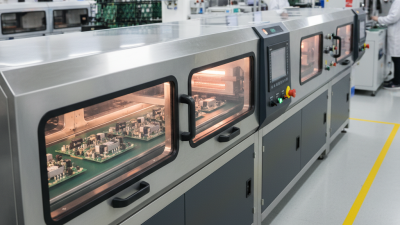
Choosing the right SMT oven for reflow applications is crucial for manufacturing success. A proper selection can enhance efficiency and product quality. Consider the oven’s temperature profiles. Different materials require specific heating rates. Look for flexibility in programming. Many ovens offer customizable profiles to match your needs.
Examine the size and capacity of the oven. An oven too small for your production rate may cause bottlenecks. You might end up with delays. Ensure it fits within your facility layout. Space is often a constraint; oversized equipment may lead to operational issues.
Assess the energy consumption of the oven. Higher-efficiency models could save costs in the long run. However, they may come with a higher initial expense. Weighing short-term costs against long-term savings is essential. Efficiency isn’t just about cost. A dependable oven also reduces waste and improves sustainability practices.
Understanding the Importance of Temperature Profiling in Reflow Success
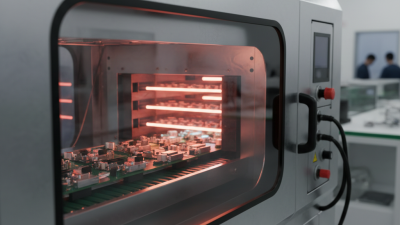
Temperature profiling is a critical aspect of achieving success in SMD oven reflow processes. Accurate temperature control ensures proper soldering and component placement. According to industry reports, nearly 50% of PCB defects are attributed to reflow issues. This emphasizes the need for precise temperature management in global sourcing operations.
Effective temperature profiling involves understanding the specific requirements of each material. Component types and solder paste characteristics can drastically influence the required thermal profile. A study by IPC indicates that improper temperature settings can lead to joint failures, a risk that no manufacturer can afford. Consistent monitoring of temperature gradients helps in mitigating these risks.
Gradual heating and cooling are essential in achieving optimal solder joint integrity. The common practice of rapid profile changes can result in thermal shock to components. Reports note that around 30% of defective boards relate to inadequate cooling time. Regularly revisiting and revising temperature profiles can enhance reliability and maintain competitiveness in sourcing decisions. It's crucial to regularly evaluate the effectiveness of these profiles against industry standards.
Best Practices for PCB Design to Enhance Reflow Performance
In PCB design, optimizing reflow performance is crucial for reliable solder joints. A study by IPC indicates that improper design can lead to a 30% increase in failures. Design choices directly impact thermal performance and solder flow. Specifically, using appropriate pad sizes ensures better wetting and less voiding during reflow.
Material selection plays a pivotal role. For instance, high thermal conductivity substrates enable efficient heat transfer. A report from Electronics Weekly highlights that materials like FR-4 can sometimes fail under high temperatures. This necessitates careful evaluation of substrate types based on the operational environment.
Another consideration is the placement of components on the PCB. Dense arrangements can create thermal bottlenecks. It’s essential to maintain adequate spacing, as recommended by IPC guidelines, to promote uniform heat distribution. This step is often overlooked but significantly influences the overall performance of the solder joints. Reflecting on mistakes in component placement can lead to better designs in future projects.
Key Metrics for Measuring Reflow Oven Efficiency and Effectiveness
Measuring the efficiency and effectiveness of a reflow oven is crucial in achieving success in global sourcing. Establishing key metrics can help identify areas for improvement. One essential metric is the thermal profile. Anomalies in the temperature curve can indicate potential problems. Monitoring this consistently ensures that solder joints are wetted properly. A consistent thermal profile enhances reliability in production.
Cycle time is another important metric. Longer cycle times can lead to inefficiencies and increased costs. Analyzing the time taken for each reflow process can uncover bottlenecks. Investigating these delays helps maintain optimal performance. Additionally, reject rates serve as a critical indicator of effectiveness. Tracking defects that arise post-reflow assists in pinpointing flaws in the process.
Furthermore, energy consumption metrics should not be overlooked. High energy usage can signal inefficiencies. Regular audits of energy costs can prompt necessary adjustments. These adjustments may enhance not just performance, but also sustainability. Reflection on these metrics can illuminate opportunities for improvement, enabling better decision-making.
Top 10 Tips for Smt Oven Reflow Success in Global Sourcing - Key Metrics for Measuring Reflow Oven Efficiency and Effectiveness
| Tip Number |
Tip Description |
Key Metric |
Target Value |
| 1 |
Optimize Thermal Profile |
Peak Temperature |
220°C |
| 2 |
Reduce Cycle Time |
Total Reflow Time |
180 seconds |
| 3 |
Regular Maintenance |
Downtime Frequency |
Once a month |
| 4 |
Monitor Airflow |
Airflow Rate |
1.5 m/s |
| 5 |
Control Humidity Levels |
Relative Humidity |
< 50% |
| 6 |
Training for Operators |
Training Hours |
40 hours/year |
| 7 |
Use High-Quality Materials |
Material Quality Score |
> 90% |
| 8 |
Implement IPC Standards |
Compliance Rate |
100% |
| 9 |
Analyze Failure Rates |
Defect Rate |
< 2% |
| 10 |
Continuous Improvement |
Efficiency Gain % |
> 5%/year |
Common Reflow Issues and Troubleshooting Techniques in SMT Processes
Reflow soldering can present various challenges in SMT processes. Common issues include insufficient solder joint quality, tombstoning, and warping of components. Each of these problems requires careful consideration and troubleshooting.
One approach to tackle solder joint quality is to examine the temperature profiles. If the temperatures are too low, the solder may not properly melt, leading to weak connections. Conversely, overheating can cause damage. Maintaining a balanced profile is essential.
Tombstoning occurs when one end of a component lifts during soldering. This often results from uneven heating. Ensuring uniform heat distribution is vital. Additionally, check for proper component placement and alignment before the reflow.
Warpage can affect soldering integrity. It is crucial to choose components designed to withstand the reflow process. Inspect components regularly for any signs of stress or deformation. Implementing these small changes can significantly improve your outcomes.