Top 10 Smt Pick And Place Machines Buyers Guide?
In the evolving landscape of electronics manufacturing, choosing the right SMT pick and place machine is crucial. These machines are the backbone of surface-mount technology, enabling precise placement of components on circuit boards. With numerous options available, buyers often face challenges in making informed decisions.
Investing in an SMT pick and place machine involves considering multiple factors. Speed, accuracy, and flexibility are vital features that can significantly impact production efficiency. However, many buyers overlook the importance of after-sales support and machine reliability. These aspects can make or break your production line.
Not all machines are created equal. Some may offer impressive specs but fall short in real-world application. It's essential to weigh the pros and cons of each model you encounter. Understanding your production needs and budget constraints will help you make a more informed choice. Ultimately, choosing the right SMT pick and place machine can lead to improved productivity and reduced costs.
Understanding SMT Pick and Place Machines: An Overview
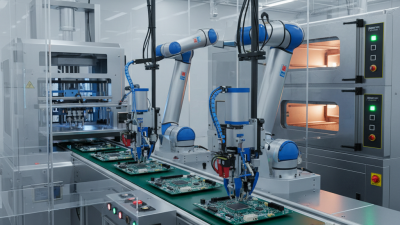
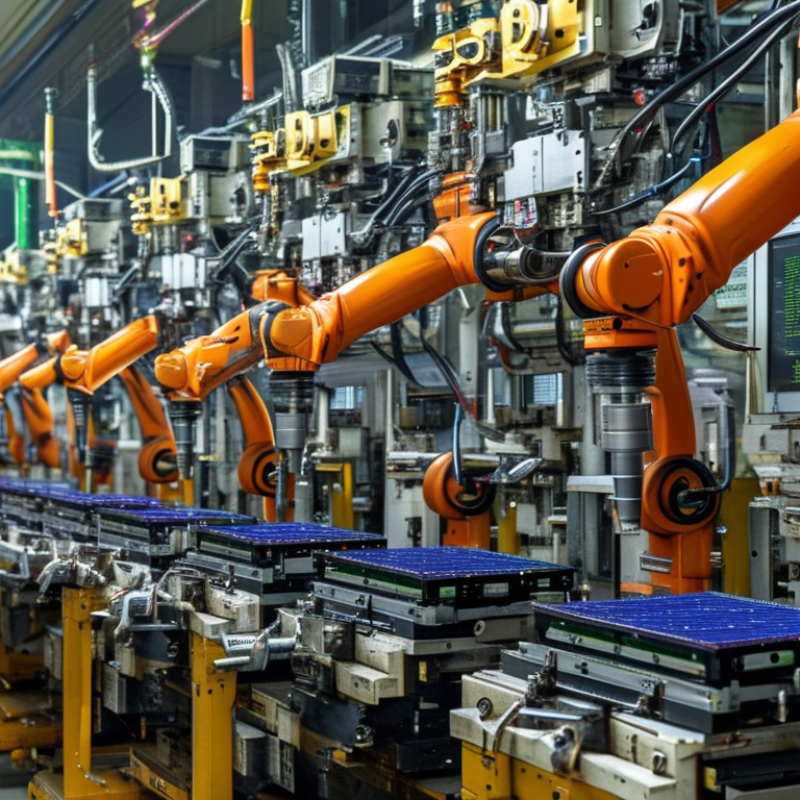
SMT pick and place machines are crucial in modern electronics manufacturing. They automate the process of placing components onto printed circuit boards (PCBs). Understanding the technology behind these machines can greatly benefit businesses in this sector.
A typical SMT pick and place machine uses a vacuum nozzle to pick up components and place them precisely on the board. This requires high accuracy and speed, essential for mass production. Many machines offer features such as vision systems for alignment verification. However, challenges exist. The initial setup can be complex and time-consuming. Operators need training to handle calibration and maintenance effectively.
Reliability is key when choosing a machine. Downtime can be costly, affecting overall productivity. Regular maintenance is critical to ensure optimal performance. Some businesses may underestimate this aspect, leading to longer-term issues. In comparison, sustainable practices can improve machine lifespan. Investing in advanced technology while maintaining a focus on operator training can provide significant advantages. Understanding these nuances is essential for making informed purchasing decisions in this competitive field.
Overview of SMT Pick and Place Machines
Key Features to Consider When Buying SMT Pick and Place Machines
When selecting an SMT pick and place machine, consider key features that impact performance and productivity.
Accuracy is paramount. Machines must place components precisely to ensure quality assembly.
Look for models with high placement accuracy rates and advanced vision systems for inspection.
Speed matters, but it shouldn't come at the cost of accuracy.
Balance your need for speed with your quality requirements.
Another vital aspect is program flexibility. An effective machine adapts to various component sizes and types.
This capability allows for smoother transitions between different production runs. Ensure the machine supports quick changeovers.
Ease of operation is also critical. User-friendly interfaces can drastically reduce training time and improve workflow efficiency.
Tip: Assess your production volume before investing. A high-speed machine may not be necessary for low-volume tasks.
Moreover, consider the machine's
maintenance requirements. Some machines demand more upkeep than others.
Regular maintenance can significantly extend a machine's lifespan. It also minimizes unplanned downtime.
Tip: Request access to manuals and support resources before purchasing. This will help gauge the manufacturer’s reliability and support network.
Choosing the right SMT pick and place machine requires careful consideration of these factors to meet your specific production needs.
Top Brands and Models of SMT Pick and Place Machines in 2023
In 2023, the demand for SMT pick and place machines continues to evolve. The market is projected to reach $5 billion by 2025. This growth is driven by the increasing need for precision and efficiency in electronics manufacturing. Many manufacturers seek machines that optimize both speed and accuracy, delivering reliable performance in various environments.
Top models in the industry focus on flexibility and adaptability. They can handle a wide range of components and board sizes. Studies indicate that machines with advanced vision systems can improve placement accuracy by up to 99.5%. However, integrating such technology can be challenging. Many companies report difficulty in training staff to utilize these advanced features effectively.
Durability is also a key consideration. Machines that can withstand high-volume production wear ensure longevity and reduced downtimes. But, maintenance issues are not uncommon. Users often reflect on the need for a balance between investment and operational efficiency.
As brands refine their offerings, it remains crucial for buyers to evaluate actual field performance alongside marketing claims.
Evaluating Cost-Effectiveness: Pricing Guidelines for Buyers
When considering an SMT pick and place machine, pricing is crucial. Buyers need to evaluate the long-term cost-effectiveness of their investment. A higher upfront cost may lead to savings down the line due to enhanced efficiency and reliability. Evaluate features and capabilities to ensure they align with production needs. Sometimes, machines with lower initial prices can incur higher operational costs.
Tip: Always assess the total cost of ownership. This includes maintenance, repairs, and potential downtime. A machine that seems affordable may require costly components and support.
Another important factor is the learning curve associated with different machines. While some models offer intuitive interfaces, others may require extensive training and adaptation. Investing time in training can mitigate potential inefficiencies.
Tip: Don’t overlook warranty and support options. A solid warranty helps cover unexpected repairs, reducing potential costs. A reliable support team can enhance operational efficiency if issues arise.
Balancing initial costs with long-term benefits is essential. It’s wise to explore all aspects of cost-effectiveness when making a decision.
Maintenance and Support: Ensuring Longevity of Your Purchase
Proper maintenance of SMT pick and place machines is crucial for longevity and efficiency. Regular servicing can enhance the machine's performance and minimize downtime. A report from IPC states that up to 70% of equipment failures can be attributed to inadequate maintenance practices. Thus, establishing a routine maintenance schedule can significantly reduce unexpected breakdowns.
Support services also play a vital role in ensuring the operational life of these machines. A recent survey by a leading industry association highlighted that manufacturers with strong support networks experience a 30% increase in machine uptime. Training staff on correct operational procedures can address many potential issues before they arise. However, many companies overlook this step, leading to costly repairs and production delays.
Understanding the importance of maintenance and support is key for buyers. Often, companies focus solely on initial costs without considering the long-term implications. Investing in support services and regular maintenance can offer a higher ROI. Neglecting these aspects may yield short-term gains but can lead to significant issues later.
Top 10 Smt Pick And Place Machines Buyers Guide
| Model |
Speed (CPH) |
Placement Accuracy (mm) |
Max PCB Size (mm) |
No. of Feeder Slots |
Support & Maintenance |
| Model A |
4000 |
0.05 |
450 x 350 |
16 |
1-year warranty, 24/7 support |
| Model B |
3500 |
0.06 |
400 x 300 |
12 |
2-year warranty, online tutorials |
| Model C |
5000 |
0.03 |
500 x 400 |
20 |
3-year warranty, on-site support |
| Model D |
4500 |
0.05 |
450 x 350 |
18 |
1-year warranty, maintenance packages |
| Model E |
3000 |
0.07 |
390 x 290 |
10 |
1-year warranty, email support |
| Model F |
5000 |
0.04 |
500 x 450 |
22 |
2-year warranty, flexible support options |
| Model G |
4200 |
0.05 |
440 x 340 |
15 |
3-year warranty, phone support |
| Model H |
4800 |
0.04 |
420 x 320 |
17 |
1-year warranty, comprehensive training |
| Model I |
3700 |
0.06 |
410 x 310 |
14 |
2-year warranty, remote support |
| Model J |
3900 |
0.05 |
430 x 330 |
19 |
1-year warranty, upgrade options |