China Top 10 Solder Reflow Ovens for Optimal PCB Assembly?
The field of PCB assembly is constantly evolving, and the choice of equipment is critical. "Solder Reflow Ovens" are essential for any quality-driven production line. These ovens are integral to achieving optimal soldering results. Renowned expert Dr. Alan Roberts, a leading figure in electronic manufacturing technologies, once stated, "The right Solder Reflow Oven can significantly impact the reliability of electronic assemblies."
Selecting the right oven is not just about specifications. It requires consideration of various factors, such as energy efficiency and temperature uniformity. Many manufacturers overlook initial costs for long-term reliability, which can lead to higher expenses. A poor choice can result in defective solder joints, compromising product integrity.
Navigating the market is challenging, as options vary widely. Understanding the latest trends is crucial for making informed decisions. Some models may seem advanced, yet they may not address specific needs effectively. Reflecting on these aspects will help companies select the best Solder Reflow Oven for their processes.
Overview of Solder Reflow Ovens in PCB Assembly
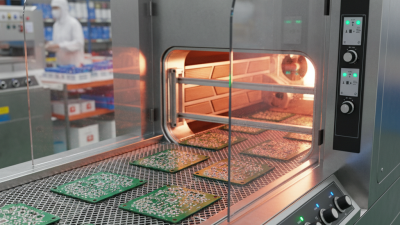
In PCB assembly, solder reflow ovens are essential for achieving optimal soldering results. These machines control temperature profiles during the reflow process, ensuring that solder paste melts properly and adheres to the PCB. According to industry reports, over 70% of assembly defects are due to improper soldering. Hence, selecting the right reflow oven can greatly enhance production quality.
Temperature management is crucial in the reflow process. A well-optimized temperature profile can prevent issues like tombstoning and cold solder joints. Many experts recommend following a standard profile that typically includes a preheat zone, a soak zone, and a reflow zone. Keeping the temperature uniform is vital for effective soldering. Thermal profiling tools can help ensure the proper settings are maintained.
Calibrating equipment regularly is important too. Regular maintenance can prevent equipment failure. Downtime can lead to higher costs and delays in production. Monitoring solder quality through visual inspections and X-ray analysis can help identify potential issues before they become critical. Consistent evaluation of the reflow process can lead to improvements and better reliability in production outcomes.
Key Features to Consider in a Solder Reflow Oven
Choosing the right solder reflow oven is crucial for optimal PCB assembly. When considering an oven, look for temperature control accuracy. A consistent temperature profile ensures reliable solder joints. Reports suggest that fluctuations can lead to defects, impacting overall production quality. An oven with a temperature drift of less than 2°C provides better reliability.
Another essential feature is the heating method. Convection ovens offer uniform heating, important for dense PCBs. Radiation and conduction methods may result in uneven heating, which can cause solder issues. According to industry analysis, convection ovens have a 15% higher efficiency rate compared to their counterparts.
Efficiency is important. Look for energy-saving features in ovens. Many modern reflow ovens now offer eco-friendly options that reduce power consumption by up to 30%. However, review the actual performance against the manufacturer's claims. Sometimes, advertised energy savings can be misleading.
Keep in mind the oven's physical size. Ensure that it fits your production line without causing bottlenecks. A compact design is often more versatile, yet it must accommodate your PCB sizes. Reflection on layout can save you time and prevent unnecessary complications. Always assess the specific needs of your operation.
China Top 10 Solder Reflow Ovens for Optimal PCB Assembly
| Model |
Heating Zones |
Max. Temperature (°C) |
PCB Size (mm) |
Control Type |
| Model A |
8 |
300 |
400 x 500 |
PLC |
| Model B |
10 |
320 |
450 x 600 |
Touchscreen |
| Model C |
12 |
350 |
500 x 700 |
PC Based |
| Model D |
6 |
280 |
350 x 500 |
Manual |
| Model E |
8 |
300 |
450 x 600 |
Automated |
Top Manufacturing Brands for Solder Reflow Ovens in China
In the realm of PCB assembly, solder reflow ovens play a crucial role. China is home to several leading manufacturers producing high-quality reflow ovens. These brands contribute significantly to the global electronics market, accounting for around 30% of the total supply in 2022, according to industry analysts.
When selecting a solder reflow oven, understanding the key features is essential. Most high-end models feature advanced temperature profiling technology. This ensures consistent heat distribution, which is vital for soldering precision. Some reports suggest that improper temperature control can lead to defects, impacting product reliability.
Manufacturers often strive for innovation. However, not all ovens meet the rigorous demands of modern assembly lines. Common issues include uneven heating profiles and maintenance challenges. A recent study indicates that about 15% of reflow oven users face operational inefficiencies in their processes. This situation calls for a careful evaluation of options available in the market.
Detailed Comparison of Leading PCB Assembly Solder Reflow Ovens
When selecting solder reflow ovens for PCB assembly, several factors play a crucial role. Thermal profiling is key. Each oven must offer precise temperature control for optimal solder melting. This ensures strong connections without damaging components. Many ovens provide adjustable heating zones, allowing users to customize profiles for specific projects. Understanding this feature can lead to improved assembly quality.
Efficiency in energy consumption is also important. Some ovens are designed to minimize energy use while maintaining performance. It can be challenging to balance power savings with the required output. Moreover, the ease of use is a vital factor when integrating new equipment. User-friendly interfaces can simplify operation, but they sometimes come with a learning curve. Reflecting on the setup process can highlight aspects that need improvement.
Another consideration is maintenance. Ovens require regular checks to ensure longevity and reliability. Users must be aware of potential pitfalls like inconsistent calibration. This can affect production rates and product quality. Regular training can enhance knowledge around maintenance practices and identify areas for further development. Understanding these details can empower manufacturers in their decision-making process.
Customer Reviews and Performance Insights on Top 10 Ovens
When selecting a solder reflow oven for PCB assembly, customer reviews can provide valuable insights. Many users emphasize the importance of consistent temperature control. Variations in heat can lead to poor soldering quality. A few ovens have received praise for their rapid heating capabilities. However, some customers noted that the calibration process can be tricky.
Performance reports often highlight user experience with setup and maintenance. Certain models are easier to operate, which can reduce training time. Users appreciate clear instruction manuals and responsive customer support. Yet, some ovens lack detailed documentation. This can lead to frustration during initial use.
Noise levels and energy consumption are additional factors. Many buyers prefer quieter ovens for a better working environment. While energy efficiency is crucial, not all ovens excel in this area. Some models may consume excessive power. This information reveals areas needing improvement, as energy costs grow more pressing. Understanding customer feedback leads to informed decisions in selecting a reflow oven.
China Top 10 Solder Reflow Ovens Performance Insights