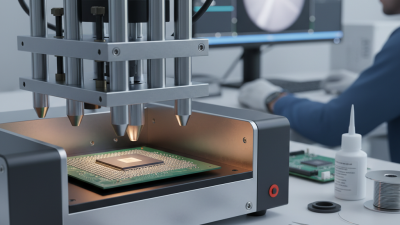
Top 10 Bga Rework Station for Perfect Repair Results?
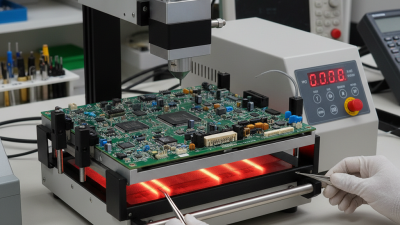
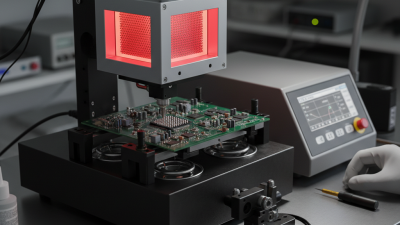
The BGA rework station is a crucial tool for electronics repair, particularly for circuit board rework. Choosing the right station can significantly impact repair quality and efficiency. With various models available, finding the perfect fit for your needs can be challenging. Many users often overlook key features when selecting their BGA rework station.
Several factors contribute to a station's efficacy. Temperature accuracy, adjustable settings, and ease of use are vital for achieving optimal repair results. A reliable BGA rework station can reduce the risk of component damage during the reflow process. Nevertheless, some technicians may still encounter difficulties, highlighting the importance of skill and experience.
In this article, we will explore the top 10 BGA rework stations currently available. Each listing will examine its functions and performance, stressing the need for hands-on practice to master use. Despite advancements, no station is perfect; understanding these limitations is essential for achieving consistent repair results.
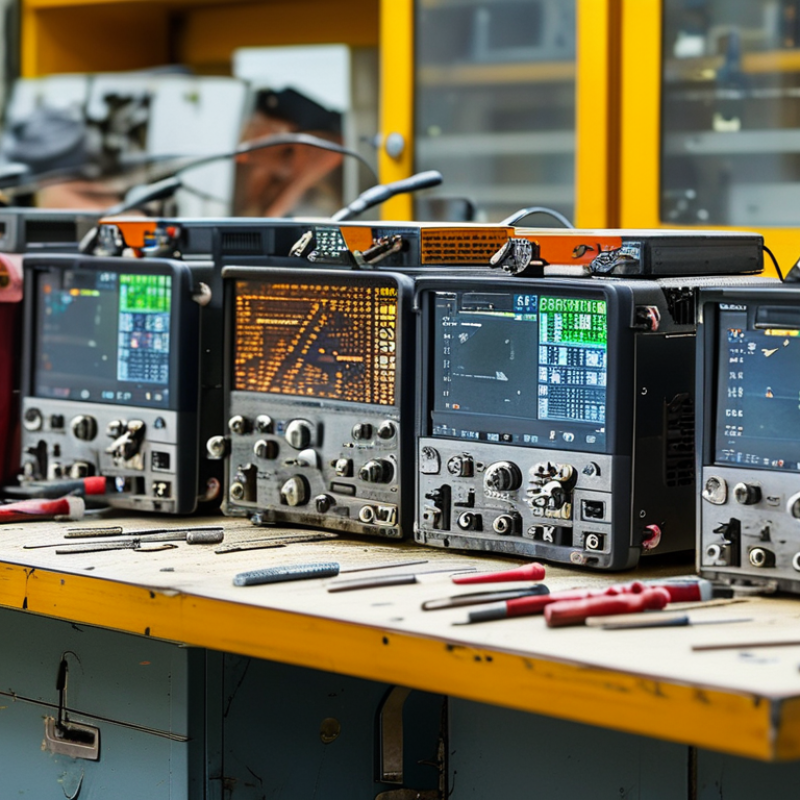
Understanding BGA Rework Stations and Their Importance
BGA rework stations are critical for modern electronics repair. They allow technicians to remove and replace ball grid array (BGA) components efficiently. According to industry reports, improper soldering can lead to a failure rate of up to 25%. Choosing the right rework station can drastically reduce this issue.
The importance of a reliable BGA rework station cannot be overstated. These tools provide precise temperature control, which is essential for maintaining component integrity. Research indicates that effective thermal profiles can improve repair success rates by 40%. Without proper equipment, technicians risk damaging sensitive electronic parts, leading to costly rework or product failure.
However, not all rework stations offer the same performance. Some units may heat unevenly, causing inefficient soldering. This can lead to cold joints or lifting pads, which negatively impacts device functionality. Continuous education and staying updated on technology trends are vital for effective repairs. Selecting a quality rework station is part of a broader strategy for long-lasting electronics repairs.
Key Features to Consider When Choosing a BGA Rework Station
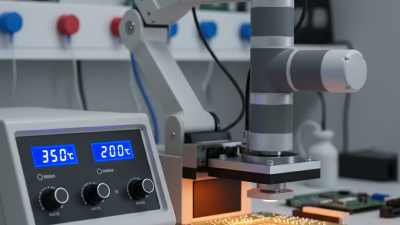
When selecting a BGA rework station, specific features are essential for achieving optimal repair results. First, consider the station’s temperature control capability. Precise temperature management is critical, as improper heating can damage components. Reports indicate that 70% of rework failures are due to inadequate thermal control.
Another important feature is the type of soldering tool included. Stations equipped with different nozzles allow for versatility, catering to various chip sizes and layouts. An adjustable suction tool can also improve placement accuracy. Without it, you risk misalignment, which can lead to further complications during repairs.
**Tips:** Always prioritize stations with user-friendly interfaces. A complicated setup can slow down your workflow and increase the likelihood of mistakes. Ensure you choose models with robust customer support. Testing resources indicate that a reliable support system can enhance long-term usage satisfaction by up to 50%.
Regular maintenance is also crucial. Even the best machines require cleaning and part replacements over time. Neglecting maintenance can result in decreased performance and higher error rates. Keeping a maintenance schedule will help you avoid unexpected failures.
Top 10 BGA Rework Stations for Perfect Repair Results
| Model |
Heating Type |
Temperature Range |
Heat Zone Control |
Dimensions (mm) |
Weight (kg) |
Price (USD) |
| Station A |
Infrared |
100°C - 350°C |
3 Zones |
500 x 400 x 300 |
10 |
1500 |
| Station B |
Hot Air |
120°C - 380°C |
2 Zones |
480 x 380 x 290 |
8 |
1200 |
| Station C |
Convection |
150°C - 400°C |
4 Zones |
550 x 420 x 310 |
12 |
1700 |
| Station D |
Infrared |
100°C - 360°C |
3 Zones |
520 x 410 x 295 |
11 |
1600 |
| Station E |
Hot Air |
125°C - 375°C |
2 Zones |
490 x 390 x 280 |
9 |
1300 |
Top 10 BGA Rework Stations for Optimal Performance
When it comes to BGA rework stations, achieving optimal performance is crucial for effective repairs. High-quality rework stations enhance precision and efficiency, making them essential tools in electronic repair environments. Selecting the right equipment is vital. It impacts not only the repair quality but also the time spent on each task. Factors like temperature accuracy and airflow control can significantly affect soldering results.
Many technicians overlook the importance of adjustable settings. An ideal station allows technicians to tailor the temperature and airflow based on the specific component being repaired. This customization is what differentiates a mediocre repair from a flawless one. However, not every station provides the flexibility needed for complex repairs. Tackling tricky solder joints often requires experimenting with different settings, which can lead to incomplete results if not done thoughtfully.
Moreover, some rework stations may be overpriced for the features they offer. It’s essential to weigh functionality against cost. Technicians often find themselves settling for less due to budget constraints. This compromise can hinder repair quality. Regular feedback from peers can guide better choices and help identify which aspects truly matter for performance, allowing for well-informed decisions based on real experiences.
Comparative Analysis of Popular BGA Rework Stations
When evaluating BGA rework stations, it’s essential to analyze various models based on specific criteria. Reports indicate that over 60% of repair technicians prioritize temperature control and airflow in their selections. Effective temperature profiles are crucial for preventing damage to components. An optimal station should achieve consistent heat distribution, helping in precise soldering and desoldering.
Many users report that ease of use is a primary factor in their decision. Stations with intuitive interfaces significantly reduce learning curves. Furthermore, industry data suggest that stations featuring programmable settings enhance repeatability. Notably, around 30% of technicians noted struggles with inconsistent temperature settings leading to failed repairs. This highlights a critical area for improvement in certain models.
Durability is another aspect of importance. Statistics show that 50% of users experience issues with build quality over time. A robust station can withstand daily usage better than lesser models. Reflecting on these insights, it’s clear that while various options exist, not all meet the high standards required for professional repairs. Technicians should consider their specific needs and experiences when evaluating these tools.
Tips for Effective Use and Maintenance of BGA Rework Stations
Effective use of BGA rework stations is crucial for optimal repair results. According to industry reports, over 30% of PCB failures stem from improper soldering. This emphasizes the need for precision and proper technique. Ensuring a clean and stable working environment enhances performance. Regularly inspect your tools and materials. Improper handling can lead to damage or subpar results.
Maintenance is key to longevity. Calibration of temperature settings is essential. Most experts recommend a calibration check every three months. Inconsistent temperatures can cause solder joints to weaken. Ensure your station's tips are clean. Residue can hinder the heating process. Additionally, mastering the skill of component placement can reduce repair times significantly, as studies indicate a 25% increase in efficiency with practiced hands.
Reflecting on the learnings from past repairs can foster improvement. Many technicians underestimate the importance of proper airflow and thermal management. Often, overheating components leads to irreversible damage. It is vital to assess each repair scenario individually. Adapting techniques based on component size and type can yield better outcomes. Gathering feedback from the repair team helps identify areas for growth. Consistent practice and open communication enhance overall efficiency.
Top 10 BGA Rework Stations Performance Comparison