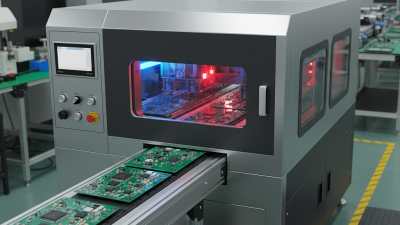
Top Solder Paste Inspection Machine for Global Buyers?
The search for the top Solder Paste Inspection Machine has gained momentum among global buyers. Experts say these machines are crucial for ensuring high-quality soldering in electronic manufacturing. James Anderson, a well-respected authority in the industry, once remarked, "A reliable Solder Paste Inspection Machine can significantly enhance production efficiency."
Modern electronics demand precision. An inefficiency here can lead to costly errors. Buyers must evaluate features carefully, as not all machines offer the same capabilities. Some machines provide advanced imaging technology, while others may lack this critical feature. Identifying the right balance of cost and functionality is vital.
Quality assurance is paramount. Investing in a Solder Paste Inspection Machine is not just a trend but essential for achieving excellence. Yet, the choices can be overwhelming. Buyers must reflect on their specific needs. The ideal machine should align with production goals and budgetary constraints. They should consider the long-term benefits over short-run savings. By focusing on quality, businesses can avoid potential pitfalls in their production processes.
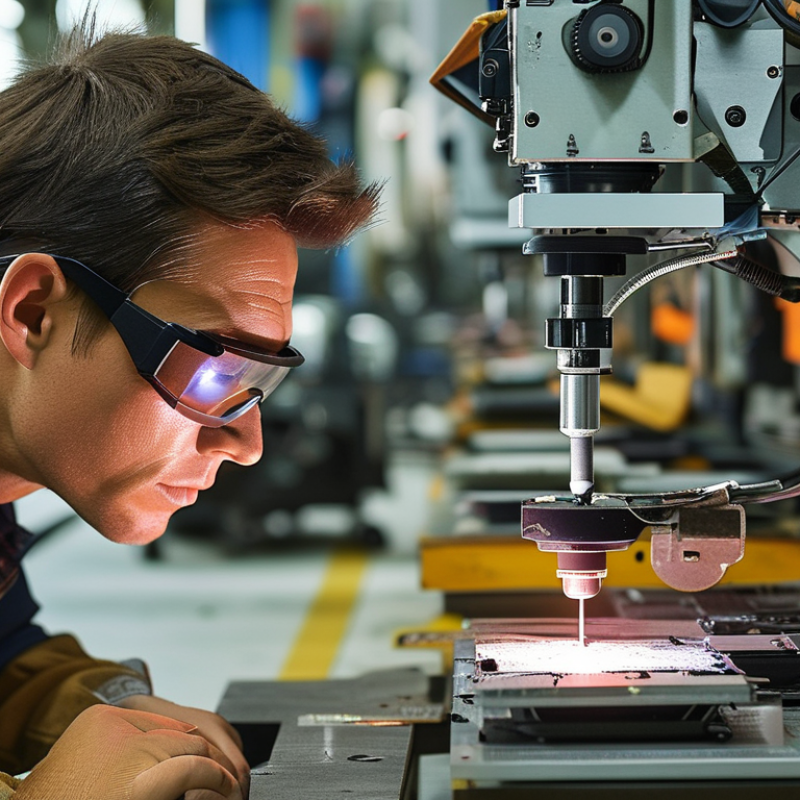
Overview of Solder Paste Inspection Machines in the Global Market
Solder paste inspection machines play a vital role in the electronics manufacturing industry. These machines ensure the quality of solder paste application on circuit boards. As technology advances, the demand for high-precision inspection systems has surged globally. Buyers often seek machines that offer reliability and high accuracy to meet their production needs.
Choosing the right solder paste inspection machine can be daunting. Many models feature different technologies, such as 2D and 3D inspection capabilities. 2D models capture images to analyze paste height and area, while 3D models provide more detailed information. However, buyers may find themselves overwhelmed by technical specifications. It is essential to assess the specific requirements of your production line before making a decision.
Tips: Consider the machine's compatibility with various paste types. Also, look for models that offer user-friendly interfaces. Regular maintenance can prevent issues arising from wear and tear. Evaluate your workflow to find a machine that integrates seamlessly into your existing setup. Remember, investing in a solder paste inspection machine is a long-term commitment. Ensure it meets both current and future production demands.
Key Features to Consider When Choosing a Solder Paste Inspection Machine
When selecting a solder paste inspection machine, there are several key features to consider. One important aspect is the inspection technology used. Various methods like 2D and 3D inspection can influence the accuracy of the machine. 2D inspection is typically faster, while 3D can provide more detailed data on paste volume and shape.
Tips: Evaluate your production needs carefully. Do you prioritize speed or accuracy? Understanding this will guide your choice effectively.
Another feature to consider is the software capability. A user-friendly interface can enhance productivity. The software should allow for easy data analysis and reporting. This is essential for organizations that need to track quality metrics over time.
Moreover, look at the machine’s adaptability. Can it handle different PCB types and sizes? Machines that offer flexibility will save you time and resources.
Tips: Document any challenges you face with current machines. This reflection may reveal essential features you need in a new investment. Consider future scalability as well. Will the machine grow with your business demand? This foresight can protect your investment.
Top Brands and Models of Solder Paste Inspection Machines Available Today
In the competitive world of electronics manufacturing, solder paste inspection machines play a critical role in ensuring quality. These machines help identify defects that can lead to poor solder joint reliability. According to industry reports, over 75% of electronic manufacturers consider solder paste inspection essential for maintaining production standards.
Several reputable brands offer various models tailored to specific needs. Typical inspection machines use advanced algorithms and high-resolution cameras, enabling accurate detection of paste deposit volumes, sizes, and shapes. For instance, many machines assess the height and area of solder paste deposits to meet IPC standards. The data shows that approximately 90% of defects can be mitigated by utilizing such systems.
Efficiency remains a significant concern for manufacturers. Some solder paste inspection machines struggle with throughput, which can impact production lines. The average time taken for inspection often ranges from 5 to 15 seconds per board. Buyers must consider the balance between speed and accuracy. Continuous improvements are necessary in design to handle evolving challenges in solder paste consistency and variability in component sizes.
Top Solder Paste Inspection Machine for Global Buyers
| Model |
Resolution |
Speed |
Detection Accuracy |
Price Range (USD) |
| Model A |
10 μm |
300 mm/s |
99.8% |
$20,000 - $25,000 |
| Model B |
15 μm |
250 mm/s |
99.5% |
$15,000 - $20,000 |
| Model C |
12 μm |
350 mm/s |
99.7% |
$22,000 - $28,000 |
| Model D |
8 μm |
400 mm/s |
99.9% |
$30,000 - $35,000 |
Comparison of Solder Paste Inspection Technologies and Their Applications
Solder paste inspection (SPI) technologies play a crucial role in PCB manufacturing. Accurate inspection ensures optimal solder quality and electronic reliability. According to IPC's "A Study of Solder Paste Inspection," nearly 50% of defects arise from solder paste application. This makes SPI essential in early defect detection.
Three primary SPI technologies dominate the market:
2D inspection,
3D inspection,
and
X-ray inspection.
Each method has distinct advantages.
2D systems are cost-effective and suitable for basic applications. However, they may miss critical depth information. In contrast, 3D systems offer a comprehensive view, capturing paste height and volume. Data from industry reports indicate that 3D inspection can reduce defects by up to 30%.
X-ray inspection excels in complex assemblies, particularly in hidden solder joints. Yet, it requires significant investment and might not fit every production line.
As manufacturers embrace automation, SPI's adoption is rising. A recent report from Market Research Future predicts a 7% CAGR for the SPI market by 2025. Nevertheless, companies face challenges in integrating these technologies smoothly. Staff training and maintenance remain barriers. The constant evolution of components further complicates the situation, necessitating ongoing evaluation of inspection processes to adapt effectively. Adapting to these changes can enhance quality assurance and production efficiency.
Future Trends in Solder Paste Inspection Machine Development and Innovation
The solder paste inspection machine (SPI) market is evolving rapidly. With the increasing complexity of electronic assemblies and the push for higher quality, innovation in this field is crucial. Emerging trends focus on bringing advanced technologies like artificial intelligence and machine learning into SPI machines. According to the latest industry reports, these innovations could enhance detection rates of defects by up to 30%. This advancement is vital as the global market demands more reliable and faster inspection processes.
One of the key trends is the integration of 3D inspection capabilities. Traditional 2D inspections often miss subtle errors. The shift to 3D allows for a more comprehensive analysis of solder paste volume and placement. This means fewer defects slipping through the cracks. Additionally, reports suggest that automation will reduce inspection time by 20%, improving overall efficiency on production lines.
Tips: Regular updates and maintenance of inspection technology are crucial. Companies must invest in training their staff on new systems. Periodic evaluations of inspection accuracy can prevent future costly setbacks. Given the rapid pace of technological advancement, evaluating SPI machines every few years is wise. Take note of the evolving needs of the production line and stay ahead in the competitive landscape.