inquiry
Leave Your Message

Who Are the Top Surface Mount SMT Manufacturers in China?

China’s surface-mount industry sits at the center of a fast-moving electronics supply chain. The World Semiconductor Trade Statistics (WSTS) autumn 2024 forecast put global chip sales at $627.6 billion for 2024, up 19.1% from 2023. This is not an SMT-market estimate. It does, however, signal expanding demand for the components assembled on SMT lines. For buyers, a factory tour can reveal more than a polished brochure: inspect feeder setup, solder-paste control, and traceability records.

A useful expert perspective comes from John W. Mitchell, president and CEO of IPC, the electronics manufacturing trade association. His public emphasis on workforce, standards, and supply-chain capability can be paraphrased this way: “Reliable electronics manufacturing depends on skilled people, consistent processes, and strong industry standards.” This is a paraphrase, not a verbatim quotation. IPC’s standards and industry research offer useful reference points, but supplier claims still need independent verification.

This guide compares leading Surface Mount Smt manufacturers in China through practical criteria: production capacity, process control, inspection systems, certifications, and experience with different product volumes. Look for evidence, not adjectives. Ask how a supplier handles a misaligned component, a changing bill of materials, or a tight delivery window. A perfect scorecard is rare. Even strong manufacturers may differ in engineering support, communication, and flexibility, so the best choice depends on your product and risk tolerance.
Who Are the Top Surface Mount SMT Manufacturers in China?

What Surface Mount Technology (SMT) Manufacturers Produce

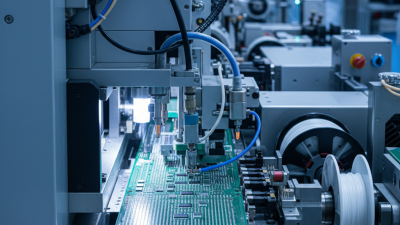
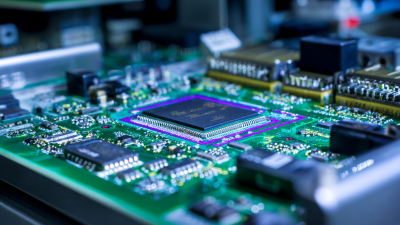
Surface mount technology (SMT) manufacturers produce electronic assemblies by placing components directly onto printed circuit boards. These products range from compact control boards to larger power and communication assemblies. A typical production line uses solder paste printing, automated component placement, and reflow ovens. The result is a board populated with resistors, capacitors, chips, and connectors.

Manufacturers may also provide stencil design, prototype runs, inspection, and functional testing. Optical inspection checks component position and solder joints. X-ray inspection can help examine hidden connections beneath certain packages. Capabilities vary by factory, so buyers should match the production process to the board’s design, volume, and reliability needs. A fast line alone does not guarantee a dependable assembly. Small details matter.

Tips: Share clear assembly drawings and a component list. Ask how the factory handles parts substitutions and inspection records. For a prototype, check connector fit and board dimensions by hand. It sounds basic, but this step can catch an awkward enclosure mismatch. Discussing test coverage early can prevent costly changes later. Some specifications may still need refinement after the first build; that is normal, but document every approved change.

What Equipment Does an SMT Production Line Use?

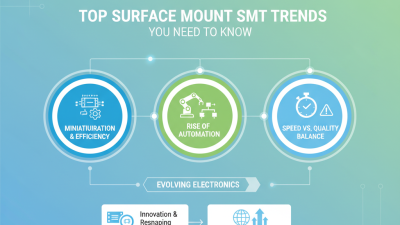
A representative single-lane SMT line combines printing, inspection, component placement, soldering, and post-process inspection equipment. Counts below illustrate one possible setup—not an industry-wide average; actual line configurations vary by product and required throughput.

How China’s SMT Manufacturing Industry Is Organized

China’s SMT manufacturing industry is better understood as a connected network than as a single list of factories. It includes electronic design teams, printed circuit board suppliers, component distributors, assembly plants, and testing providers. Each group handles a different stage, though larger manufacturers may combine several services under one roof.

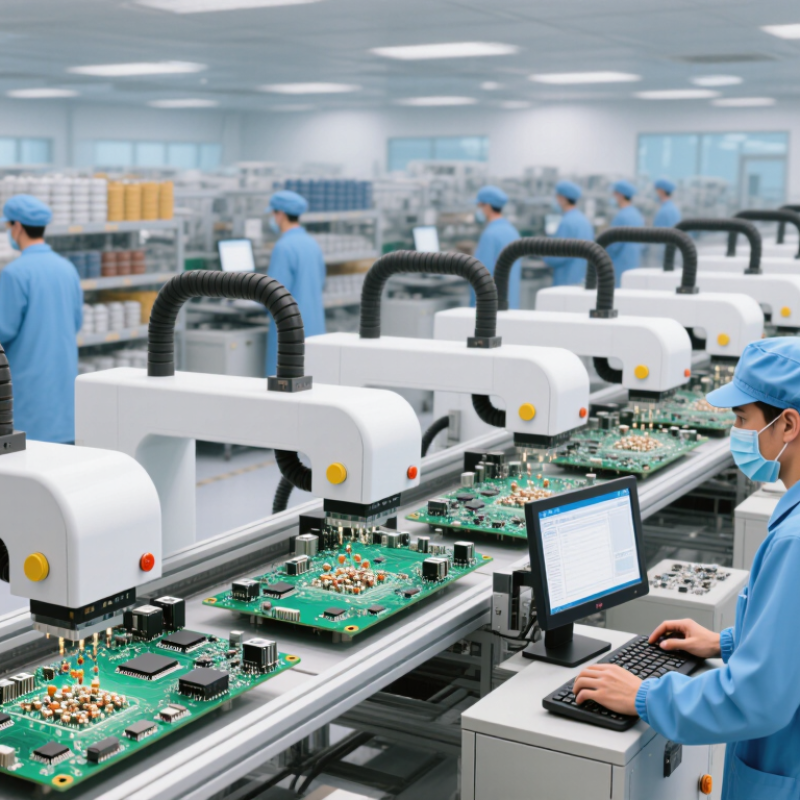
Assembly plants range from small workshops serving local product makers to high-volume contract manufacturers. Their capabilities can vary in line spacing, component handling, changeover speed, and inspection depth. A production floor may hold automated pick-and-place machines, solder paste printers, and reflow ovens, while technicians check sample boards under bright inspection lamps.

Automated optical inspection catches visible placement and solder defects; functional testing checks whether a finished board performs as intended.

Details matter.

Regional clusters help companies coordinate sourcing, tooling, and delivery, but proximity alone does not guarantee reliable output. Buyers typically examine process controls, traceability records, engineering support, and how a supplier manages design changes.

A factory may quote quickly yet struggle with a complex prototype. That gap is easy to miss. The industry’s organization is practical, but not perfectly tidy: capabilities overlap, and supplier descriptions do not always reveal what equipment or expertise is available on the production line.

Criteria for Identifying Leading SMT Manufacturers in China

A leading surface-mount manufacturer is not defined by equipment alone.

Check whether its engineers can explain how they control solder paste, placement accuracy, and reflow temperature for your board. Ask to review process records, not just machine specifications. Useful evidence includes solder paste inspection results, automated optical inspection images, defect trends, and corrective-action reports. Details matter.

Capacity should match the product, not merely sound impressive. A factory handling fine-pitch components may still struggle with mixed, low-volume orders. Discuss component sourcing controls, lot traceability, change management, and how urgent engineering questions are handled. Request a sample build using representative parts and inspect the boards under magnification. Look closely at solder joints, polarity, and connector alignment. Then compare reported defects with the physical results.

Be cautious with claims that offer no measurable data. A polished factory tour can hide gaps in routine process control.

I would also check how openly the supplier discusses limitations; no process is flawless, and honest answers are often more useful than perfect-looking presentations.

Profiles of Notable Surface Mount SMT Manufacturers in China

China’s surface-mount manufacturing landscape includes large, high-volume factories, engineering-focused contract manufacturers, and smaller prototype specialists. These profiles describe different operating strengths, not a verified ranking. Capacity alone says little about whether a factory suits a particular product.

High-volume manufacturers may offer automated placement lines, solder-paste inspection, and established production controls. Buyers should ask how the factory handles component traceability, change approval, and recurring defects. Request sample inspection records. A busy production floor is not proof of consistent quality. Look for clear answers about process monitoring and corrective actions, rather than impressive equipment lists alone.

Mid-sized engineering-led manufacturers can be useful when designs need review before production. Their teams may flag tight component spacing, awkward panel layouts, or parts with uncertain supply. Prototype specialists, meanwhile, may offer shorter runs and closer communication, though pricing and lead times can vary. Details matter. A polished website can still leave practical questions unanswered, and even a capable supplier may not fit every board. Compare documented capabilities, sample builds, and communication habits against the product’s actual needs.

Who Are the Top Surface Mount SMT Manufacturers in China? - Profiles of Notable Surface Mount SMT Manufacturers in China

The table below compares common SMT manufacturing profiles and verifiable process considerations. It is a capability overview, not a company ranking; actual equipment, certifications, and production limits vary by facility and should be confirmed directly.

Manufacturing Profile Typical SMT Scope Relevant Process or Standard What Buyers Should Verify
High-mix, low-volume assembly Frequent product changeovers, prototype builds, and small production batches. Controlled work instructions and traceable material handling help manage product variation. Minimum order quantities, changeover lead time, prototype support, and revision control.
High-volume electronics assembly Repeat production using automated solder-paste printing, component placement, and reflow soldering. Automated optical inspection (AOI) can check visible assembly features after placement or soldering. Line capacity, yield reporting, production scheduling, and the inspection plan for each product.
Fine-pitch and advanced-package assembly Assembly of boards with fine-pitch leads or packages such as BGAs, subject to the facility’s equipment and process limits. X-ray inspection can help assess hidden solder connections, including joints beneath BGA packages. Supported package sizes, placement accuracy, inspection coverage, and demonstrated experience with comparable designs.
Automotive-oriented assembly Electronics production intended for automotive supply chains, where customer and product requirements may be demanding. IATF 16949 is a quality management system standard for the automotive industry; certification does not by itself establish product suitability. Current certificate scope, customer-specific requirements, traceability, change management, and product-level validation.
Quality-system-focused assembly SMT production supported by documented quality processes and defined inspection records. ISO 9001 specifies requirements for a quality management system; it is not a certification of a particular product’s performance. Certificate validity and scope, corrective-action process, inspection records, and control of nonconforming product.
Lead-free process assembly Assembly using lead-free solder materials where required by the product specification or applicable regulations. Reflow settings must be developed for the solder paste, components, PCB, and assembly; one temperature profile is not suitable for every board. Material declarations, profile validation, segregation controls where needed, and compliance documentation for the target market.
Inspection and test-integrated assembly SMT assembly combined with inspection and, where specified, electrical or functional testing. IPC-A-610 provides acceptability criteria for electronic assemblies; J-STD-001 covers requirements for soldered electrical and electronic assemblies. Applicable document revision and acceptance class, test coverage, test-fixture responsibility, and handling of test failures.

Note: Standards and certifications should be checked against the relevant facility, certificate scope, product, and contract requirements. Capability descriptions above are general industry information and do not imply that every SMT manufacturer offers every process.

How to Compare SMT Manufacturers for a Project

When comparing surface-mount manufacturers in China, match the factory’s process capability to your actual board, not just its advertised machine count. Ask for placement accuracy, solder-paste inspection coverage, reflow profiling, and documented first-pass yield from comparable products. Request a sample traveler or anonymized inspection record. Ask how the team handles fine-pitch parts, mixed-technology boards, and last-minute component substitutions. Details matter.

Capacity is not the same as flexibility. Check feeder availability, changeover time, prototype support, and how production data follows each board through inspection. Deloitte’s 2024 Smart Manufacturing Survey reported that 86% of surveyed manufacturing executives saw smart manufacturing as a likely primary driver of competitiveness over the next five years. For an SMT project, that makes traceable process data worth checking: can the factory link a defect to a placement program, solder-paste result, or reflow profile? Ask for a live demonstration, not only a presentation. Keep in mind that survey findings span manufacturing sectors, not SMT suppliers alone.

Compare quotations line by line: tooling, testing, inspection, packaging, and material sourcing can hide real cost differences. Confirm which IPC workmanship criteria the supplier uses, and agree on acceptance requirements before the first build. A spreadsheet can still mislead. I’d weigh responsiveness and clear corrective-action records alongside price; these are harder to score, but often reveal how a factory will handle a problem at 2 a.m.