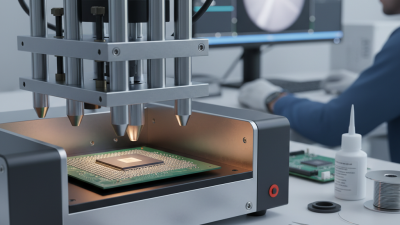
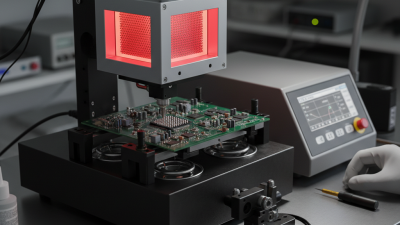
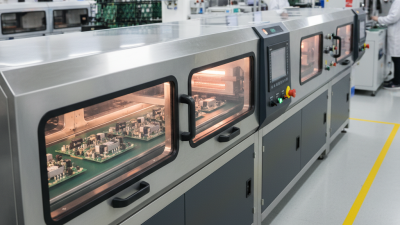
2026 Best BGA Rework Station for Professional Use?
In the rapidly evolving electronics industry, the demand for efficient and reliable BGA rework stations has grown significantly. According to a recent industry report by MarketsandMarkets, the global rework and repair market is expected to reach an estimated value of $1.2 billion by 2026, highlighting the critical need for high-quality equipment. A BGA rework station is essential for professionals who aim to maintain precision in the assembly and repair processes of high-density printed circuit boards.
Professionals require more than just basic functionality; they need advanced features. The capability to handle various chip sizes and types is crucial. Moreover, thermal management is a vital aspect. Inadequate heat transfer can lead to component damage or poor connections. Many existing stations fall short in either performance or usability. This gap presents an opportunity for improvement, as feedback from industry users often points to a need for better design and ease of operation.
Navigating the options can be overwhelming for technicians. A BGA rework station must strike a balance between technology and user experience. The best choices not only facilitate effective rework but also enhance productivity. As we explore the top BGA rework stations for 2026, quality, innovation, and user feedback will play pivotal roles in our evaluation.
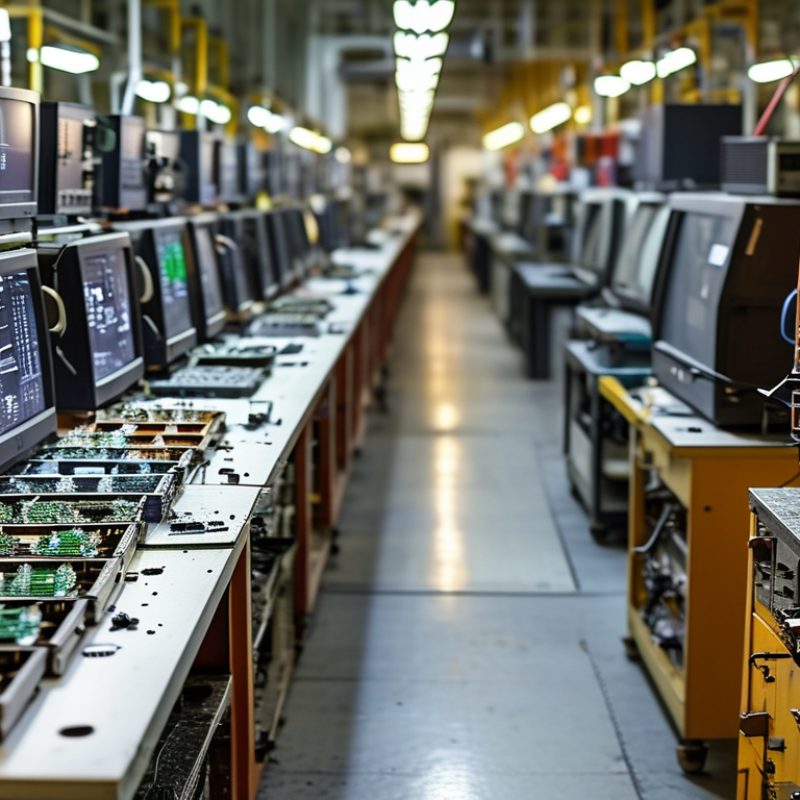
2026 BGA Rework Station Market Overview: Trends and Growth Projections
The BGA rework station market is undergoing significant transformations in 2026. Recent projections show a compound annual growth rate (CAGR) of approximately 6% from 2021 to 2026. This growth is driven by the increasing demand for advanced electronic devices across various industries. Technologies in sectors like automotive and consumer electronics are evolving rapidly, requiring efficient repair and production methods. The BGA rework station plays a crucial role in meeting these demands.
Trends reflect a shift towards automation and precision in rework stations. Modern systems increasingly integrate AI for improved accuracy and efficiency. According to industry studies, over 60% of manufacturers prioritize the precision of soldering processes. However, challenges remain. Many technicians report difficulties with manual adjustments, leading to inconsistencies in repairs.
Moreover, the market faces the challenge of balancing cost and innovation. High-quality, reliable machines often come with substantial investments. A 2023 industry report reveals that over 30% of companies hesitate to upgrade due to budget constraints. This highlights the need for flexible financing solutions and better support for technicians in this evolving landscape.
Key Features to Look for in a Professional BGA Rework Station
When selecting a professional BGA rework station, several key features deserve attention. Precision is paramount. Look for stations with adjustable temperature controls and fine hot air nozzles. These features allow for accurate heat application, crucial for avoiding damage to surrounding components. Reports indicate that improper reworking can lead to a 30% failure rate in soldering joints. This reinforces the need for exactness.
Another critical aspect is the station’s vacuum pickup tool. A reliable vacuum system ensures that components are lifted without stress. This feature reduces the risk of damaging fragile BGA chips. A study found that over 25% of repair attempts fail due to poor handling during component placement. Additionally, a robust soldering iron with a quick recovery time is essential. This allows for efficiency in a fast-paced work environment where downtime can equate to lost revenue.
Consider the station's ease of use and maintenance. Complex setups can lead to operator errors. User-friendly interfaces and accessible components enhance experience, especially for technicians in high-pressure situations. Reflection on past work can yield insights into what features enhanced performance and which caused setbacks. The investment in a quality BGA rework station significantly impacts repair quality and overall operational efficiency.
Top Rated BGA Rework Stations of 2026: A Comparative Analysis
In 2026, BGA rework stations are essential tools for professionals in electronics. The demand for high-quality rework stations has surged, reflecting the industry's growth. Recent industry reports indicate that the market is expected to reach $300 million by 2027, a clear sign of its importance.
Top-rated BGA rework stations come with advanced features. Precise temperature control is crucial. Many models boast a thermal stability range of ±2°C, which ensures consistent performance. Efficient suction systems are also vital. Reports highlight that models with powerful suction capabilities can improve the success rate of component removals by 30%. However, not all stations deliver on these promises.
Common challenges arise when selecting a rework station. Some devices may not be user-friendly. Operators sometimes find it hard to calibrate settings accurately. There is also a risk of overheating components if misused. Buyers must reflect on their specific needs. Understanding the technical requirements can be daunting but is necessary for making a wise investment.
Prospective buyers should carefully compare features and reviews to avoid pitfalls.
Critical Performance Metrics for BGA Rework Stations in Professional Use
When choosing a BGA rework station for professional use, it's vital to assess several performance metrics. Precision in temperature control is crucial for effective soldering and desoldering. A well-calibrated system ensures components are handled safely without overheating. Look for a station that offers adjustable settings to tailor the temperature for various components.
Another key aspect is the airflow control. Effective rework stations should allow users to manage airflow to avoid damaging sensitive parts. Too much airflow can lead to unwanted movement of components during the process. Aim for a unit that strikes a balance between airflow power and control.
Tips: Always invest in a reliable thermometer to check actual temperatures. Monitor soldering times closely. Rework sessions may not always go as planned. Experimentation is part of the journey. Each rework session can present unforeseen challenges, and adjusting your approach is essential for success. Regularly assess your techniques to enhance your skill set.
Performance Metrics of BGA Rework Stations in 2026
Industry Insights: The Role of BGA Rework Stations in Electronics Repair
BGA rework stations play a crucial role in electronics repair. These specialized tools are designed to modify and repair printed circuit boards with Ball Grid Array (BGA) components. According to a recent report from the IPC, the global electronics repair market is projected to grow by 8% annually. This growth signals an increasing demand for reliable BGA rework solutions.
Effective rework stations not only enhance efficiency but also reduce waste. Many technicians report significant improvements in repair accuracy and speed. However, achieving optimal results requires proper training and experience. A study from the Electronic Industries Alliance highlights that poorly executed repairs can lead to further damage, which could derail productivity. The industry emphasizes the importance of using high-quality equipment and developing skilled technicians.
Tip: Always invest in training for your team. Knowledge of temperature profiles and solder behavior is vital for successful repairs.
Tip: Regularly calibrate your rework station. Inconsistent performance can lead to costly mistakes and affect your repair timelines.
As BGA technology advances, so do the techniques for rework. It’s essential to stay updated with industry trends and innovations. Exploring varying rework methods can offer valuable insights.