2026 How to Choose the Best Smt Pick And Place Equipment?
Choosing the right SMT pick and place equipment is crucial for any electronics manufacturing process. This equipment plays a vital role in assembling components on printed circuit boards. The efficiency and accuracy of your production line largely depend on it.
In 2026, the market offers a variety of SMT pick and place machines. Each type has unique features, specifications, and price points. It's essential to assess your specific needs before making a decision. Consider the scale of your operations and the complexity of your assemblies. Will you be working with high volumes or intricate designs? These factors influence which machine suits your requirements.
Moreover, while researching SMT pick and place equipment, reliability is key. Machines that break down frequently lead to delays and increased costs. A thorough examination of user reviews and expert opinions can guide you. Investing time to understand different models may seem tedious, but it ensures you avoid costly mistakes. Ultimately, the right choice enhances your production quality and boosts your overall efficiency.
Understanding SMT Pick And Place Equipment: A Comprehensive Overview
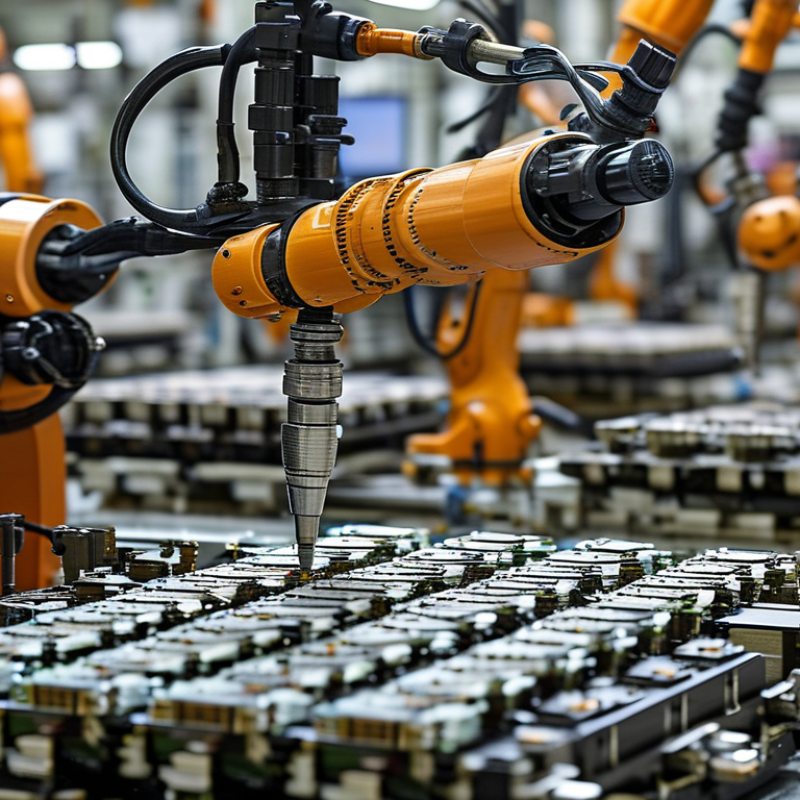
Understanding SMT pick and place equipment is essential for efficient electronic manufacturing. These machines are responsible for placing components onto printed circuit boards (PCBs). According to a recent report by IPC, approximately 60% of defects in circuit boards arise from placement errors. This statistic highlights the need for reliability in choosing the right equipment.
When selecting SMT pick and place equipment, features such as speed, accuracy, and flexibility are key considerations. A machine with a placement accuracy of ±0.1 mm is often ideal for complex boards. Furthermore, the ability to handle various component types is crucial; recent industry data shows that flexible equipment can reduce changeover times by up to 30%. The shift towards smaller components demands machinery that can adapt quickly and efficiently.
Despite advances in technology, challenges remain. Many manufacturers report issues with machine calibration and setup, which can lead to production delays. Evaluating equipment based on real-world performance and customer feedback is vital. Continuous improvements are necessary, and manufacturers are encouraged to invest in training for their operators. This investment can significantly enhance the overall efficiency and reliability of the production process.
Overview of SMT Pick and Place Equipment Efficiency
Key Factors to Consider When Choosing SMT Equipment
When selecting SMT pick and place equipment, several key factors come into play. Understanding these aspects helps ensure the efficiency of your production line. Consider the machine's speed and accuracy. Efficient pick and place machines should have a balance of both. High-speed machines may compromise precision, while highly accurate ones could limit production speed. Finding that sweet spot for your specific needs is essential.
Another crucial element is the versatility of the equipment. Is it adaptable to various component sizes? Flexibility in handling different board types can streamline your processes. Evaluate if the model you consider can accommodate future technological upgrades. This foresight can save you from increased costs down the line.
When assessing features, don’t overlook the usability of the software interface. Complex systems can lead to operational errors. Simple, user-friendly interfaces can improve training efficiency for your team. A lack of straightforward operation may cause frustration and slow production.
Understanding your specific production requirements is vital. Take time to analyze your current and future production needs, as this insight directs your purchase. Remember, investing in reliable equipment pays off in the long run.
Evaluating the Specifications of SMT Pick And Place Machines
Selecting the right SMT pick and place equipment demands a thorough evaluation of technical specifications. Speed, accuracy, and flexibility are critical parameters. According to a 2022 IPC report, modern pick and place machines can achieve placement rates of up to 80,000 components per hour, highlighting their efficiency in high-volume production. However, some machines may struggle with precision at such speeds, potentially leading to rework. Assessing placement accuracy, usually expressed in millimeters, is crucial. Values under 50 microns are preferred for high-quality assemblies, but some machines might not meet this standard.
Another important factor is the machine's capability to handle various component types. A 2023 study by a leading industry analyst emphasized the growing demand for equipment that can place both large and small components effectively. Versatility is essential, yet machines designed for specific tasks may excel in these areas but lack adaptability. Additionally, the software involved in controlling these machines can greatly influence performance. It is vital to consider whether the software supports easy upgrades and integration with existing systems to ensure long-term reliability. Choosing an SMT pick and place machine requires careful analysis of these specifications. It is worth reflecting on whether a machine's high-speed capabilities might come at the cost of precision.
Comparing Different Brands and Models for SMT Applications
When evaluating SMT pick and place equipment, various brands and models emerge in the market, each offering unique features. Some machines excel at speed, while others prioritize precision. Speed is essential for high-volume production, but too much focus on speed can compromise accuracy. Understanding the right balance is crucial.
Consider automation advancements in these machines. Some models leverage AI to enhance placement accuracy and reduce errors. This technology can optimize workflows, but it requires skilled operators to manage complex features. Operators must be comfortable with programming and troubleshooting. More automation may lead to fewer manual errors, yet it can introduce reliance on software, which may pose challenges in case of malfunctions.
Different industries have distinct needs. A smaller company may prioritize cost and efficiency over extensive functionalities. Large manufacturers might seek advanced features and faster production rates. It's essential to assess the specific requirements of your production line when choosing equipment. Sometimes, less is more. Investing in the right machine, tailored to your needs, may prove more beneficial than aiming for the latest model with unnecessary features.
2026 How to Choose the Best Smt Pick And Place Equipment? - Comparing Different Brands and Models for SMT Applications
| Model |
Max Components/Hour |
Placement Accuracy |
Number of Nozzles |
Price Range (USD) |
Warranty Period |
| Model A |
8000 |
±0.02 mm |
8 |
30,000 - 40,000 |
2 years |
| Model B |
10000 |
±0.03 mm |
10 |
35,000 - 50,000 |
3 years |
| Model C |
7500 |
±0.025 mm |
6 |
28,000 - 38,000 |
1 year |
| Model D |
12000 |
±0.015 mm |
12 |
45,000 - 60,000 |
5 years |
| Model E |
9000 |
±0.02 mm |
8 |
32,000 - 42,000 |
2 years |
Budgeting for SMT Equipment: Costs and Financial Considerations
When budgeting for SMT (Surface Mount Technology) equipment, understanding costs is crucial. The price range for SMT pick and place machines varies widely. According to industry reports, entry-level machines cost around $10,000, while advanced models can exceed $500,000. This disparity highlights the need for careful planning based on production needs.
Factors influencing costs include speed, accuracy, and component placement capabilities. For example, a machine with a high placement speed might seem appealing, but ongoing maintenance could escalate costs. Additionally, consider the cost of spare parts and technical support. Maintenance costs can inflate a budget unexpectedly.
It's easy to overlook hidden expenses. Training staff to operate new equipment requires investment. Moreover, integrating the SMT machine with existing systems may necessitate software upgrades. Understanding these financial considerations can help you make an informed decision. Failing to plan for these aspects might lead to unpleasant surprises down the line, affecting overall production efficiency.