Why Choose Smt Machines for Your Manufacturing Needs?
In today's competitive manufacturing landscape, choosing the right equipment is vital. Smt Machines stand out as a preferred choice. These machines are crucial for efficient production processes. They enhance the speed and accuracy of electronic assembly.
Investing in Smt Machines can significantly impact your bottom line. However, selecting the right model requires careful consideration. Different manufacturers offer various features. Some machines perform exceptionally well under specific conditions. Understanding the unique needs of your production is essential.
While Smt Machines are reliable, they are not flawless. They require regular maintenance and skilled operators. Potential downtime can occur due to technical issues. Manufacturers must evaluate their priorities before purchasing. In the end, investing in Smt Machines may reshape your operational efficiency.
Understanding Smt Machines and Their Role in Manufacturing
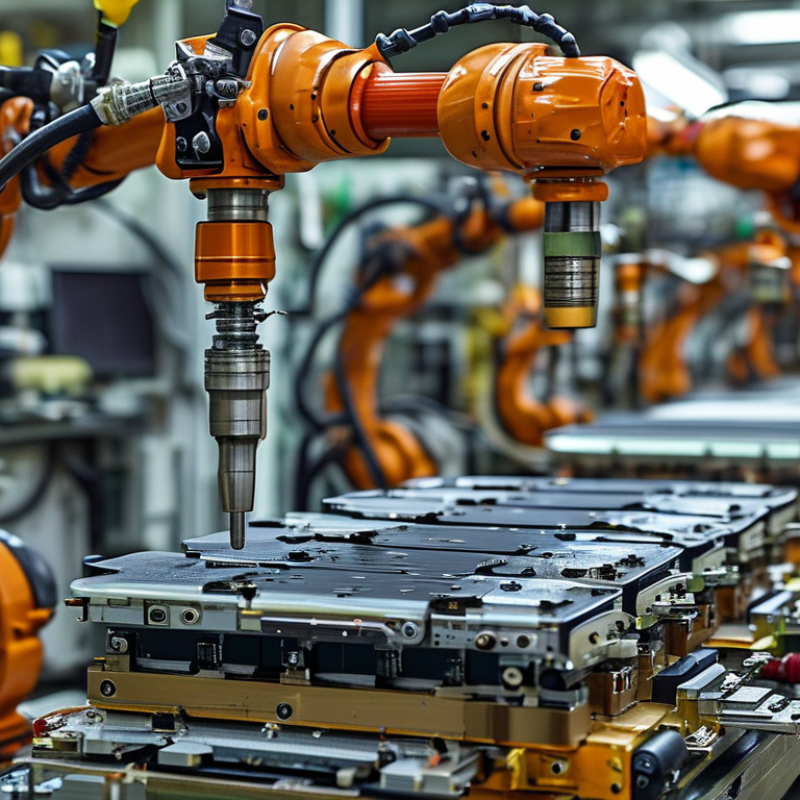
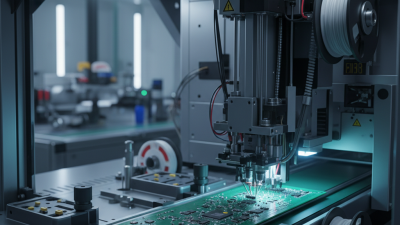
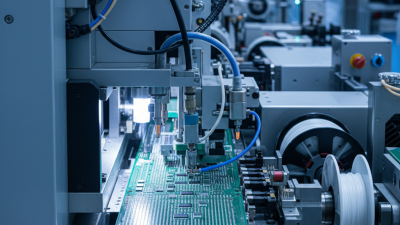
SMT machines are essential in modern manufacturing processes. These machines automate the placement of electronic components on printed circuit boards (PCBs), enhancing efficiency and precision. This technology reduces human error and increases throughput. The speed of SMT machines allows for mass production, which is increasingly vital in fulfilling market demands.
The role of SMT machines goes beyond speed. They also ensure high accuracy in component placement. A slight misalignment can lead to malfunctioning products. Manufacturers need to pay attention to calibration and maintenance. Regular checks can prevent costly errors. Personnel must be trained to monitor performance and troubleshoot issues.
Understanding SMT technology is crucial for manufacturers. It impacts not only the production line but also product quality. Integrating state-of-the-art SMT machines can elevate manufacturing standards. However, reliance on these machines requires ongoing evaluation. Industry trends and technological advancements must guide decisions. Continuous improvement ensures that manufacturers stay ahead and meet evolving demands.
Key Advantages of Smt Machines in Modern Production Lines
In the rapidly evolving landscape of manufacturing, Smt machines have become pivotal. Their efficiency significantly enhances production lines. With the ability to place components with accuracy, these machines can increase output while minimizing waste. A report from the Electronics Manufacturing Services Association states that automated assembly can boost productivity by up to 30%.
Smt machines also offer flexibility, which is crucial in today’s market. They handle various component sizes and types, making them indispensable in high-mix environments. However, the initial investment can be steep. Companies need to weigh the long-term benefits against upfront costs. Studies show that many manufacturers recoup their investment within two years due to increased output and reduced labor costs.
Moreover, the integration of Smt machines aids in maintaining quality. Their precision reduces human error, leading to fewer defects. Yet, operators must be trained to manage these sophisticated tools effectively. The balance between technology and skilled labor is delicate. Adopting Smt technology can redefine production capabilities, but companies must approach it thoughtfully to fully harness its potential.
Comparing Smt Machines to Traditional Manufacturing Equipment
SMT (Surface Mount Technology) machines have transformed the electronics manufacturing landscape. Unlike traditional methods, SMT machines allow for faster execution and superior precision. According to IPC (Institute of Printed Circuits), SMT can improve production efficiency by up to 50%. This significant gain is a game-changer for manufacturers who aim to maximize throughput.
In contrast, traditional equipment often requires more manual intervention. Tasks that SMT machines automate can lead to costly human errors. For instance, a study from SEMI indicates that automation reduces defects to as low as 0.1%. This level of reliability is becoming a necessity in today's fast-paced market.
Tip: Consider integrating SMT machines gradually. This approach helps your team adapt, minimizing disruption. Routine training is essential to fully leverage the capabilities of SMT technology. Assess current production metrics to identify specific areas for improvement. Remember, switching to SMT is not just a trend; it's a strategic move toward sustainable manufacturing.
Factors to Consider When Choosing Smt Machines for Your Business
When selecting SMT machines, several critical factors come into play. One of the most significant is the machine’s adaptability to production needs. According to a report by IPC, companies that use flexible SMT solutions have seen a 30% increase in production efficiency. This means that the ability to switch between different product types seamlessly can significantly impact your bottom line.
Another vital consideration is the machine’s accuracy and reliability. The Global Electronics Market Report indicates that a mere 0.1% defect rate can lead to substantial losses. Hence, investing in high-precision SMT machines is essential for maintaining quality control. Additionally, the availability of technical support and maintenance options must not be overlooked. Regular upkeep can extend the life of your equipment and reduce downtime.
Lastly, it’s crucial to consider the overall cost of ownership. While initial investment is significant, the long-term operational costs also matter. A recent study found that total cost of ownership can vary by up to 50% across different machines. This disparity highlights the need for careful evaluation. Ultimately, while high-performance SMT machines demand a premium, their benefits should align with your specific production goals.
Benefits of Using SMT Machines in Manufacturing
Future Trends in Smt Technology and Manufacturing Practices
The future of SMT technology is evolving rapidly. Reports show that the market for SMT machines is projected to grow at a compound annual growth rate (CAGR) of 5.7% through 2027. This growth is driven by the increasing demand for compact and efficient electronic devices. Manufacturers are seeking advanced solutions that reduce production costs and improve accuracy.
One key trend is miniaturization. Devices are getting smaller, which requires precise placement of components. Automated inspection technologies, such as automated optical inspection (AOI), are becoming vital. These tools enhance quality control and reduce defects. A study indicated that 85% of manufacturers plan to invest in such technologies in the coming year.
Sustainability in manufacturing is another focus area. Companies are exploring eco-friendly materials and processes. Reports suggest that 40% of manufacturers are adopting energy-efficient SMT machines. However, challenges remain. Transitioning to greener technology can incur high initial costs. Many manufacturers are still evaluating the long-term benefits versus short-term expenses. As the industry progresses, balancing efficiency and sustainability will be crucial.