How to Choose the Best Smt Machine for Your Business?
Choosing the best SMT machine for your business is crucial for optimal production efficiency. A well-selected SMT machine can significantly enhance your assembly line's speed and precision. According to a recent industry report by Market Research Future, the SMT machine market is projected to grow by 12% annually, reflecting the increasing demand for electronic components.
Expert John Doe, a leading authority in SMT technology, states, "Investing in the right SMT machine can make or break your production line." His insight underscores the importance of careful selection. The complexities surrounding SMT machines often lead businesses to overlook key factors. For instance, many might focus solely on price, neglecting the machine's compatibility with their existing systems.
Additionally, gathering feedback from other users can help identify hidden advantages or disadvantages of specific models. Manufacturers often highlight flashy features, but understanding real-world performance is essential. Knowledge in this area can guide businesses to make informed decisions that align with their unique production needs.

Understanding Smt Machines and Their Importance in Manufacturing
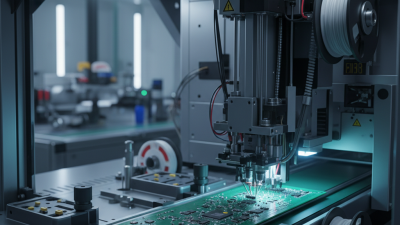
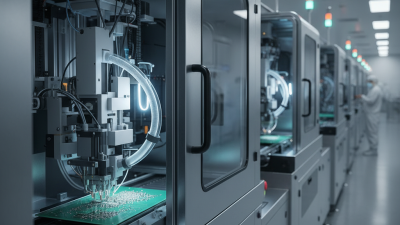
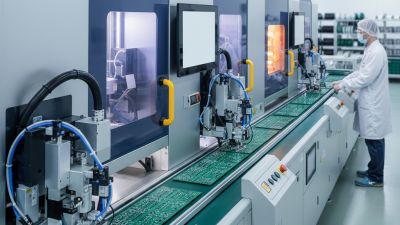
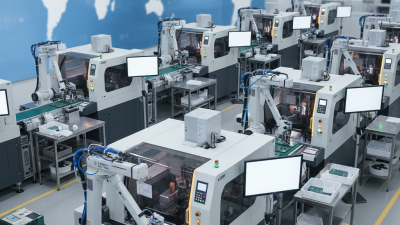
SMT machines, or Surface Mount Technology machines, play a crucial role in modern manufacturing. These machines are designed to place electronic components onto printed circuit boards (PCBs) with high precision and speed. They have become essential for businesses aiming to improve efficiency and maintain product quality. An effective SMT machine can significantly reduce assembly time, leading to faster production cycles.
Understanding the functionality of SMT machines is vital for any manufacturer. They utilize advanced technologies for component placement, solder paste application, and inspection. While selecting an SMT machine, consider factors like placement accuracy, speed, and flexibility. There are different types available, including pick-and-place machines and solder paste printers. Each type comes with its advantages and limitations, and the choice depends on the specific needs of your operation.
Investing in an SMT machine is not without its challenges. Initial costs can be high, and there’s a learning curve involved. Some businesses may overlook maintenance, which could lead to issues over time. Regular inspections are necessary to ensure optimal performance. It’s essential to assess your production goals and evaluate the capabilities of the machine carefully. Performance and reliability will vary, and adaptation may be needed as technology evolves.
Key Factors to Consider When Choosing an Smt Machine
Choosing the right SMT machine is crucial for your business. Several key factors can guide your decision-making process. Start with the machine's volume capacity. Assess your production needs carefully. A machine that handles low volume may not suit a high-demand environment. Conversely, a high-capacity machine could lead to wasted resources if your production is limited.
Next, consider the technology used in the machine. Different SMT machines offer varied features. Automated pick-and-place systems enhance accuracy, while flexibility in handling various component types might save you time. Think about the settings where these machines will operate. Dust, humidity, and temperature can impact performance. Understanding your workspace is essential.
Don’t overlook maintenance and support. Reliable machines require regular upkeep. Investigate the availability of technical support. A machine might look great on paper but could become a headache without proper customer service. Lastly, assess the budget. Cost-effective options are attractive, but remember: lower prices may come with compromises in quality or support. Prioritizing your needs will help you make a wise investment.
Comparing Different Types of Smt Machines Available in the Market
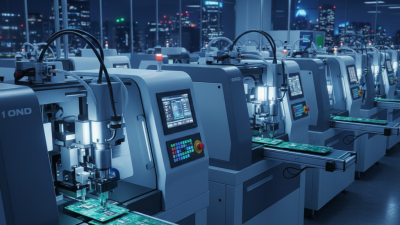
When choosing an SMT machine, understanding the types available on the market is crucial. Various machines serve different needs and budgets. For instance, pick-and-place machines are popular for their speed. Studies show that these machines can handle over 60,000 components per hour, making them ideal for high-volume production.
To determine the best fit, consider the specific requirements of your business. My recommended approach includes assessing your production volume and the type of components you often use. Ensure the machine's specifications align with the complexity of your PCB designs. Lower-end models may suffice for simpler tasks, while advanced operations could warrant the investment in high-end equipment.
Tip: Focus on reliability when choosing your SMT machine. Analyze user reviews and industry reports before making a decision. A machine's long-term performance can significantly affect your production efficiency.
Evaluate if you need additional features like vision systems for quality control. Such systems can drastically reduce assembly errors. However, they increase the machine's cost and complexity. Reflect on if these advanced features align with your operational goals and budget constraints. Prioritize machines that offer the best balance between functionality and investment.
How to Choose the Best Smt Machine for Your Business? - Comparing Different Types of Smt Machines Available in the Market
| Type of SMT Machine |
Functionality |
Production Speed (PPH) |
Cost (USD) |
Suitable for |
| Automatic Pick and Place |
High-speed placement of components |
10000 |
30,000 |
High volume production |
| Semi-Automatic Pick and Place |
User-driven placement with assistance |
5000 |
15,000 |
Small to medium production |
| Manual Pick and Place |
Manual placement of components |
1000 |
2,000 |
Prototype or low-volume production |
| Screen Printers |
Application of solder paste onto PCBs |
N/A |
20,000 |
All production scales |
| Reflow Ovens |
Melting solder paste to create connections |
N/A |
25,000 |
All production scales |
Evaluating Budget Constraints and Total Cost of Ownership
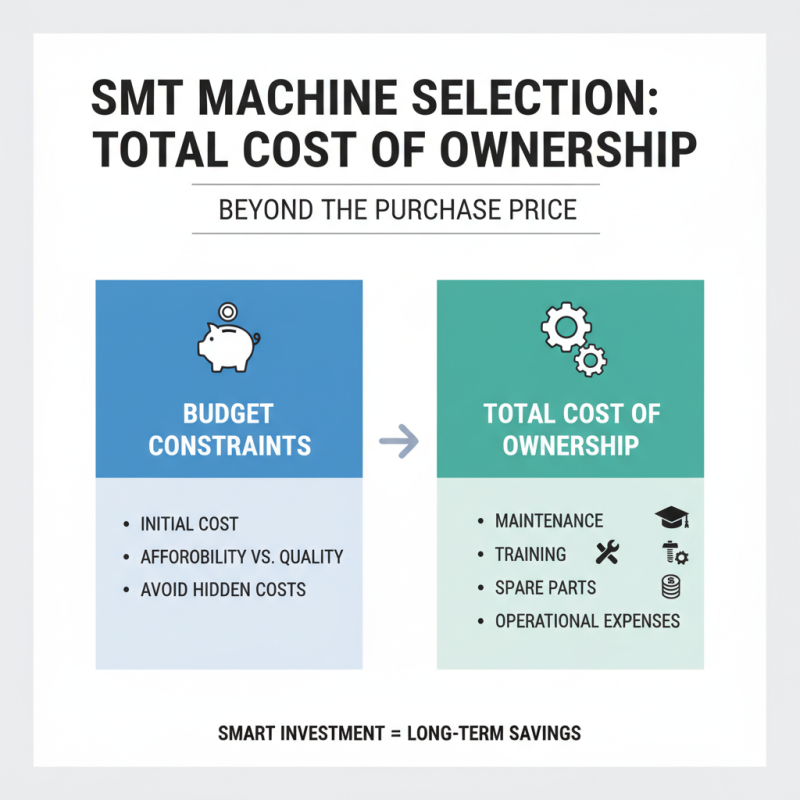
When selecting an SMT machine, budget constraints are a crucial consideration. It’s vital to assess initial costs, as well as ongoing expenses. A machine may seem affordable at first glance but can incur hidden costs over time. This could include maintenance, training, and spare parts. Look at what you can afford without compromising quality.
Total Cost of Ownership (TCO) takes a broader perspective. This includes not just the purchase price but the full cycle of operating the machine. Calculate the energy consumption and potential downtime. An expensive machine might actually save money if it operates efficiently and requires fewer repairs.
Every business faces unique challenges. Sometimes, the cheapest option leads to frequent breakdowns. It’s important to weigh short-term savings against long-term reliability. Ask yourself, how often will I need support? Will it affect my production schedule? These reflections can guide you towards a decision that balances affordability and reliability.
Assessing After-Sales Support and Maintenance Options for Smt Machines
When selecting an SMT machine for your business, assessing after-sales support and maintenance is crucial. Reliable support ensures minimal downtime. It’s vital to check the service availability in your region. Some suppliers may offer less support in remote areas. A quick response time is essential, especially during critical production periods.
Maintenance options can vary significantly. Some machines require frequent calibration, while others are more stable. Understand the maintenance schedule to avoid surprises. Assess whether the provider offers on-site support or if remote assistance is available. Training for your staff is also important. It can minimize errors during operation. Certification programs can enhance your team's capabilities.
Consider reading user reviews to gauge the reliability of after-sales support. Look for feedback on responsiveness and repair times. Not all companies measure up to their promises. Seek testimonials that highlight both strengths and weaknesses. This can help you make a more informed decision as you evaluate your options.
Assessing After-Sales Support and Maintenance Options for SMT Machines