How to Choose the Right SMT Machine for Your Business?
Investing in the right SMT machine is crucial for your business's success. The surface-mount technology (SMT) market is projected to grow significantly, with estimates suggesting a compound annual growth rate (CAGR) of 8.5% from 2021 to 2026. Selecting a machine that fits your manufacturing needs can set the foundation for productivity and efficiency.
Many companies find themselves overwhelmed by options. Each SMT machine comes with different functionalities, performance levels, and operating costs. Research indicates that up to 40% of businesses may choose machines that don’t meet their production requirements. This can lead to wasted resources and missed deadlines.
Understanding the specific needs of your production line is essential. Consider factors such as the type of components, production volume, and available space. Engaging with industry experts and analyzing reliable data sources can help in making informed decisions. Choosing the right SMT machine should minimize risks and enhance your operational reliability.
Understanding Your Business Needs for SMT Machines
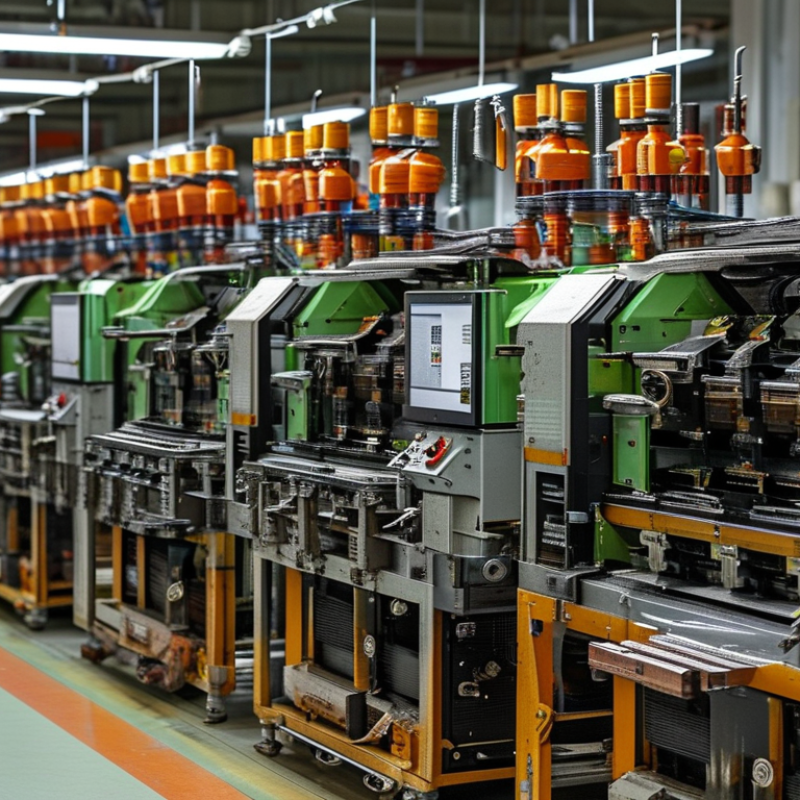
Selecting the right Surface-Mount Technology (SMT) machine starts with understanding your specific business needs. Each production environment has unique demands. According to industry reports, about 70% of manufacturers prioritize versatility in their equipment. This reflects their need to adapt to diverse PCB designs.
Evaluate your product range. If your business focuses on high-mix, low-volume production, consider a machine that offers quick changeover capabilities. The report from IPC highlights that companies investing in flexible technology see a 20% increase in efficiency. Keep in mind that lower initial costs may lead to higher long-term operational expenses.
Consider your workspace too. Larger machines may require substantial floor space, which is a critical factor in smaller facilities. According to a study by SMTA, 30% of manufacturers regret underestimating the impact of space on machine selection. Data-driven decisions can prevent costly mistakes and enhance productivity. Even seasoned professionals acknowledge this as a frequent oversight.
How to Choose the Right SMT Machine for Your Business? - Understanding Your Business Needs for SMT Machines
| Feature |
Importance Level |
Recommended Specifications |
Market Options |
| Production Speed |
High |
6000-12000 CPH |
High-speed pick and place machines |
| Component Compatibility |
Medium |
03015mm to 50x50mm |
Universal machines |
| Ease of Use |
High |
User-friendly interface |
Simple programming options |
| Cost |
High |
$50,000 - $300,000 |
Value for price machines |
| Service & Support |
Medium |
On-site training, quick response |
Local service options |
Evaluating Different Types of SMT Machines Available
When selecting the right SMT machine for your business, understanding the available options is crucial. Different types of SMT machines cater to various production needs.
Automatic machines offer speed and efficiency. They can handle high volumes, making them ideal for large-scale production. Manual machines provide flexibility and are easier to maintain, suitable for smaller operations or prototypes.
Evaluating these machines goes beyond just speed. Consider the precision and type of components you will use. Some machines handle finer pitches better than others. It's important to analyze how the machine fits into your current setup. Will it require major changes to your workflow? Additionally, think about after-sales support. Machines often need calibration and maintenance.
Budget is only part of the equation. Initial cost savings may lead to higher long-term expenses in repairs and downtime. Reviewing case studies can provide insights into real-world performance. Are these machines known for reliability? Talk to users; their experiences reveal much. Reflect on your specific needs, preferences, and potential growth. What works today might not suffice tomorrow.
Key Features to Consider in SMT Machine Selection
When selecting a Surface Mount Technology (SMT) machine, several key features are vital for optimal performance. A 2022 market report estimated that the SMT machine sector could grow by 8.5% annually. This highlights the increasing demand for efficiency and precision in electronics manufacturing.
One crucial feature is the machine's flexibility. It should handle various PCB sizes and types efficiently. Research shows that machines with modular designs allow easy upgrades and adjustments. This adaptability is essential for businesses facing rapidly changing technology. Additionally, look for machines with advanced software for programming and simulation. This software can enhance workflow and reduce downtime by up to 30%. Such capabilities are particularly important in environments with high production rates.
Another consideration is the machine’s accuracy and speed. Modern SMT machines can place components at speeds exceeding 20,000 components per hour. Precision placement is typically within ±0.1 mm, ensuring high-quality assembly. However, the increased speed can sometimes lead to errors, necessitating frequent calibration and maintenance. A balance between speed and reliability must be achieved, as overlooking this could lead to costly production delays or rework.
Budgeting and Cost Analysis for SMT Equipment
Budgeting for SMT (Surface Mount Technology) equipment is a critical process for any business. It goes beyond just purchase prices. You must consider installation costs, maintenance, and training for staff. Setting a realistic budget helps in identifying the right machine that meets your production needs. Take the time to analyze your current capabilities. Will the new machine improve efficiency? Or will it add unnecessary complexity?
Cost analysis is also vital. Look at long-term expenses. Cheaper machines could lead to higher maintenance costs. Quality should be a priority. Investing a bit more upfront may save money down the line. Factor in potential production increases. A reliable machine can drastically reduce downtime, improving output.
Many businesses overlook hidden costs. Utility costs associated with operating equipment can surprise owners. Also, don't forget about software and updates required for efficient operation. This analysis requires effort and reflection. Each decision impacts the overall success of your operations. Evaluate all options carefully before making a choice.
Cost Analysis of SMT Machines
This chart compares the average costs of different types of SMT machines, helping businesses choose the right equipment based on their budget needs.
Future-Proofing Your SMT Investment: Scalability and Upgrades
When considering an SMT machine, future-proofing your investment is vital. Scalability allows your business to grow without having to replace equipment constantly. An SMT machine that can expand its capabilities ensures that you keep pace with technological advancements and market demands.
Upgrades are another crucial aspect. Some machines offer modular options that facilitate easy updates. This means you can adapt to new production processes or changes in component sizes without significant downtime. However, not all machines provide this flexibility. It's essential to research and weigh your options carefully. Some machines may promise upgrades but lack the compatibility needed for smooth transitions.
Reflecting on your specific needs is important. How fast will your production scale? Will your products consistently change in complexity? An investment that feels right today may not meet your requirements tomorrow. Therefore, keep your future goals in mind. Prioritizing flexibility and adaptability will enhance the longevity of your SMT investment.