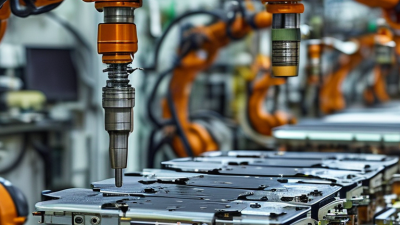
Top 10 Tips for Choosing Smt Pick And Place Equipment?
Choosing the right Smt Pick And Place Equipment is crucial for optimizing your PCB assembly process. These machines are vital in ensuring precision and efficiency in placing components on printed circuit boards. This decision impacts production quality and cost-effectiveness.
When selecting equipment, consider factors such as accuracy, speed, and flexibility. Each manufacturing environment is unique, and what works for one may not suit another. Evaluate the equipment's compatibility with various types of components. This can often be overlooked, leading to problems later.
Experience and customer reviews reveal the importance of understanding your specific needs. Often, buyers focus too much on price and overlook features that ensure reliability. Reflecting on past equipment choices can provide valuable insights. Your investment in Smt Pick And Place Equipment should align with your long-term production goals and operational efficiency.
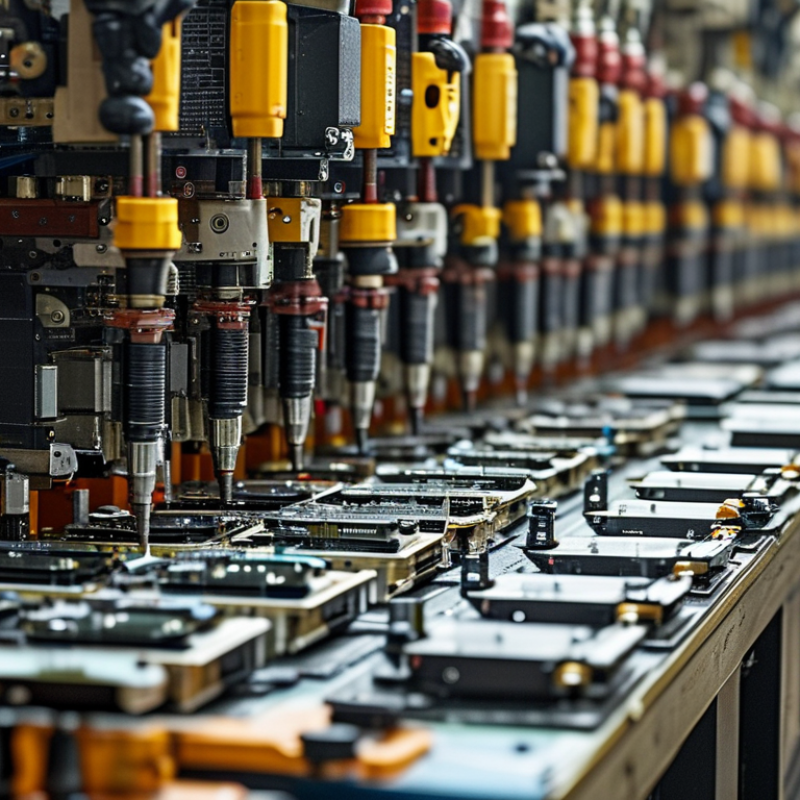
Understanding Your Production Needs for Smt Pick And Place Equipment
When choosing SMT pick and place equipment, understanding your production needs is critical. The right equipment can significantly enhance efficiency, reduce costs, and improve product quality. According to industry reports, companies can increase their output by 30-50% with the right machines. This makes assessing your production capacity and future demands essential.
One important tip is to analyze your PCB assembly volume. If your production requires high volume, consider equipment with faster placement speeds and greater feeder capacity. Look for machines that can handle various component types and sizes. Flexibility in your equipment can save on costs and decrease downtime when introducing new products.
Another key factor is the ease of integration with existing systems. Make sure your pick and place equipment can seamlessly connect with software for inventory and quality control. Many organizations find that a lack of integration leads to bottlenecks and inefficiencies. Regularly review your process to identify potential improvements. Obtaining insights from suppliers and industry experts can provide valuable guidance for these decisions.
Evaluating Different Features and Specifications of Equipment
When selecting SMD pick and place equipment, evaluating features and specifications is crucial. Consider the machine's placement accuracy, which can significantly impact production quality. Research indicates that precision placement can improve defect rates by as much as 30%. Look for equipment that offers a placement accuracy of ± 0.02 mm or better.
Another important aspect is the machine's speed. Speed directly affects your production capacity. According to recent industry reports, high-speed machines can achieve placement rates exceeding 30,000 components per hour. However, balance is key; faster machines often require more maintenance and calibration.
Tip: Prioritize machines with user-friendly interfaces. This can minimize training time and errors in operation. Ease of use is frequently overlooked but can dramatically enhance productivity. Integration capabilities are also vital. Choose equipment that can easily integrate with your existing systems. This reduces downtime during the transition phase.
Finally, consider the scalability of the equipment. Invest in systems that can adapt as your production needs change. Look for options that allow for easy upgrades. Flexibility in batch sizes can play a key role in managing costs effectively while keeping up with market demands.
Considering Budget Constraints and Total Cost of Ownership
When choosing SMT pick and place equipment, considering budget constraints is vital. Many users focus on the initial purchase price. However, total cost of ownership often tells a different story. This includes maintenance costs, spare parts, and energy consumption. Small savings on the initial investment may lead to higher expenses down the line.
Maintenance is an area many overlook. It can create hidden costs that stack up over time. Investing in reliable, durable equipment can reduce long-term expenses. Energy efficiency also plays a crucial role. Higher energy consumption can greatly increase operational costs.
Moreover, consider the learning curve for your team. Equipment that is easy to operate often minimizes training time. Trained personnel can increase productivity, but retraining can be costly. It's essential to weigh these factors properly. Balancing upfront costs with long-term investment potential requires reflection. Choices made today impact future operations significantly.
Top 10 Tips for Choosing SMT Pick and Place Equipment
Researching Reputable Manufacturers and Suppliers
When researching reputable manufacturers and suppliers for SMT pick and place equipment, credibility is crucial. Look for companies with a proven track record. They should have experience in the industry. Check their background and read reviews from past customers. Consider how long they have been in business. Longevity often indicates reliability.
Engage with potential suppliers directly. Ask questions about their products and services. A reliable supplier will provide clear answers and support. Also, evaluate their warranties and service agreements. These details reveal their confidence in their equipment. Keep an eye on their responsiveness during your inquiries. Timeliness can indicate their customer service quality.
Don’t overlook online communities or forums. Professionals often share their experiences with different manufacturers. This can offer insight into who is trustworthy. Mistakes can happen during the purchasing process. Learning from others can prevent costly errors. Remember, the right supplier can greatly impact your production efficiency.
Reviewing Customer Feedback and Industry Standards
When choosing SMT pick and place equipment, customer feedback is invaluable. Users share their real-life experiences, influencing your decision. Look for comments on reliability, ease of use, and maintenance requirements. Feedback often highlights common issues. It can reveal patterns that help avoid costly mistakes when purchasing.
Industry standards play a crucial role in guiding selection. Familiarize yourself with the essential certifications and benchmarks. These standards ensure the equipment meets quality and performance expectations. However, some standards may vary by region. Researching local requirements can help. With shifting technologies, staying updated is essential for making informed choices.
Reflect on the sources of feedback. Not every review is credible. Some may be biased or overly enthusiastic. It's important to weigh reviews against industry insights. Combining user experiences with expert opinions enhances your understanding. This approach fosters a more comprehensive evaluation process.
Top 10 Tips for Choosing Smt Pick And Place Equipment
| Criteria |
Importance Level |
Customer Feedback Rating (1-5) |
| Speed and Efficiency |
High |
4.5 |
| Ease of Use |
Medium |
4.0 |
| Cost and Budget |
High |
4.3 |
| Technology and Features |
High |
4.6 |
| Support and Service |
Medium |
3.9 |
| Scalability |
High |
4.4 |
| Precision and Accuracy |
Very High |
4.8 |
| User Training |
Medium |
4.1 |
| Maintenance Requirements |
Medium |
3.7 |
| Warranty and Guarantees |
Medium |
4.2 |