Best BGA Rework Station for Efficient PCB Repair Solutions?
In the fast-paced world of electronics, a reliable BGA rework station is essential for efficient PCB repair solutions. These stations are designed to handle ball grid arrays (BGAs) with precision. They play a crucial role in restoring functionality to circuit boards. An effective rework station not only improves repair time but also enhances the overall quality of the repair process.
Choosing the right BGA rework station requires understanding your specific needs and the intricacies of PCB designs. Many options flood the market, each claiming superiority. However, the best station for your needs should offer versatility and ease of use. Critical features include adjustable temperatures, effective vacuum systems, and ergonomic designs that minimize user fatigue.
While advanced technology is appealing, it is vital to acknowledge potential downsides. Some users find that overly complex stations can lead to mistakes. A balance between features and user-friendliness is key. Investing in a reliable BGA rework station ultimately enhances productivity. However, it's important to remain aware of the learning curve involved. Reflecting on your past experiences will help refine your selection.
Understanding BGA Rework Stations and Their Importance in PCB Repair
BGA rework stations play a critical role in PCB repair by ensuring reliable soldering of ball grid array components. According to the IPC (Institute for Printed Circuits), around 30% of PCB failures are attributed to poor solder connections. This highlights the importance of using specialized equipment like BGA rework stations. These devices provide precision heating and controlled environments, leading to effective component replacement without damaging the PCB.
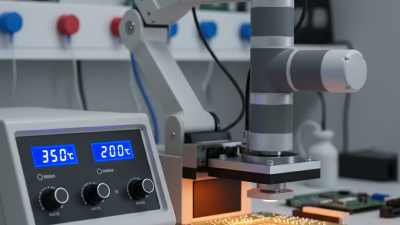
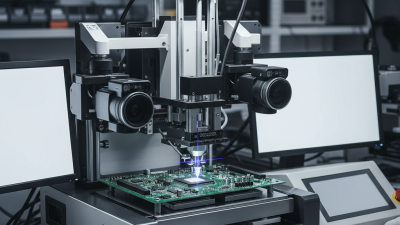
Setting up a BGA rework station requires careful consideration of its features. Look for features such as adjustable temperature settings, preheating capabilities, and a robust vision system. These enhance the ease of use and the accuracy of repairs. In a survey by CIRCUITS ASSEMBLY, 45% of technicians reported improved work efficiency after switching to advanced rework stations.
Practice is essential for mastering the use of these tools. Errors often occur, especially with heat application. It's easy to overheat components, risking permanent damage. Regularly reviewing your technique can lead to better results. Engaging with peer discussions can help identify common pitfalls and effective strategies. Analyzing repair outcomes will provide insights into areas needing improvement, ultimately enhancing your repair workflow.
Key Features to Look for in a BGA Rework Station
When selecting a BGA rework station for PCB repair, key features matter. High-precision temperature control is essential for effective soldering and desoldering. Stations with adjustable heaters allow for tailored temperatures, which is vital for different component types. A report by IPC indicates that improper thermal management can lead to device failures in 30% of repairs.
Another important aspect is the station's vacuum pickup. A reliable pickup tool ensures the safe handling of BGA components.
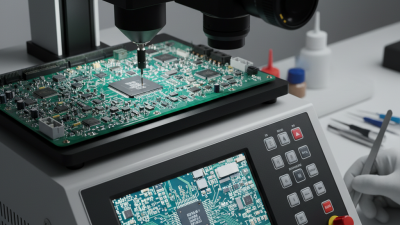
The ease of component placement affects repair time significantly. Studies show that improved accuracy can reduce rework time by over 20%. A station that facilitates easy alignment can streamline the entire process.
Proper training on using these stations is vital. Many technicians neglect to follow best practices. Regular training sessions can enhance efficiency and reduce errors in repairs. Understanding the capabilities of a station can lead to better work quality.
Always assess the specific needs of your PCB projects. Each repair requires a different approach. Remember that experience with equipment varies, and confidence builds over time.
Top BGA Rework Station Models for PCB Repair Professionals
Choosing the right BGA rework station is crucial for PCB repair professionals. Efficiency in soldering and desoldering components can significantly affect repair quality. According to a 2022 industry report, over 70% of repair technicians reported that an efficient rework station reduced their turnaround time by at least 30%. This statistic highlights the importance of selecting a reliable model that meets professional standards.
When evaluating top models, consider features like temperature control and infrared capabilities. Advanced stations with precise control allow for better thermal management. Many professionals note that even small temperature fluctuations can lead to component damage. A recent study found that nearly 60% of failed repairs are linked to improper temperature settings. User reviews often point to the necessity of easy calibration for maintaining consistency.
Time is of the essence in the repair industry. Professionals sometimes overlook the importance of maintenance. Neglected stations can lead to reliability issues and poor performance. Data suggests a routine check-up can extend the lifespan of the equipment. Balancing efficiency and diligence in maintenance is essential for sustainable operations.
Best Practices for Using a BGA Rework Station Effectively
Using a BGA rework station requires both skill and knowledge. The process involves precise temperature control and timing. Studies indicate that poor rework techniques can lead to 30% of PCB failures, highlighting the need for best practices. A successful rework depends on proper setup and environment. Ensure all tools are clean and appropriate for the work. Many professionals recommend a dedicated work surface to minimize contamination.
Temperature profiles are crucial. A slow ramp-up can prevent thermal shock, preserving component integrity. Optimal profiles vary, but industry reports suggest a peak temperature of 245°C for most BGAs. Attention to detail matters. Inspecting soldering pads before rework can reveal hidden issues. If pads show signs of wear, repairs should occur before rework to avoid further complications.
Documentation during the process can enhance reliability. Recording temperatures and times helps to establish a reference for future jobs. Reflecting on past mistakes can improve future performance. For instance, consider instances where inconsistent results occurred. Recognizing patterns can lead to adjustments that yield better outcomes. Remaining adaptive and open to learning is key in the dynamic field of PCB repair.
Maintenance and Troubleshooting Tips for BGA Rework Stations
When dealing with BGA rework stations, maintenance is crucial for optimal performance. Regularly inspect the stencil for damage or contamination. A worn stencil can lead to inconsistent solder application, resulting in defective repairs. According to the IPC-7711/7721 standard, proper stencil maintenance can improve throughput by up to 20%. Using appropriate cleaning agents is also vital. Harsh chemicals can degrade materials and compromise the station's components.
Troubleshooting common issues is essential for efficiency. Ensure the hot air rework tool is calibrated correctly to avoid overheating, which can damage PCB layers. A recent industry report highlighted that 30% of rework failures stem from temperature mismanagement. Conducting routine audits of temperature profiles can help identify inconsistencies.
Worn nozzles can also hinder results. They should be inspected frequently and replaced as needed. Inconsistent airflow can lead to uneven heating, which complicates the reflow process. Maintaining a log of repairs and results allows technicians to identify recurring issues and refine techniques. Embracing this reflective practice can enhance the effectiveness of PCB rework operations.