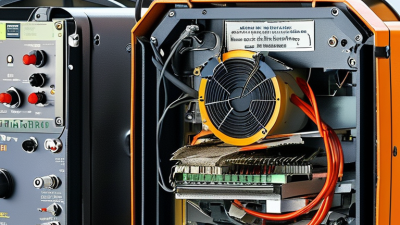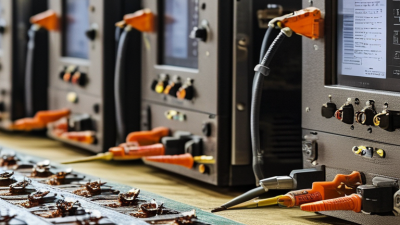
Choosing the China Best SMD Reflow Oven for Global Buyers? The answer depends on more than factory location or the lowest quotation. A capable Smd Reflow Oven should deliver a stable thermal profile, consistent board movement, and clear process data. Picture a production line running mixed-size boards through repeated shifts. Small temperature swings can affect solder joints, while uneven heating may create defects that are difficult to trace. Details matter.
Dr. Ning-Cheng Lee, an author on reflow soldering processes, offers a useful perspective in his technical work: process control and repeatability deserve close attention. This is a paraphrase, not a verbatim quotation. For buyers, that means asking suppliers for profile results, zone-control details, conveyor specifications, maintenance guidance, and realistic throughput figures. A polished brochure is not proof. Request evidence from a test run using boards similar to yours, and check how the supplier explains any weak spots. That conversation can reveal more than a sales presentation.
This guide examines oven configurations, heating methods, control systems, and service support from a buyer’s perspective. It also considers practical concerns such as spare-part availability, operator training, and documentation quality. The best choice may not be the fastest model. It may be the oven your team can set up, verify, and maintain with confidence. There is no perfect machine. A careful comparison can still prevent an expensive mismatch.

An SMD reflow oven heats assembled circuit boards through controlled temperature zones. It melts solder paste, then cools the joints without shocking the components. In practical production, the oven replaces repeated hand soldering with a measured thermal process. A typical profile includes preheating, soaking, reflow, and cooling. Each stage has a different purpose. Preheating reduces thermal stress. Soaking activates the flux and equalizes board temperature. Reflow raises solder above its melting point, creating electrical and mechanical connections.
The result depends on more than peak temperature. Conveyor speed, board thickness, copper distribution, component size, and solder paste affect heat transfer. I have seen small connectors remain poorly soldered when a dense ground plane absorbed heat too quickly. A wider thermal profile was not always the answer. Sometimes, it only increased oxidation or damaged heat-sensitive parts. Measure real boards with thermocouples, not assumptions. Check bridges, voids, tombstoning, and insufficient wetting after profile changes.
An effective oven should provide stable airflow, accurate sensors, accessible maintenance points, and repeatable recipes. Exhaust control also matters because flux fumes require responsible handling. Operators should record profile data and inspect joints under suitable magnification. Even advanced equipment cannot correct poor stencil printing or misplaced components. That limitation is easy to forget. Reliable assembly comes from the whole process, not the oven alone.
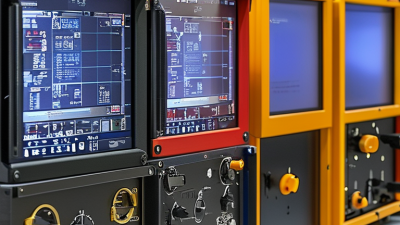
A reflow oven does more than heat a circuit board. Its zones shape the thermal profile that melts solder evenly and protects sensitive components. Preheat zones raise the board gradually, reducing thermal shock. Soak zones stabilize temperatures and activate the flux. Reflow zones then reach the solder’s melting range, while cooling zones control joint formation. For many lead-free assemblies, technicians often target a peak near 235–250°C, but the correct value depends on the solder paste and components.
In practical production, zone settings must match conveyor speed, board thickness, copper weight, and component density. A large ground plane may absorb heat slowly. Small parts can overheat first. I have seen profiles pass on an empty conveyor and fail with a loaded panel. That mistake is easy to make. Thermocouples should be attached to heavy pads, small components, and heat-sensitive areas. Profile testing reveals uneven heating that visual inspection can miss.
Tips: Start with the paste supplier’s profile range. Measure the actual board, not only the oven display. Adjust one zone at a time, then record the result. Keep airflow stable and clean residue from the chamber. A profile that works this week may need revision after a board redesign, and operators sometimes overlook that change.
China Best SMD Reflow Oven for Global Buyers?
Key Criteria for Choosing an Oven for Global Production
Choosing an SMD reflow oven for global production requires more than comparing prices. Start with board size, throughput, temperature zones, and compatible solder processes. A narrow conveyor may limit future product changes. Leave practical room for growth.
Thermal consistency matters on every panel. Ask for profiling records from several conveyor positions, not one convenient sample. Check whether the oven controls ramp rate, soak time, and peak temperature accurately. These details protect solder joints and sensitive components. Nitrogen capability can reduce oxidation, but it adds operating cost and maintenance. It is useful only when the process requires it.
Energy use deserves close attention. Insulated chambers, standby settings, and efficient heating controls can reduce daily consumption. Review voltage, frequency, exhaust requirements, and plug configurations for each destination. Safety documentation should be clear and traceable. Confirm applicable regional standards with qualified professionals before installation.
Service support can decide production stability. Request spare-parts lists, remote diagnostics, training, and realistic response times. A technically impressive oven is less valuable when a small sensor causes days of downtime. I have seen buyers focus heavily on initial cost and overlook calibration. That choice can become expensive. Ask for factory acceptance testing, installation guidance, and sample boards before final payment. Performance may change after shipping, and this risk deserves honest verification.
Check local electrical compatibility when evaluating an oven for production across multiple markets.
Nominal grid frequency is 50 Hz in China, Germany, India, and eastern Japan; 60 Hz in the United States, Brazil, and western Japan. Before purchase, confirm the oven’s rated voltage, phase, current, and frequency match the installation site. Japan uses both 50 Hz and 60 Hz, depending on region.
Values shown are nominal mains frequencies; verify local supply specifications before installation.
China Best SMD Reflow Oven for Global Buyers?
How to Evaluate Chinese Reflow Oven Manufacturers
Choosing a Chinese SMD reflow oven requires evidence, not polished brochures. Begin with the manufacturer’s factory records, engineering team, and quality procedures. Request registration details, audit documents, and production photos. Ask who designs the thermal system. A capable team should explain zone control, airflow, conveyor accuracy, and nitrogen options clearly. Vague answers deserve caution.
Send your actual PCB assemblies, solder paste, components, and target profile for testing. Require a recorded profile from preheat through cooling. Check peak temperature, soak time, uniformity, and conveyor speed. Use calibrated thermocouples with traceable records. The report should include instrument dates and operator names. Measure temperature near board edges, not only at the center. That detail can expose weak validation.
Inspect heaters, fans, insulation, stainless steel, and maintenance access during a factory visit or live video audit. Request safety documents and conformity records for your destination market. Confirm spare parts, remote diagnostics, training, manuals, and response times. Ask for references from factories using similar board sizes and production volumes. Review warranty exclusions carefully. Attractive prices can hide costly downtime. Some suppliers overpromise delivery or process capability. Treat this as a warning, not an accusation. A manufacturer that admits limitations may prove more dependable than one claiming perfection. Keep every promise documented.
China Best SMD Reflow Oven for Global Buyers?
Export performance depends on more than heating zones and conveyor width. UNCTAD’s Review of Maritime Transport 2024 states that ships carry over 80% of global merchandise trade by volume. Buyers should therefore request moisture protection, shock indicators, export packaging photos, and complete packing lists. Customs descriptions must match the machine, spare parts, and accessories. Small document errors can delay a container for days.
Installation quality affects solder consistency immediately. IPC-7530A recommends structured thermal profiling for process verification. Suppliers should provide factory acceptance test records, wiring diagrams, utility requirements, and a sample profile before shipment. Remote training should cover thermocouple placement, recipe editing, alarm handling, and safe maintenance. On-site commissioning is better for complex lines, but travel costs and local technical access need clear agreement. It gets expensive quickly.
After-sales support should be measurable. The World Bank’s Logistics Performance Index 2023 evaluates customs, infrastructure, shipment arrangement, logistics competence, tracking, and timeliness. These factors influence spare-part delivery and service response. Ask for a regional parts plan, remote diagnostic procedure, escalation contacts, and response-time targets. Heating elements, sensors, belts, and control components should have defined lead times. Field experience shows that generous promises can weaken after installation. Documentation matters. A practical contract should also define warranty exclusions, software access, training records, and acceptance criteria. Some buyers focus too heavily on the initial quotation. That gap hurts.
| Evaluation Area | What Buyers Should Check | Useful Evidence or Questions | Decision Consideration |
|---|---|---|---|
| Process capability | Confirm that the oven’s heating zones, conveyor configuration, and temperature controls suit the intended PCB assemblies and soldering process. | Request technical specifications, a sample temperature profile, and a demonstration or trial using representative boards where practical. | Compare performance against the production process requirements, not just the number of zones or headline specifications. |
| Electrical compatibility | Check the required supply voltage, frequency, phase, rated power, plug or connection type, and protective-device requirements. | Obtain the electrical drawings and installation requirements, then have a qualified local electrician verify compatibility with the site. | Confirm the machine can be safely connected to the destination facility’s power supply before shipment. |
| Export documentation | Agree which export and shipping documents will be provided and which documents are needed for the destination country. | Clarify responsibility for the commercial invoice, packing list, transport document, and any certificate of origin or other required paperwork. | Document requirements vary by destination and shipment; confirm them with the freight forwarder and relevant customs authorities. |
| Shipping and packaging | Review the shipping method, packing protection, shipment dimensions and weight, and handling requirements. | Request packing details, lifting points, handling instructions, and an agreed delivery term that clearly allocates costs and responsibilities. | Check that the route and packaging plan suit the machine’s size, transport conditions, and receiving facilities. |
| Import and delivery planning | Identify who arranges freight, cargo insurance, import clearance, duties, taxes, and delivery to the installation site. | Ask for a written quotation that states the delivery term, included services, exclusions, and the party responsible for each stage. | Do not assume that a quoted shipping price includes customs clearance, import charges, or final-site delivery. |
| Site preparation | Prepare sufficient floor space, access routes, utilities, and any required extraction or ventilation before the equipment arrives. | Use the supplier’s layout drawing and utility checklist; confirm doorway, aisle, floor-loading, and equipment-clearance requirements. | Site requirements depend on the specific oven configuration and local workplace and building rules. |
| Installation and commissioning | Define whether installation, leveling, connection, startup checks, and process commissioning are included. | Confirm the scope, schedule, travel costs, required customer support, and whether work will be performed on-site or remotely. | Make commissioning responsibilities and acceptance criteria clear in writing before placing the order. |
| Training and handover | Check whether operators and maintenance staff will receive instruction on safe operation, recipe setup, routine cleaning, and basic troubleshooting. | Ask for the training format, language, duration, manuals, and any operating or maintenance checklists supplied with the machine. | Plan training for the people who will operate and maintain the oven, including shift coverage where relevant. |
| Warranty terms | Review warranty duration, start date, covered parts and labor, exclusions, and the process for submitting a claim. | Request written warranty terms that explain shipping responsibility for replacement parts and how faults are assessed. | Warranty coverage and remedies are contract-specific; compare the written terms rather than relying on verbal assurances. |
| Spare parts and maintenance | Identify recommended spare parts, consumables, maintenance intervals, and the expected method for ordering replacements. | Request a parts list with part numbers, availability information, and instructions for routine maintenance. | Consider parts availability and shipping lead times when estimating production risk and ongoing operating costs. |
| Technical support | Confirm support channels, service hours, language availability, escalation process, and remote troubleshooting options. | Ask for written service contact details and agreed response targets; verify what information or diagnostic access may be needed. | Response times and service coverage should be agreed in the contract and checked against the buyer’s operating hours. |
| Acceptance and records | Agree how delivery, installation, safety checks, and process performance will be documented and accepted. | Set out the inspection checklist, required test records, sign-off process, and steps for resolving nonconformities. | Use measurable, mutually agreed acceptance criteria appropriate to the application and destination requirements. |
Requirements, export procedures, installation conditions, warranty coverage, and service availability vary by machine configuration, contract, and destination. Buyers should confirm applicable details with the supplier, freight forwarder, qualified installation personnel, and relevant local authorities.