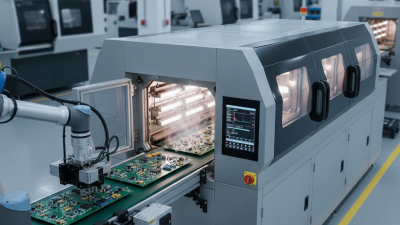
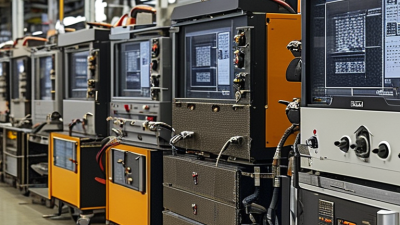
China Best Solder Reflow Oven Manufacturers?
Choosing the China Best Solder Reflow Oven Manufacturers requires more than comparing online prices or polished factory photographs. A reliable supplier should demonstrate stable heating performance, accurate temperature control, and practical production experience. During evaluation, buyers should examine thermal profiling results across the oven chamber. They should also check conveyor width, zone configuration, nitrogen capability, cooling design, and maximum board size. Small details matter. A weak cooling section can affect solder joint quality, especially on dense multilayer boards. An experienced manufacturer should explain these risks clearly, not hide them behind general claims.
This guide introduces important criteria for selecting a Solder Reflow Oven manufacturer in China. It considers engineering capability, quality systems, customization support, factory communication, and after-sales service. Buyers may request sample profiles, equipment videos, component lists, and references from comparable electronics projects. Factory audits can reveal whether testing is routine or performed only for demonstrations. Documentation should include installation procedures, maintenance schedules, electrical specifications, and warranty terms. Service response also deserves attention. A technically excellent oven becomes less valuable when spare parts arrive slowly. No ranking is permanently correct. Market conditions, product quality, and service teams can change. This article therefore avoids declaring one universal winner. Instead, it offers a practical framework for comparing manufacturers with evidence, careful questions, and realistic production requirements. Some conclusions may remain imperfect because supplier information is not always fully transparent. That limitation should be acknowledged before any purchasing decision.
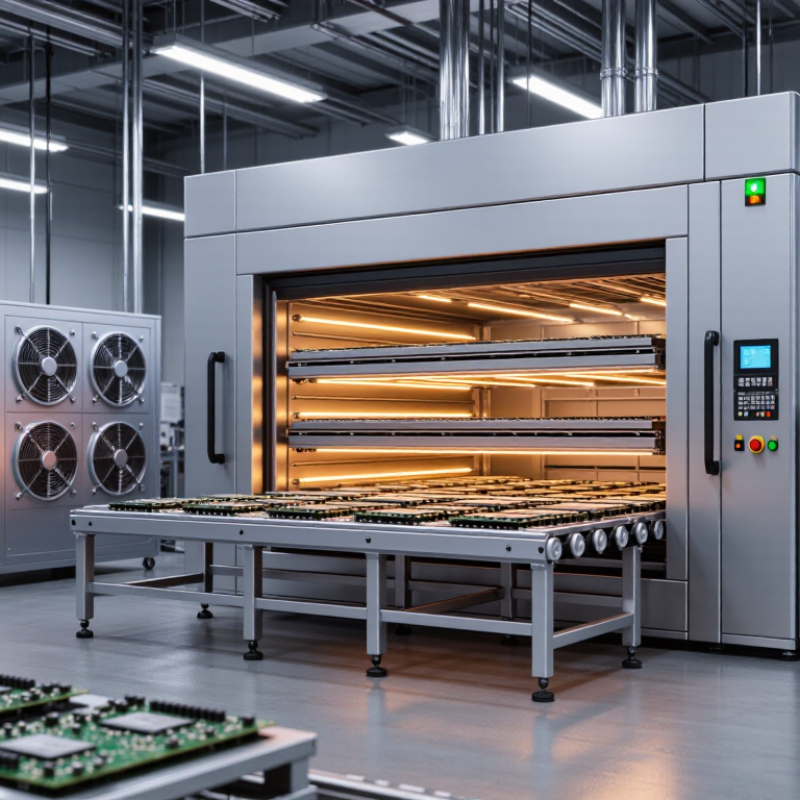
What Defines a High-Quality Solder Reflow Oven Manufacturer in China
A high-quality solder reflow oven manufacturer in China offers more than attractive pricing. In factory audits, engineers should inspect heating zones, conveyor stability, cooling control, and temperature uniformity. A reliable supplier can explain how its ovens manage lead-free solder profiles without vague promises. Ask for real test records, calibration procedures, and thermal profiling data from similar boards.
Tips:
Request a sample run with your own PCB assemblies. Check solder joints under magnification. Compare the programmed profile with the measured profile. Also inspect the oven interior, wiring, exhaust path, and emergency controls. Small details matter.
Strong manufacturers maintain traceable component records and documented quality inspections. They should provide clear manuals, spare-parts guidance, operator training, and responsive technical support. Experience becomes visible when engineers discuss common problems, such as uneven airflow, conveyor vibration, or unstable cooling temperatures. Do not judge quality from brochures alone. Visit the production area if possible. Speak with the process team, not only the sales representative. A factory may have impressive equipment yet weak after-sales discipline. That possibility deserves attention. Ask how defects are recorded and corrected. Their answers often reveal more than polished certifications.
Key Types of Solder Reflow Ovens and Their Manufacturing Features
China Best Solder Reflow Oven Manufacturers?
Key Types of Solder Reflow Ovens and Their Manufacturing Features
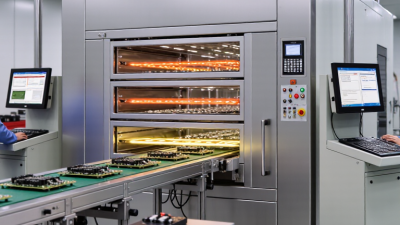
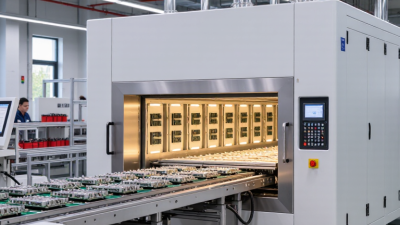
Selecting a solder reflow oven requires more than comparing heating zones. The oven type affects thermal control, throughput, maintenance, and solder joint consistency. Convection reflow ovens remain widely used for surface-mount production. Their manufacturing focus includes balanced airflow, insulated chambers, and independently controlled heating zones. Strong designs use calibrated thermocouples and stable conveyor systems. These details reduce temperature variation across populated boards.
Vapor phase ovens transfer heat through a boiling liquid. They offer uniform heating and help protect sensitive components from overheating. Manufacturers must control vapor pressure, chamber sealing, and condensation recovery. Infrared ovens heat components directly, which can reduce energy use. However, component color and shadowing may create uneven results. Hybrid systems combine infrared and convection heating for more flexible production profiles. They are useful when assemblies contain mixed component sizes.
Reliable manufacturers usually test thermal uniformity, conveyor accuracy, alarm response, and emergency shutdown functions. They should also provide profile measurement tools and practical maintenance guidance. A well-made oven should support lead-free solder temperatures without excessive oxidation. Air filtration and nitrogen options can improve process stability, but they also increase operating complexity. Not every factory needs them. That decision should follow board materials, daily output, and quality targets.
Some specifications look impressive on paper. Real production can disagree. A narrow conveyor or weak cooling section may become a hidden bottleneck. Buyers should request sample testing with actual boards. The best evaluation includes repeated runs, measured profiles, and documented deviations. Even experienced engineers may overlook cleaning access. That mistake becomes expensive over time.
How Chinese Reflow Oven Manufacturers Control Quality and Performance
Chinese reflow oven manufacturers control quality through repeatable engineering, documented testing, and disciplined production. A reliable factory begins with incoming inspection for heaters, fans, sensors, insulation, and control components. Technicians verify resistance values before assembly. They also test airflow across different chamber zones. This matters because uneven airflow can create dull solder joints or overheated components.
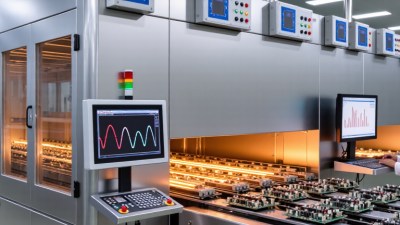
During factory audits, buyers should review calibration records, wiring checks, and thermal profiling results. Experienced manufacturers run empty-chamber tests and loaded production tests. They record temperature stability, conveyor speed, oxygen levels, and recovery time after door opening. Each oven should have traceable inspection records. Clear drawings and software settings also reduce operator mistakes. However, quality control is not always perfect. Sensor drift can appear after months of heating cycles. Some factories discover this only after customer feedback, which deserves honest attention rather than polished claims.
Tips:
Ask for a sample thermal profile using your actual board.
Check temperature variation at several points.
Request maintenance instructions and replacement-part information.
Visit the assembly line if possible.
Watch how technicians label wires and protect sensors.
A short trial run often reveals more than a confident sales presentation.
Factors for Comparing China’s Solder Reflow Oven Manufacturers
Comparing China’s solder reflow oven manufacturers requires more than checking heating-zone counts. A reliable review begins with the factory’s process experience. Ask how long its engineers have designed convection, nitrogen, or vapor-phase systems. Request test records for boards similar to yours. A six-layer assembly with heavy copper needs different heat behavior from a small LED board. Look for measured temperature profiles, not attractive catalog claims. Check whether the supplier can explain conveyor accuracy, zone balance, fan maintenance, and flux management in practical terms. Details matter.
Technical authority should appear in the documentation. Review electrical drawings, operating manuals, calibration procedures, and safety certifications for the target market. Confirm whether spare heaters, thermocouples, filters, and control components are available for several years. During a factory audit, inspect wiring, insulation, solder residue, and actual running machines. Ask operators about alarm history. Their answers may reveal more than a polished presentation. Reliability also depends on communication. Evaluate response times, profile support, installation training, and warranty terms in writing. A sample production run is valuable, but it cannot replace long-term service evidence. Compare energy use at the stated throughput, because an efficient oven on paper may consume more under real loading. Some suppliers may provide incomplete data. Verify it carefully. Leave room for doubt.
How to Select the Right Chinese Manufacturer for Your Production Needs
Selecting the best Chinese reflow oven manufacturer starts with your process, not the lowest quotation. Define board size, peak temperature, conveyor width, throughput, solder alloy, and nitrogen requirements. Ask for thermal uniformity results across a loaded board, not an empty chamber. IPC-7530 recommends profile verification under representative production conditions. That detail matters.
Factory capability needs evidence. The International Federation of Robotics reported 276,288 industrial robot installations in China during 2023, representing about 51% of global installations. This indicates strong automation capacity, but it does not prove soldering expertise. Request process records, calibration certificates, factory acceptance test procedures, and traceable component documentation. A video tour is useful. It is not an audit.
Logistics also deserve attention. China ranked 19th among 139 economies in the World Bank’s 2023 Logistics Performance Index, with a score of 3.7. Confirm packaging, spare-part availability, remote diagnostics, installation support, and response times before signing. Compare energy consumption at the same conveyor speed and temperature profile. A lower purchase price can hide higher electricity and maintenance costs. I have seen buyers overlook exhaust airflow and floor access. That mistake becomes expensive later. Test sample boards with your actual solder paste, component density, and copper balance. Require the supplier to explain defects, not merely promise zero defects. Their answer reveals more than a polished showroom.