China Top 10 Pick And Place SMD Machine Manufacturers?
China Top 10 Pick And Place Smd Machine Manufacturers?
China has become a major source of Pick And Place Smd machines for electronics factories worldwide. Its manufacturers now serve consumer electronics, automotive systems, medical devices, and industrial controls. However, choosing a machine requires more than comparing prices or placement speeds.
Michael Ford, an experienced SMT industry specialist, has stated, “The key to successful electronics manufacturing is controlling the process, not simply buying equipment.” This insight remains practical. A fast machine can still create defects when feeders, vision systems, software, or maintenance procedures are weak.
This guide examines ten leading Chinese manufacturers through measurable production factors. These include placement accuracy, component range, line compatibility, feeder stability, software integration, technical support, and long-term service. Real factory conditions matter. A machine placing tiny 0201 components may behave differently in a humid workshop or during a twelve-hour shift.
Speed looks impressive.
Reliability matters more.
The ranking is not absolute. Different factories need different solutions. A startup may value affordable setup and simple operation. An automotive supplier may require traceability, redundancy, and strict process control. Some manufacturers communicate clearly, while others leave buyers searching for technical answers. That gap deserves attention.
We will also consider user experience, installation quality, spare-part access, and training support. These details often decide whether equipment performs well after delivery. The evaluation may not be perfect, because published specifications cannot reveal every operating condition. Still, careful comparison can reduce costly mistakes and support a more informed investment in China’s Pick And Place Smd manufacturing market.
What Are Pick-and-Place SMD Machines?
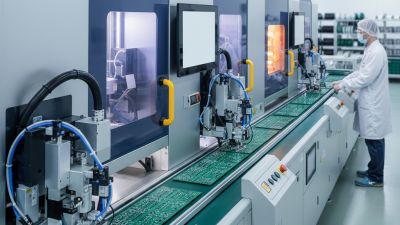
Pick-and-place SMD machines are automated systems used to place electronic components onto printed circuit boards. SMD means surface-mount device. These machines read programmed coordinates, collect components, and position them on solder paste with high speed and accuracy.
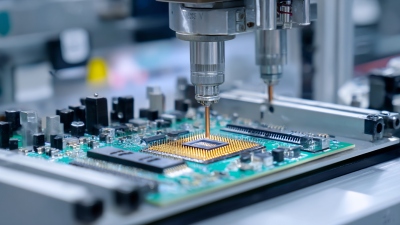
A typical machine uses feeders, nozzles, cameras, and a movable placement head. Feeders present components in a controlled sequence. Nozzles lift them through vacuum pressure. Vision cameras check their angle and position before placement. This process helps reduce manual errors and supports consistent production. Some machines handle tiny resistors, while others place larger connectors and integrated circuits.
When evaluating manufacturers in China, buyers should examine placement accuracy, machine stability, software usability, and local technical support. Production data matters more than impressive brochure numbers. Ask for placement tests using your actual components. No machine is perfect. Dust, warped boards, poor feeders, or incorrect settings can still cause defects. I have found that maintenance access is often overlooked during purchasing. A fast machine becomes frustrating when cleaning takes too long. Reliable manufacturers usually provide training, spare-part guidance, calibration procedures, and clear performance limits. These details deserve careful review before selecting equipment.
How to Evaluate Chinese SMD Machine Manufacturers
Choosing among China’s top ten pick-and-place SMD machine manufacturers requires more than comparing prices. Evaluate placement accuracy, machine speed, feeder stability, and vision calibration under real production conditions. Ask for test results using your actual components, including small-passive parts, fine-pitch ICs, and odd-shaped packages. A polished demonstration may hide weaknesses.
Review the manufacturer’s factory, engineering team, and quality records. Check whether critical parts are traceable and whether software updates are documented. Request references from factories with similar board complexity and monthly output. Reliable suppliers provide installation, operator training, spare-parts planning, and remote troubleshooting. Confirm response times in writing. A low purchase price can create expensive downtime later. I have also learned that a factory audit cannot predict every service problem.
Tips: Compare total ownership cost, not only the quotation. Measure changeover time, feeder repeatability, and first-pass yield. Ask for a written acceptance test. Keep a small sample board for evaluation. Do not trust speed claims without production data. Sometimes, a slower machine performs better because it stops less often. Check manuals carefully. Translation errors can cause avoidable mistakes during maintenance. Review warranty exclusions, payment milestones, delivery terms, and technician availability before signing. A second technical opinion is useful, even when the supplier appears professional.
China’s Top 10 Pick-and-Place SMD Machine Manufacturers
China’s Top 10 Pick-and-Place SMD Machine Manufacturers are gaining attention from electronics factories worldwide. Their machines support LED boards, consumer devices, automotive modules, and industrial controls. However, a “top ten” list should not rely on advertising claims alone.
A reliable evaluation starts with factory experience and application data. Check placement accuracy, feeder stability, nozzle options, and actual throughput under mixed-component production. A machine may claim 80,000 placements per hour, yet deliver less when boards contain fine-pitch ICs and large connectors.
Ask for a live demonstration using your own PCB files. Observe alignment, changeover time, and rejected components. Small details matter.
Service quality often separates strong manufacturers from average suppliers. Look for documented calibration procedures, remote diagnostics, spare-part availability, and trained engineers. ISO-based quality systems can support reliability, but certificates cannot replace production evidence.
Review installation records and speak with existing users when possible. I would also inspect software usability, because a fast machine becomes frustrating when programming takes hours.
No ranking is permanent. New models appear, support networks change, and some specifications need careful verification. A thoughtful comparison of China’s top ten manufacturers should balance price, precision, maintenance, training, and long-term production needs.
Key Differences Among the Leading Manufacturers
China’s top ten pick-and-place SMD machine manufacturers differ less by advertising and more by production evidence. Research and Markets estimated the global SMT equipment market at over US$5 billion in 2023. That scale raises buyer expectations. A serious manufacturer should show placement accuracy, feeder stability, software updates, and verified factory results.
The largest difference is often production speed. Some platforms exceed 100,000 components per hour under specific test conditions. Real factories usually achieve less. Product mix, component size, board changes, and inspection requirements reduce the headline figure. IPC’s 2024 electronics industry survey highlighted continuing pressure on manufacturers to improve efficiency and supply-chain resilience. Therefore, buyers should compare verified UPH, not brochure speed.
Service capability separates mature suppliers from weaker ones. Useful indicators include local engineers, spare-parts response time, training hours, and remote diagnostics. A machine may reach 30-micron placement accuracy, yet poor calibration can quickly weaken that result. Energy consumption also matters. The U.S. Department of Energy reports that industrial motor systems can represent a major share of factory electricity use, making efficient motion control financially relevant.
Price is not the whole decision. A lower purchase cost may hide feeder maintenance, software limitations, or longer downtime. I would request a sample run using the buyer’s actual boards. That test exposes uncomfortable gaps. Some published specifications still need careful questioning. Reliability is proven on the production floor, not inside a sales presentation.
How to Choose the Right Manufacturer for Your Production Needs
China Top 10 Pick and Place SMD Machine Manufacturers: How to Choose the Right Manufacturer for Your Production Needs
China’s SMD machine market offers many capable manufacturers, but rankings alone cannot match your factory’s reality. SEMI reported global semiconductor manufacturing equipment sales of 106.3 billion US dollars in 2023. This investment increases automation pressure across electronics production. However, a high-speed machine may underperform on small batches, mixed components, or frequent product changes.
Start with your actual production profile. Record boards per hour, component range, placement accuracy, feeder quantity, and changeover time. Ask manufacturers for measured data, including Cpk, mean time between failures, and feeder error rates. Test your own boards before signing. Brochure speed is not production speed. IPC-9850 provides a useful framework for evaluating placement equipment performance, but practical trials remain essential.
Service capability deserves equal attention.
Check spare-parts availability, remote diagnostic response, technician coverage, and software training. A machine can lose money during one silent weekend. Request references from factories with similar board sizes and product volumes. Review total ownership costs, including consumables, maintenance, energy use, and operator training. I would not trust a “top ten” label blindly. Some suppliers publish limited downtime data, and that weakness matters. Leave room for revision after a factory acceptance test. A careful manufacturer should welcome that process.