Top 10 Smt Placement Equipment for Efficient Production?
In the fast-evolving world of electronics manufacturing, efficient production is vital. The role of SMT placement equipment cannot be overstated. According to a recent market report by Industry Research, the global SMT equipment market is expected to reach $5.8 billion by 2027, driven by the demand for high-precision assembly in electronic devices. This highlights the importance of selecting the right SMT placement equipment.
Choosing the best equipment is essential for optimizing production efficiency. With more than 45% of operational costs linked to assembly processes, investing in quality SMT placement machines can significantly reduce costs. However, many manufacturers face challenges in technology integration and process optimization. A lack of understanding of machine capabilities can lead to underutilization and inefficiencies.
Exploring the top 10 SMT placement equipment options reveals the variety available. Each option has unique features and capabilities, from speed to precision. However, selecting the right equipment requires careful consideration of production needs and goals. The wrong choice can hinder production and impact overall output. As technology continues to advance, manufacturers must evaluate their equipment to stay competitive.
Understanding SMT Placement Equipment: A Comprehensive Overview
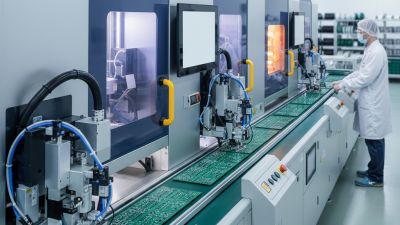
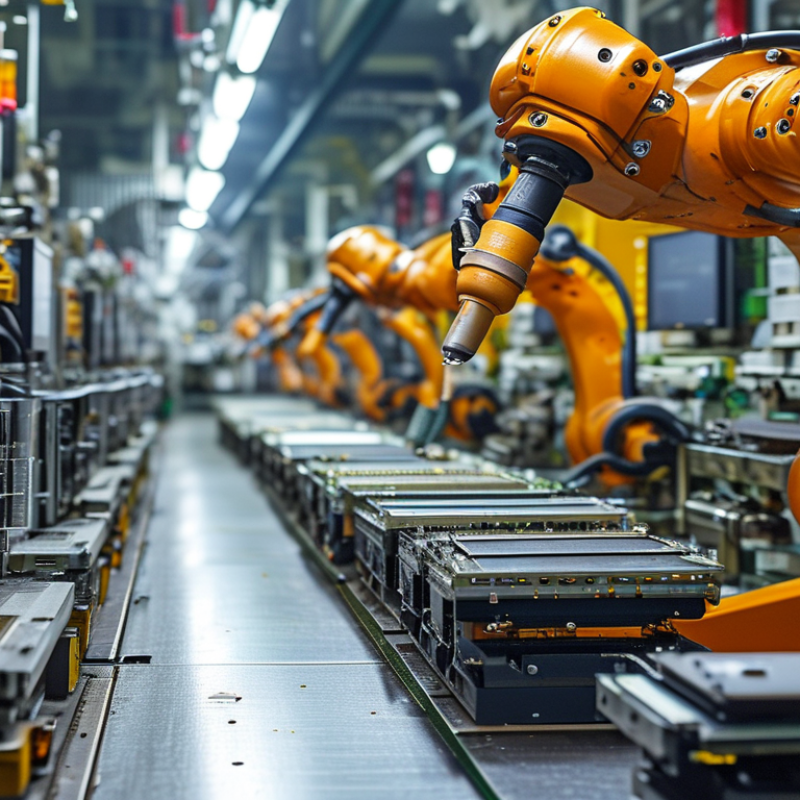
SMT placement equipment plays a pivotal role in modern electronics manufacturing. It ensures precision and efficiency in placing components on printed circuit boards (PCBs). This equipment has seen significant advancements, making it more reliable and effective. Understanding these machines can help businesses improve production quality and reduce costs.
When exploring SMT placement options, key factors come into play. Speed and accuracy are vital for high-volume production. The size of components being handled also matters. Many machines can accommodate a variety of components but not all are versatile. Productivity may be sacrificed for flexibility. A balance is essential for successful operations.
Frequent updates in technology drive the need for continuous training and adaptation. Staff must stay informed about new features and best practices. This can be challenging, as not all operators maintain the same skill level. Regular evaluations can help identify gaps and spark progress. Investing in training leads to fewer mistakes and better overall output, reflecting the need for ongoing learning in the industry.
Top 10 SMT Placement Equipment for Efficient Production
| Rank |
Equipment Model |
Placement Speed (ppm) |
Max PCB Size (mm) |
Features |
| 1 |
Model A |
15000 |
600 x 600 |
High accuracy, flexible feeder options |
| 2 |
Model B |
12000 |
800 x 600 |
Automatic alignment, multi-layer placement |
| 3 |
Model C |
14000 |
500 x 500 |
Compact design, high-speed operation |
| 4 |
Model D |
11000 |
750 x 750 |
Versatile for different component types |
| 5 |
Model E |
18000 |
1000 x 700 |
Smart adjustment, high-performance camera |
| 6 |
Model F |
13000 |
600 x 600 |
User-friendly interface, reliable operation |
| 7 |
Model G |
11500 |
500 x 500 |
Low maintenance, high durability |
| 8 |
Model H |
16000 |
900 x 900 |
Advanced software, real-time monitoring |
| 9 |
Model I |
12500 |
750 x 600 |
High efficiency, customizable settings |
| 10 |
Model J |
10000 |
800 x 800 |
Energy efficient, reliable customer support |
Key Features to Consider in SMT Placement Machines
When selecting SMT placement equipment, several key features stand out. Efficiency in production hinges on speed and precision. Look for machines with high placement rates to meet production demands. A good machine should handle various component sizes and types. Versatility enhances workflow, allowing for smoother transitions between different projects.
It's essential to consider software capabilities. User-friendly interfaces and advanced programming options streamline operation. Some machines offer real-time monitoring, which can prevent errors and reduce downtime. Evaluate the support and training provided by the manufacturer, as this influences long-term productivity and reliability.
Addressing maintenance is also critical. Users often overlook regular upkeep, yet it is vital for equipment longevity. Scheduled maintenance should be part of your operational plan. It's common for machines to underperform without proper care. Reflect on your production needs and align them with machine specifications. This will foster a more efficient environment.
Top 10 SMT Placement Equipment for Enhanced Production Efficiency
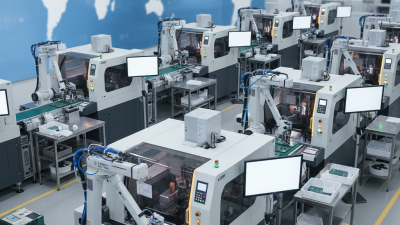
Efficient production in the electronics sector heavily relies on advanced SMT placement equipment. These machines are critical for achieving precision and speed in assembling electronic components. An increase in production efficiency reduces costs and shortens lead times. It's vital to choose high-quality equipment to optimize the assembly line.
When considering SMT placement equipment, one must factor in both speed and accuracy. High-speed machines will drastically improve output but can sometimes compromise on placement precision. Evaluating these trade-offs is essential. Often, the initial investment may seem high, but the long-term savings from reduced waste and increased output typically justify the cost.
Moreover, training staff to effectively operate this equipment is paramount. Even the best machines underperform without skilled operators. Regular maintenance and updates of the equipment can also enhance overall efficiency. It's a continuous cycle of improvement that demands attention and adaptation to new technologies. Balancing these elements can lead to a more robust and efficient production process.
Comparative Analysis of Leading SMT Placement Systems
In the realm of Surface Mount Technology (SMT), efficient placement equipment plays a crucial role. The analysis of leading SMT placement systems reveals significant variations in performance, features, and adaptability. For example, some systems excel in speed and accuracy, while others prioritize flexibility for various component sizes. Identifying the right balance can be challenging, especially with constantly evolving technology.
Several key factors influence the effectiveness of SMT placement equipment. Precision is paramount, yet the integration of automation can create unexpected complexities. Some machines may produce impressive placement rates but struggle with fine-pitch components. On the other hand, versatility can sometimes lead to compromises in speed or precision. Understanding these nuances can inform better investments in SMT technology.
While many systems tout high efficiency, ongoing refinement and calibration are essential. No equipment is without its limitations. Frequent adjustments may be necessary to maintain optimal operation. A careful evaluation of both successes and challenges faced by manufacturers aids in the selection process. With thoughtful analysis, companies can enhance their production capabilities and ensure long-term reliability in their operations.
Future Trends in SMT Placement Technology and Equipment
The future of SMT placement technology is bold and innovative. As industry needs evolve, new trends emerge in efficiency and automation. High-speed machines are increasingly adopting advanced AI algorithms. These smart systems optimize placement accuracy and adapt to product variations. They significantly reduce downtime and enhance productivity.
Technological integration is crucial in this evolution. Robotics is becoming more prevalent in SMT equipment, facilitating faster, more precise operations. However, the reliance on automation raises concerns about job displacement. A balance between technology and human expertise is essential in training and operation. Manufacturers must weigh the benefits against potential workforce impacts, striving for harmony in their facilities.
Eco-friendly practices are gaining attention too. Many factories are looking to minimize waste and energy consumption. While this shift is commendable, companies face challenges in implementing sustainable practices effectively. They must explore solutions that align with both efficiency goals and environmental responsibility. The ongoing shift in SMT placement technology presents opportunities and challenges, paving the way for a more efficient future.