inquiry
Leave Your Message

What Is the Best SMT Machine from China?

Choosing the best Smt Machine from China is not simply a race for the highest placement speed. A fast machine can still create costly stoppages when feeders drift, software crashes, or spare parts arrive late. The right choice depends on your PCB design, production volume, component mix, and technical support needs. That sounds obvious. Yet buyers often overlook it.

This guide examines Chinese SMT equipment through practical criteria, including placement accuracy, repeatability, feeder stability, changeover time, and software usability. Maintenance access also matters. The analysis considers solder paste printing, inspection, reflow integration, and line balancing. One machine rarely determines the entire production result. Verified specifications matter, but factory acceptance tests matter more. Ask for sample boards, measured yield data, calibration records, and clear warranty terms. A supervised production trial can reveal details that brochures hide.

A reliable Smt Machine should fit your workflow, not merely impress during a demonstration. Supplier experience, engineer training, remote diagnostics, and local service coverage can protect production after installation. Certification and documented safety procedures should match your destination market. No supplier is perfect. Some affordable models may offer strong value but weaker software polish or slower support. That weakness deserves attention. The goal is a balanced decision based on evidence, total ownership cost, and realistic production targets. This comparison will help identify which Chinese Smt Machine deserves serious consideration.
What Is the Best SMT Machine from China?

What an SMT Machine Does and Why China Is a Major Source

What Is the Best SMT Machine from China?

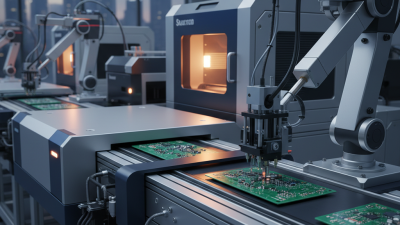
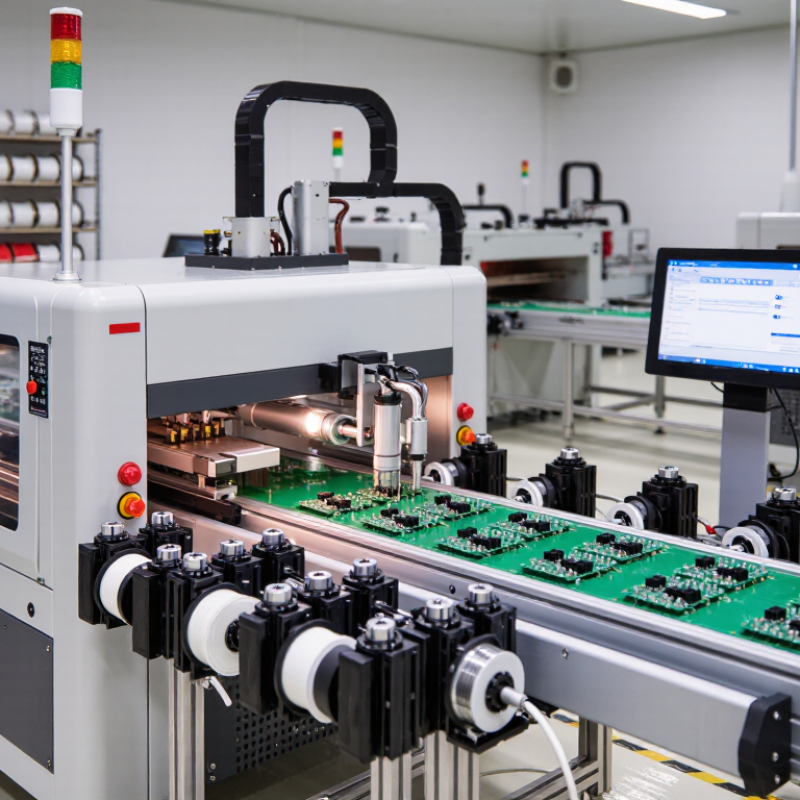
An SMT machine places electronic components onto printed circuit boards with high speed and repeatable accuracy. It works with solder paste printers, component feeders, inspection systems, and reflow ovens. A typical line may position tiny 0201 resistors beside larger connectors, often within the same production cycle. The machine reads board coordinates, identifies component shapes, and adjusts placement through cameras and software. A stable feeder matters as much as headline placement speed.

China is a major source because it has a deep electronics manufacturing network. Component suppliers, machine builders, software engineers, and maintenance teams often operate within the same industrial regions. This shortens communication and supports practical customization. Buyers can request different feeder counts, board sizes, production speeds, or inspection functions. Local supply chains may also reduce delivery time for spare parts and technical support.

The “best” machine depends on the board, output target, and operator skill. A high-speed model can be unsuitable for frequent product changes. A lower-cost machine may create hidden expenses through calibration delays or weak documentation. Check placement accuracy, feeder design, software language, warranty terms, and remote support before comparing prices. Ask for a sample run using your actual components. Speed looks impressive on paper. It is not the whole result. A machine that runs quietly for several shifts, records errors clearly, and allows simple maintenance may deliver more value than a faster system that operators struggle to control.
Which Types of SMT Machines Are Available from Chinese Manufacturers

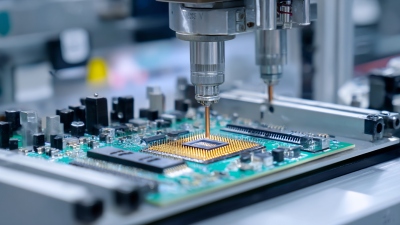
Chinese manufacturers offer several SMT machine types for different production stages and factory sizes. Pick-and-place machines position components onto solder-pasted boards. High-speed models suit large batches, while flexible models handle mixed components and frequent changeovers. Some lines use both.

Stencil printers apply solder paste through a metal stencil. Printing accuracy affects every later process. Reflow ovens then heat the board through controlled temperature zones.

A practical setup may also include solder paste inspection, automated optical inspection, and PCB conveyors. Dispensers add glue or solder paste when a product needs special support. Component feeders, magazine loaders, and board unloaders complete the material flow.

Machine selection should match output, component range, board size, and available technicians. A supplier with clear manuals, spare-part support, training, and factory testing is more reliable than one offering only a low price. Ask for sample-board trials. Check placement accuracy, changeover time, software access, and maintenance records. These details matter.

Specifications can look impressive. They can also hide difficult calibration work. A small factory may prefer a slower machine with simpler maintenance.

A contract manufacturer may need modular equipment for many board designs. Local service coverage, electrical compatibility, and genuine documentation deserve equal attention. Even experienced buyers sometimes underestimate feeder setup time. That mistake can quietly reduce daily output.

How to Compare Placement Speed, Accuracy, and Production Capacity

When comparing the best SMT machine from China, do not trust the headline placement rate alone. A quoted 80,000 components per hour may assume tiny parts, short travel distances, and perfect feeder loading. In a real line, mixed packages, connector placement, and frequent board changes reduce output. Ask for a timed trial using your Gerber files and actual components. Record placements per hour, changeover minutes, stoppages, and first-pass yield. Keep the data.

Accuracy deserves equal attention. Check the machine’s stated placement tolerance, vision system, calibration routine, and performance on fine-pitch components. A machine may place 0201 parts well but struggle with tall connectors or warped boards. Request inspection results from several consecutive panels, not one successful sample. I once compared two lines using only their brochures; the faster machine produced more correction work. That comparison was incomplete.

Production capacity includes more than speed. Review feeder capacity, board size range, software traceability, maintenance access, spare-part availability, and operator training. Calculate capacity from actual cycle time, changeovers, planned maintenance, and reject rates. Leave room for product variation and seasonal demand. A machine running at 70 percent of its limit may be more dependable than one pushed continuously. Ask how quickly technicians respond, and verify the answer with customer references. Numbers matter, but factory evidence matters more.

What Is the Best SMT Machine from China? - How to Compare Placement Speed, Accuracy, and Production Capacity
Machine Class Typical Placement Speed Placement Accuracy Typical Feeder Capacity Recommended PCB Size Component Range Practical Production Capacity Best Application
High-Speed Chip Shooter 45,000–80,000 CPH ±25–40 μm
at 3σ, depending on component and board conditions
80–120 tape-feeder positions Typically up to 460 × 400 mm Small passive components and standard IC packages 35,000–65,000 CPH in a balanced line High-volume consumer electronics, telecommunications, and power-supply boards
Modular High-Speed Mounter 30,000–60,000 CPH ±30–50 μm
at 3σ
60–120 feeder positions per module Typically up to 510 × 460 mm Chip components, SOIC, QFP, small connectors, and selected odd-shaped parts 25,000–50,000 CPH in a balanced line Medium- to high-volume production requiring line scalability
Flexible Placement Machine 15,000–35,000 CPH ±30–50 μm
at 3σ
40–80 feeder positions Typically up to 500 × 460 mm 0201 metric components through QFP, BGA, connectors, and mixed-size components 10,000–28,000 CPH in actual production Frequent changeovers, prototype work, and mixed-product manufacturing
LED and Long-Board Mounter 25,000–60,000 CPH ±30–50 μm
at 3σ
40–100 feeder positions Long boards up to approximately 1,200–1,500 mm, depending on configuration LED packages, chip resistors, capacitors, and selected large components 20,000–50,000 CPH in stable production LED lighting, signage, automotive lighting, and long-board assemblies
High-Accuracy Multifunction Mounter 10,000–25,000 CPH ±20–35 μm
at 3σ, with suitable tooling and inspection
30–80 feeder positions Typically up to 600 × 500 mm Fine-pitch QFP, BGA, connectors, odd-form parts, and larger components 8,000–20,000 CPH in actual production Automotive electronics, industrial controls, medical devices, and high-mix assemblies
Compact Entry-Level Mounter 8,000–20,000 CPH ±40–70 μm
at 3σ
20–60 feeder positions Typically up to 350 × 250 mm Standard 0603–4020 metric components, SOIC, and selected QFP packages 5,000–15,000 CPH in actual production Small factories, education, repair production, and low-volume orders
Comparison note: CPH means components per hour. Advertised speed is normally a theoretical maximum; actual output is reduced by component mix, feeder changes, board complexity, placement distance, machine utilization, inspection, and line balancing. Accuracy figures should be compared using the same measurement standard, commonly reported at 3σ under defined production conditions.
Selection guide: Choose the high-speed chip-shooter class for maximum volume, the flexible or multifunction class for mixed products and difficult components, and a modular configuration when future capacity expansion is important. The best machine is the one that meets the required UPH, accuracy, component range, changeover time, and total cost of ownership together.

How Software, Feeders, and Technical Support Affect Machine Selection

What Is the Best SMT Machine from China?

Choosing an SMT machine from China requires more than comparing placement speed. Software, feeders, and technical support often decide whether production stays stable. In a real factory, operators need clear menus, quick program changes, and reliable error messages. A machine that runs fast but confuses new staff can create costly pauses. Software should support accurate component libraries, production tracking, and simple maintenance records.

Feeders deserve close attention. They control how smoothly components reach the placement head. I have seen small feeder errors cause repeated stoppages during a busy shift. Check feeder accuracy, loading time, spare-part availability, and compatibility with common component packages. No feeder system is perfect. However, consistent feeding matters more than impressive figures on a brochure. Trial runs with your actual components reveal problems that specifications may hide.

Technical support is equally important, especially for overseas buyers. Ask how quickly engineers respond, whether remote diagnosis is available, and how training is delivered. Practical video guidance can save hours when a sensor or feeder needs adjustment. Spare parts should also have clear delivery timelines. I once underestimated this issue, and a simple replacement delayed testing for several days. That experience changed my selection process. I now request a written support plan, operator training details, and sample production data before making a decision.

How to Choose the Best Chinese SMT Machine for Your Factory

Choosing the best Chinese SMT machine starts with your factory’s real production profile, not a catalogue speed figure. Record board dimensions, component sizes, daily volume, changeover frequency, and required placement accuracy. A machine rated at 60,000 components per hour may perform poorly with frequent feeder changes. Check actual output using your products.

China’s automation capacity is substantial. The International Federation of Robotics reported 276,288 industrial robot installations in China during 2023, representing about 51% of global installations. This supports a strong manufacturing ecosystem, but it does not make every SMT machine suitable for your line. Ask for placement accuracy tests, sample boards, feeder specifications, nozzle availability, and verified uptime data.

Look for software supporting traceability, barcode control, line balancing, and standard communication protocols such as IPC-HERMES-9852. Confirm compatibility with your printer, inspection equipment, and reflow oven. IPC industry reports continue to identify labor pressure and supply uncertainty as major electronics manufacturing concerns, so remote diagnostics and local technical support deserve serious attention. A cheaper machine can become expensive after repeated stoppages. That risk is easy to underestimate.

Check service response times in writing. Review spare-parts stock and training arrangements. If possible, visit a working installation with similar products. I would not judge quality from one successful demonstration. Ask for twelve-month production records, even if the answer feels uncomfortable. Reliability matters more than impressive showroom speed.

How to Choose the Best Chinese SMT Machine for Your Factory

This chart presents a practical procurement weighting model for comparing SMT machines without using company or brand data. Placement accuracy and throughput are prioritized because they directly affect product quality and production capacity. Feeder flexibility, changeover time, uptime, serviceability, and total cost of ownership are also important for stable long-term operation.